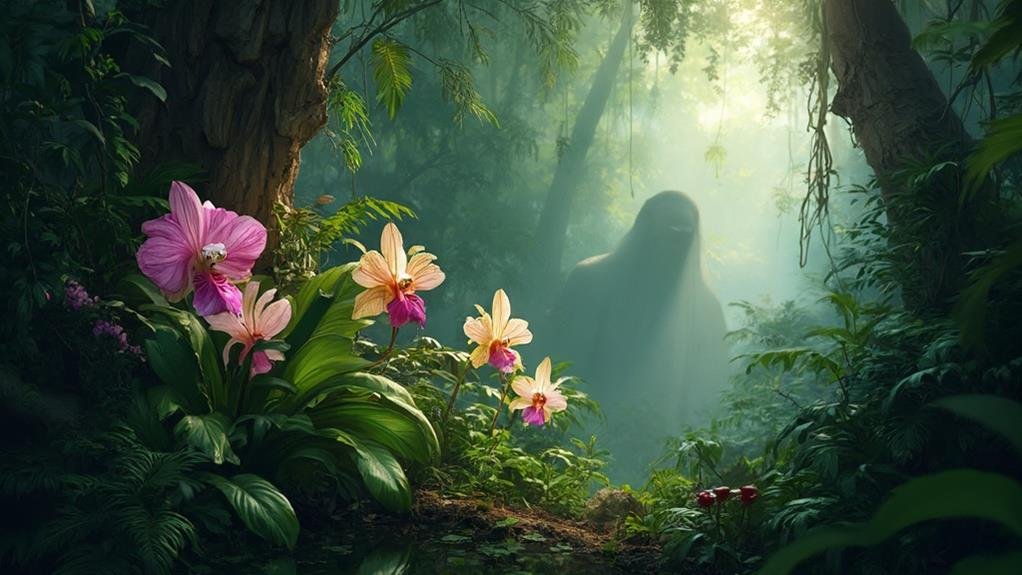

As we move into 2024, innovative research in orchid conservation is shaping up to be a pivotal trend.
But, did you know that community engagement and technology advancements are also playing crucial roles in the efforts to protect these delicate species?
Sustainable practices and global collaboration further enhance the landscape of orchid conservation.
Stay tuned to discover how these trends are revolutionizing the conservation efforts for orchids worldwide.
Innovative Research in Orchid Conservation
Exploring cutting-edge methods for preserving rare orchid species is crucial in the current landscape of conservation efforts. Scientists like yourself are at the forefront of innovative research, constantly seeking new ways to protect these delicate flowers. One exciting approach gaining traction is the use of cryopreservation techniques. By freezing orchid tissues at ultra-low temperatures, researchers are able to store genetic material for future regeneration, safeguarding against extinction.
Additionally, your work in harnessing the power of biotechnology to enhance orchid conservation is groundbreaking. Through tissue culture methods, you can propagate orchids in a lab setting, allowing for mass production of rare species that would otherwise struggle to survive in the wild. This not only aids in species preservation but also provides a sustainable solution for reintroducing orchids into their natural habitats.
Your dedication to pushing the boundaries of traditional conservation methods is essential for ensuring the survival of these exquisite orchid species for generations to come. Keep up the fantastic work!
Community Engagement for Orchid Protection
As you engage with local communities, fostering their involvement in orchid protection efforts becomes a collaborative and impactful endeavor. By involving community members, you can raise awareness about the importance of orchid conservation and create a sense of ownership and responsibility towards protecting these delicate species. Encouraging community participation through educational programs, workshops, and hands-on conservation activities can empower individuals to become stewards of their local orchid populations.
Engagement with communities also opens the door for valuable local knowledge and expertise. Residents often have insights into orchid habitats, blooming seasons, and threats faced by these plants that can enhance conservation strategies. By working together with communities, you can develop effective protection plans tailored to specific orchid species and their environments.
Moreover, community engagement fosters a sense of pride and connection to local biodiversity, fostering a long-term commitment to orchid conservation. Building strong relationships with communities can lead to sustainable conservation efforts that benefit both the orchids and the people who share their habitats.

Technology Advancements in Orchid Preservation
Technology advancements have revolutionized orchid preservation methods, enhancing efficiency and precision in conservation efforts. One notable innovation is the use of drones for monitoring orchid populations in hard-to-reach areas. Drones equipped with high-resolution cameras can quickly survey large areas, providing valuable data on orchid distribution and abundance without disturbing the delicate ecosystems. Additionally, genetic technologies like DNA barcoding are being employed to accurately identify orchid species, aiding in targeted conservation strategies. These methods help conservationists make informed decisions on which species need protection the most.
Another significant advancement is the development of specialized software for modeling orchid habitats and predicting potential threats. This software uses complex algorithms to analyze environmental factors and predict how orchid populations may respond to changes in climate or land use. By understanding these dynamics, conservationists can proactively implement measures to safeguard orchid species before they become critically endangered.
Sustainable Practices for Orchid Conservation
Advancing beyond technological innovations, implementing sustainable practices is key to ensuring the long-term conservation of orchid species. By integrating sustainable practices into orchid conservation efforts, you can help protect these delicate plants for future generations. One crucial sustainable practice is habitat preservation, as orchids rely on specific environments to thrive. By conserving these habitats, you can safeguard the orchids that call them home.
Another important aspect of sustainable orchid conservation is responsible harvesting. If you enjoy orchid collecting, make sure to only purchase plants from reputable sources that ethically source their specimens. Illegal harvesting poses a significant threat to wild orchid populations, so being mindful of where your orchids come from can make a big difference.
Additionally, supporting organizations and initiatives that promote sustainable orchid conservation is a proactive way to contribute to the cause. By backing projects that focus on habitat restoration, species reintroduction, and community education, you can play a part in preserving orchid species for years to come. Your commitment to sustainable practices is vital in protecting these beautiful plants from the threats they face in the wild.
Global Collaboration for Orchid Conservation
To enhance the effectiveness of orchid conservation efforts, global collaboration among organizations and individuals is essential. By working together on a global scale, conservationists can share knowledge, resources, and best practices to protect orchid species facing endangerment. Collaborative efforts allow for the pooling of expertise in areas such as habitat restoration, seed banking, and sustainable harvesting practices. Through partnerships between botanical gardens, research institutions, governmental agencies, and non-profit organizations worldwide, a more coordinated and impactful approach to orchid conservation can be achieved.
Global collaboration also facilitates the exchange of information on orchid species distribution, population trends, and conservation priorities across different regions. This shared data helps identify areas where conservation actions are most urgently needed and enables the development of targeted conservation strategies. Furthermore, international partnerships can lead to increased funding opportunities for conservation projects and foster a sense of shared responsibility for protecting orchid species and their habitats. By working together globally, we can ensure a brighter future for orchids and contribute to the preservation of biodiversity for generations to come.
Frequently Asked Questions
What Are the Most Common Threats to Orchid Species That Are Not Addressed in Current Conservation Efforts?
You need to focus on the main threats to orchid species currently overlooked in conservation efforts. Climate change, habitat loss, and illegal trade are often addressed, but issues like invasive species, pollution, and overcollection aren't getting enough attention.
These factors can severely impact orchid populations and need to be included in conservation strategies to ensure the long-term survival of these delicate plants.
How Do Climate Change and Habitat Loss Specifically Impact Orchid Species Conservation?
Climate change and habitat loss have a direct impact on orchid species conservation efforts. Changing temperatures and altered habitats can disrupt the delicate balance these plants need to survive.
Orchids are highly sensitive to their environments, and any significant shifts can lead to decline or extinction of certain species. Addressing climate change and habitat loss is crucial in ensuring the long-term survival of orchids and preserving their biodiversity.
Are There Any Unique Challenges Associated With Conserving Orchids in Urban Environments?
In urban environments, conserving orchids poses unique challenges. Pollution, habitat fragmentation, and competition with invasive species can threaten their survival.
Urban development often leads to loss of natural habitats where orchids thrive. Conservation efforts in cities require innovative strategies to create suitable environments for these delicate plants.
Community involvement and green infrastructure initiatives play crucial roles in protecting orchids amidst the urban landscape.
How Do Traditional Indigenous Knowledge and Practices Contribute to Orchid Conservation Efforts?
Traditional indigenous knowledge and practices play a vital role in orchid conservation efforts. You'll find that these practices often incorporate sustainable methods of cultivation and protection of orchid species.
By respecting and learning from indigenous communities' deep understanding of the land and its biodiversity, conservationists can enhance their efforts to preserve orchids for future generations.
This collaboration fosters a holistic approach to conservation that benefits both the orchids and the communities involved.
What Role Do Botanical Gardens Play in the Conservation of Orchid Species, and How Do They Collaborate With Other Organizations in This Effort?
Botanical gardens serve as crucial hubs for orchid conservation, offering expertise in cultivation and preservation. They collaborate with various organizations to exchange knowledge, resources, and best practices.
Conclusion
As we look ahead to 2024, it's clear that innovative research, community engagement, technology advancements, sustainable practices, and global collaboration will continue to drive orchid conservation efforts.
By working together and utilizing the latest tools and strategies, we can make a real difference in preserving these beautiful and important plant species for future generations to enjoy.
Let's keep up the momentum and continue to protect and conserve orchids around the world.