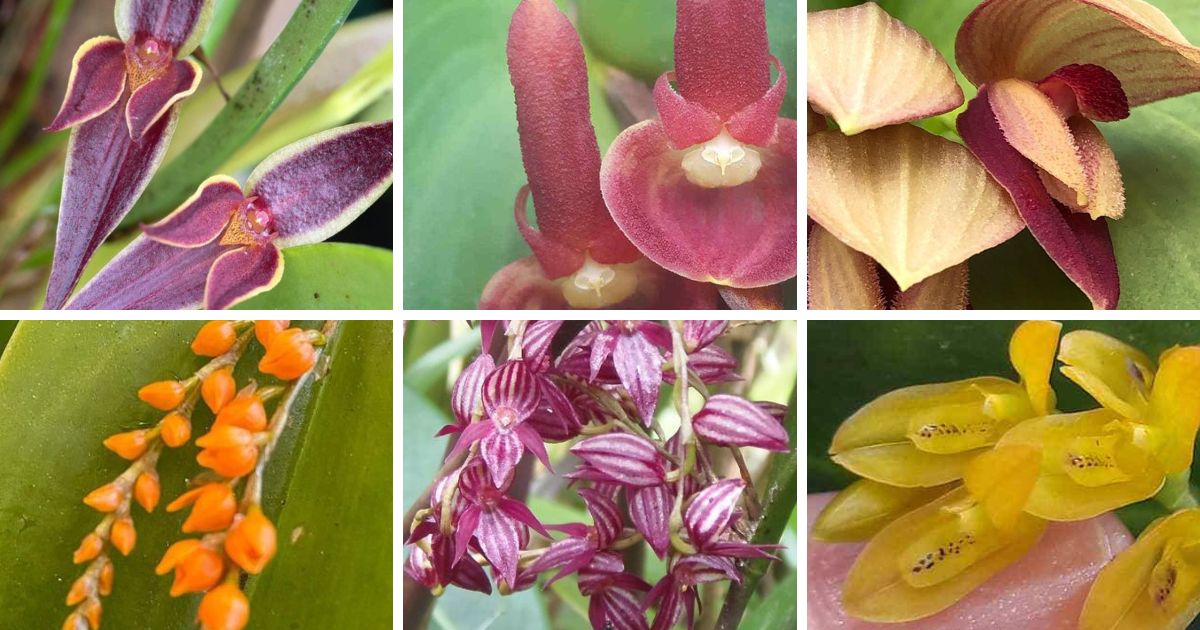


Masdevallia orchids are a diverse and fascinating group of orchids that are known for their unique and intricate blooms. There are over 500 species in the Masdevallia genus, with each type having its own distinctive features and characteristics.
In this article, we will be discussing the 10 Popular Types Of Masdevallia Orchid Pictorial Guide:
- Masdevallia Veitchiana
- Masdevallia Orchids
- Masdevallia Coccinea
- Masdevallia Garciae
- Masdevallia Decumana
- Masdevallia Ignea
- Masdevallia Herradurae
- Masdevallia Tovarensis
- Masdevallia Nidifica
- Masdevallia Glandulosa
- Growing And Caring For Masdevallia Orchids
- How To Propagate Masdevallia Orchids
- Top 5 FAQ And Answers For Masdevallia Orchids
- Top 10 Interesting Facts About Masdevallia Orchids
Masdevallia Veitchiana

The Masdevallia Veitchiana is also commonly called the King of Masdevallias. It is known for its large, showy blooms with bright yellow and red coloring. This orchid is native to Colombia and Ecuador and requires cool to intermediate temperatures to thrive. It prefers to grow in a shaded area with high humidity.
Masdevallia Orchids

Masdevallia Orchids are one of the most popular types of Masdevallias. They are known for their unique, tubular-shaped blooms that come in a variety of colors. These orchids are native to South America and are found in a range of habitats, from high-altitude cloud forests to lowland rainforests. Masdevallia orchids are relatively easy to care for and can be grown indoors as houseplants.
Masdevallia Coccinea

Masdevallia Coccinea is another popular type of Masdevallia orchid. It is known for its bright red, tubular-shaped blooms and is native to Colombia and Ecuador. This orchid prefers cool to intermediate temperatures and requires high humidity to thrive. It is a relatively small orchid and can be grown indoors as a houseplant.
Masdevallia Garciae

Masdevallia Garciae is a stunning orchid with large, white blooms that feature purple and red markings. It is native to Peru and requires cool temperatures to thrive. This orchid prefers a shaded area with high humidity and can be grown indoors as a houseplant.
Masdevallia Decumana

Masdevallia Decumana is a relatively large orchid with striking red and yellow blooms. It is native to Colombia and requires cool to intermediate temperatures to thrive. This orchid prefers a shaded area with high humidity and can be grown indoors as a houseplant.
Masdevallia Ignea

Masdevallia ignea is known for its bright orange and red blooms that resemble a flame. It is native to Colombia and requires cool to intermediate temperatures to thrive. This orchid prefers a shaded area with high humidity and can be grown indoors as a houseplant.
Masdevallia Herradurae

The Masdevallia Herradurae is a unique orchid with small, yellow and green blooms that are shaped like a horseshoe. It is native to Ecuador and requires cool to intermediate temperatures to thrive. This orchid prefers a shaded area with high humidity and can be grown indoors as a houseplant.
Masdevallia Tovarensis

The Masdevallia Tovarensis is a stunning orchid with large, red and yellow blooms. It is native to Venezuela and requires cool temperatures to thrive. This orchid prefers a shaded area with high humidity and can be grown indoors as a houseplant.

Masdevallia Nidifica

The Masdevallia Nidifica is a unique orchid with small, green and white blooms that are shaped like a bird’s nest. It is native to Peru and requires cool temperatures to thrive. This orchid prefers a shaded area with high humidity and can be grown indoors as a houseplant.
Masdevallia Glandulosa

Masdevallia Glandulosa is a rare orchid with small, purple blooms that feature white markings. It is native to Ecuador and requires cool temperatures to thrive. This orchid prefers a shaded area with high humidity and can be grown indoors as a houseplant.
Growing And Caring For Masdevallia Orchids

Masdevallia orchids are relatively easy to care for, making them popular choices for both novice and experienced orchid growers. Here are some general tips for growing and caring for Masdevallia orchids:
- Light: Masdevallia orchids prefer bright, indirect light. They can be grown indoors near a window that receives bright but filtered light. Too much direct sunlight can damage the leaves and blooms.
- Temperature: Masdevallia orchids thrive in cool to intermediate temperatures, ranging from 55 to 75°F. They prefer a cooler environment than other orchids, so it’s important to keep them away from heaters and direct sunlight.
- Humidity: Masdevallia orchids require high humidity levels to thrive. A humidity level of 60–70% is ideal for these orchids. They can be grown in a humid room or near a humidifier to maintain optimal humidity levels.

- Watering: Masdevallia orchids prefer to be kept moist but not overly wet. They should be watered when the top inch of soil is dry. Adding too much water can cause root rot, so it’s essential to allow the soil to dry out slightly before the next watering.
- Fertilizing: Masdevallia orchids should be fertilized regularly during the growing season, typically from spring to fall. A balanced fertilizer can be used, diluted to half the recommended strength.

Masdevallia orchids are a beautiful and diverse group of orchids that are known for their unique and intricate blooms. The top 10 most popular types of Masdevallia orchids each have their own distinctive features and characteristics, making them popular choices for orchid enthusiasts.
Growing and caring for Masdevallia orchids is relatively easy, and they can be grown indoors as houseplants. With the right care and conditions, these stunning orchids can thrive and provide a beautiful display of blooms for years to come.
How To Propagate Masdevallia Orchids

Masdevallia orchids can be propagated through division or by growing them from seeds. Division is the easiest and most common method of propagation for Masdevallia orchids. Here’s how to propagate Masdevallia orchids through division:
- Choose a healthy parent plant: Choose a healthy parent plant with multiple pseudobulbs and strong roots. It’s best to choose a parent plant that is not currently in bloom, as blooming can weaken the plant and make it less likely to survive the propagation process.
- Sterilize your tools: Use sterilized scissors or a knife to separate the parent plant. This will help prevent the spread of disease.
- Separate the pseudobulbs. Carefully separate the pseudobulbs by cutting them at the base of the plant. Each division should have at least one healthy pseudobulb and a few healthy roots.

- Plant the divisions: Plant each division in a small pot with a well-draining orchid mix. Water the plant lightly and place it in a shaded area with high humidity. It’s important to avoid overwatering during the propagation process, as this can cause root rot.
- Monitor the new plants: Keep an eye on the new plants and make sure they receive enough light, humidity, and water. It may take several months for the new plants to become established and begin producing new growth.

Growing Masdevallia orchids from seeds is more difficult and time-consuming than propagating through division. Here’s how to grow Masdevallia orchids from seeds:

- Obtain seeds: Obtain Masdevallia orchid seeds from a reputable source.
- Sterilize your tools: Use sterilized tools to handle the seeds and growing materials.
- Prepare a growing medium: Masdevallia orchid seeds require a sterile growing medium with good drainage. A mixture of peat moss, perlite, and charcoal can be used as a growing medium.
- Sow the seeds: Sprinkle the Masdevallia orchid seeds on top of the growing medium and cover them with a thin layer of fine sphagnum moss.
- Water and cover: water the seeds lightly, and cover the container with a plastic lid or plastic wrap to maintain humidity.
- Provide light and warmth: Place the container in a warm and well-lit area. Avoid direct sunlight, as this can damage the delicate seedlings.
- Monitor and transplant: Keep an eye on the seedlings and make sure they receive enough light, humidity, and water. Once the seedlings are large enough to handle, they can be transplanted into individual pots with orchid mix.

Propagation is a great way to expand your Masdevallia orchid collection or to share these beautiful orchids with friends and family. With a little patience and care, you can successfully propagate Masdevallia orchids and enjoy their stunning blooms for years to come.
Top 5 FAQ And Answers For Masdevallia Orchids

Q: What kind of lighting do Masdevallia orchids require?
A: Masdevallia orchids require bright but indirect light. They can be grown in a shaded area or under fluorescent lights. Direct sunlight can burn the leaves and damage the delicate flowers.
Q: What kind of potting mix is best for Masdevallia orchids?
A: Masdevallia orchids require a well-draining potting mix that retains moisture. A mixture of sphagnum moss, perlite, and bark is commonly used for Masdevallia orchids. It’s important to avoid overwatering, as Masdevallia orchids are susceptible to root rot.

Q: How often should I water Masdevallia orchids?
A: Masdevallia orchids should be watered when the potting mix is nearly dry. It’s essential to avoid adding too much water, as this can cause root rot. Masdevallia orchids prefer high humidity, so misting the leaves and placing a tray of water nearby can help maintain humidity levels.
Q: How often do Masdevallia orchids bloom?
A: Masdevallia orchids can bloom multiple times a year, with each bloom lasting several weeks. The blooming period depends on the specific variety and growing conditions.
Q: Can Masdevallia orchids be grown indoors?
A: Yes, Masdevallia orchids can be grown indoors as long as they have access to bright but indirect light and high humidity. Growing Masdevallia orchids under fluorescent lights can provide the necessary light, and placing a tray of water nearby can help maintain humidity levels.
Top 10 Interesting Facts About Masdevallia Orchids

- Masdevallia orchids are native to the Andes Mountains in South America, where they grow at high elevations in cool and humid conditions.
- Masdevallia orchids are known for their showy and vibrant blooms, which come in a range of colors, including red, orange, yellow, pink, and purple.
- Masdevallia orchids are one of the largest orchid genera, with over 500 recognized species and countless hybrids.
- Masdevallia orchids are epiphytes, meaning they grow on other plants, such as trees, but do not harm them. They obtain their nutrients and moisture from the surrounding air and rain.
- Masdevallia orchids have a unique feature called a “ramenta,” which is a brush-like structure on the back of the flower that helps to distribute pollen.
- Masdevallia orchids are often referred to as “jewel orchids” due to the beauty and intricacy of their blooms.
- Masdevallia orchids are popular among orchid enthusiasts for their ease of cultivation and ability to thrive in indoor environments.
- Masdevallia orchids are pollinated by hummingbirds in their native habitat, but can also be pollinated by hand in cultivation.
- Masdevallia orchids have been used in traditional medicine in South America to treat a variety of ailments, including headaches, fevers, and respiratory issues.
- Masdevallia orchids have been the subject of numerous scientific studies, including research on their medicinal properties, genetic diversity, and cultivation methods.