
You've likely heard whispers about the orchid temperature hack that's becoming a hot topic among enthusiasts. Some swear by its ability to boost growth and blooms, while others warn of potential dangers. The debate raises important questions about how temperature fluctuations can impact your plants, especially species like Phalaenopsis. If you're considering trying this method, it's crucial to weigh the benefits against the risks. So what's the best approach to guarantee your orchids thrive without inviting stress? Let's explore the nuances of this controversial technique and what it means for your care routine.
Key Takeaways
- The temperature hack involves adjusting daytime and nighttime temperatures to mimic natural fluctuations, promoting orchid growth and flowering.
- Orchids generally thrive between 65°F to 80°F during the day and prefer cooler nights for optimal blooming.
- Sudden temperature changes can stress orchids, leading to wilting or yellowing leaves, making consistency crucial for their health.
- Expert opinions vary; while some endorse slight fluctuations, others caution against rapid shifts that may disrupt growth cycles.
- Monitoring and creating a controlled environment are essential for successfully implementing the temperature hack and ensuring orchid vitality.
Understanding Orchid Temperature Needs
Understanding your orchid's temperature needs is crucial for its health and blooming potential. Orchids thrive in specific temperature ranges, typically between 65°F and 80°F (18°C to 27°C) during the day and slightly cooler at night. By keeping these temperatures in mind, you can create an environment that encourages vibrant blooms and robust growth.
You might want to take into account the type of orchid you're caring for, as different species have varying temperature preferences. For instance, Phalaenopsis orchids enjoy warm conditions, while Cattleyas appreciate a bit of a temperature drop at night. Regularly monitoring your home's temperature can help you guarantee your orchid's comfort.
When you notice temperature fluctuations, whether from heating or cooling systems, take action to mitigate extremes. Use fans or humidity trays to create a stable microclimate that supports your orchid's needs.
If temperatures drop considerably, you may want to move your plant to a warmer location, making sure it receives adequate light.
The Science Behind Temperature Manipulation
Understanding how temperature affects your orchids can greatly impact their growth.
You'll see that manipulating temperature can trigger stress responses, which might actually benefit your plants in the long run.
Knowing the ideal temperature ranges for your orchids is key to revealing their full potential.
Temperature's Role in Growth
Temperature plays an essential role in the growth and development of orchids, influencing everything from photosynthesis to flowering. When you understand how temperature affects these processes, you can create an ideal environment for your orchids, helping them thrive.
Warmer temperatures generally boost photosynthesis, allowing your plants to produce energy more efficiently. This increased energy can lead to healthier foliage and more vibrant blooms.

On the flip side, cooler temperatures can trigger dormancy or slow growth, which some orchids require to prepare for their next growth phase. By carefully managing temperature fluctuations, you can mimic natural conditions that stimulate blooming and overall health.
You can also recognize that different orchid species thrive within specific temperature ranges. By tailoring your care to meet these needs, you're more likely to enjoy the beauty of flourishing orchids.
Incorporating a temperature hack can be a game-changer. Whether it's slightly lowering the temperature at night or placing them in a spot with indirect sunlight, these adjustments can bring about remarkable changes in your orchids' growth patterns.
Your dedication to understanding their needs shows your commitment to serving these beautiful plants well.
Stress Response Mechanisms
Orchids have evolved intricate stress response mechanisms that allow them to adapt to temperature changes. When temperatures fluctuate, these plants activate specific pathways to manage stress. You might notice that, in response to heat, orchids produce heat shock proteins, which help protect their cellular structures. This defense mechanism allows the orchids to survive even in less-than-ideal conditions.
By understanding these processes, you can better serve your orchids' needs. For instance, if you expose your orchids to slightly cooler temperatures, you can stimulate their natural stress responses. This can lead to enhanced blooms and overall vitality.
When the orchids perceive this temperature shift, they start mobilizing their resources, strengthening their resilience and promoting healthier growth.
You'll want to observe your orchids closely after making temperature adjustments. Look for signs of improved health, like vibrant leaves and robust root systems.
This proactive approach not only enriches your plants' lives but also deepens your connection with them. By applying this knowledge, you're not just caring for your orchids; you're fostering a thriving ecosystem that benefits both you and your beloved plants.
Ideal Temperature Ranges
When it comes to nurturing orchids, knowing the ideal temperature ranges is vital for their health and blooming potential. Typically, most orchids thrive between 65°F to 75°F during the day and prefer a drop to around 60°F to 65°F at night. These fluctuations mimic their natural habitats, creating the perfect environment for growth and flowering.
To serve your orchids best, you should also consider their specific varieties. For instance, Phalaenopsis orchids love warm conditions, while Cattleyas might appreciate slightly cooler nights. By adjusting the temperature to meet these needs, you're not just fostering their growth; you're also enhancing their beauty.
Temperature manipulation isn't just about keeping your orchids alive; it's about creating an ideal environment for them to flourish. You might want to experiment with slight temperature differences to see how your orchids respond. By observing their reactions, you can fine-tune their care to guarantee robust blooms.
Ultimately, understanding and applying these ideal temperature ranges will empower you to provide the best care possible, making your orchid nurturing journey rewarding and fulfilling. Keep your orchids happy, and they'll return the favor with stunning blossoms.
Benefits of the Temperature Hack
Harnessing the right temperature can greatly enhance your orchid-growing experience. By implementing the temperature hack, you'll notice an impressive boost in your orchids' growth and flowering. When you adjust the temperature according to the specific needs of your orchids, you create an ideal environment that encourages vibrant blooms and healthier foliage.
This method also allows you to serve others better by sharing the joy of well-cared-for orchids. Imagine the delight of gifting a blooming orchid, knowing you've nurtured it under perfect conditions. Increased resilience is another benefit; orchids thrive in consistent temperatures, making them less susceptible to pests and diseases.
Additionally, you'll find that your orchids may even produce more fragrant blooms, enhancing the beauty of your home or workspace. Your commitment to understanding the temperature preferences of your plants not only elevates their health but also enriches the lives of those around you.
Ultimately, this temperature hack empowers you as a caregiver, allowing you to cultivate a thriving environment for your orchids, which in turn brings joy to everyone who encounters them. Embrace this technique, and watch your orchids flourish like never before.
Potential Risks and Downsides
While the temperature hack can benefit your orchids, it's important to contemplate potential risks.
Fluctuating temperatures might stress your plants, leading to poor growth or even damage.
You'll want to monitor conditions closely to prevent any negative effects on your orchids.
Possible Plant Stress
Adjusting temperature conditions for your orchids can lead to several risks that may stress the plants. While you might think you're giving your orchids a boost, sudden changes can provoke negative reactions.
Orchids are sensitive to their environment, and any abrupt temperature shift can disrupt their growth cycle, resulting in wilting or yellowing leaves.
You may notice that stressed orchids are more susceptible to pests and diseases. When their energy is redirected towards coping with temperature changes, they become less resilient. This can lead to fungal infections or infestations that could have been avoided with stable conditions.
Moreover, if you're trying to force your orchids to bloom through temperature manipulation, it can backfire. Instead of the vibrant flowers you desire, you might end up with a plant that refuses to bloom altogether.
To truly serve your orchids, focus on gradual adjustments. Monitor their responses and ascertain that any changes you make support their well-being.
Temperature Fluctuation Issues
Sudden temperature fluctuations can wreak havoc on your orchids, leading to a host of issues that can compromise their health. You might think that a little change here and there won't hurt, but the truth is, it can throw your plants into stress.
When the temperature swings dramatically, your orchids can struggle to acclimate, leading to wilting, yellowing leaves, or even bud drop.
Moreover, these fluctuations can foster conditions for pests and diseases. If your orchids are already stressed, they become more susceptible to infestations and infections, which can threaten their health.
You want to serve your orchids well, and maintaining a stable temperature is essential for their growth.
It's also worth noting that some orchids require specific temperature ranges to thrive. By introducing erratic changes, you might inadvertently hinder their blooming cycle or stunt their development.
To provide the best care, aim for consistency in their environment. Monitor the temperature closely, ensuring it stays within the ideal range.
Expert Opinions on the Hack
Many orchid enthusiasts are curious about the effectiveness of the temperature hack for promoting healthy growth. Experts have mixed opinions on this controversial method.
Some horticulturists argue that inducing slight temperature fluctuations can mimic natural conditions, potentially encouraging orchids to bloom more vigorously. They suggest that these changes may stimulate metabolic processes, leading to stronger plants.
However, other specialists caution against relying solely on this hack. They emphasize that while temperature variations can be beneficial, they must be carefully managed. Rapid shifts might stress the plants, leading to issues like leaf drop or stunted growth.
It's vital to take into account the specific needs of your orchid species, as not all respond the same way to temperature changes.
Additionally, many experts recommend focusing on a holistic approach that includes proper watering, light conditions, and nutrient management. They believe that a balanced care routine is fundamental for long-term health rather than depending on a single hack.
Ultimately, while the temperature trick shows promise, experts advise you to approach it with caution and combine it with other best practices to guarantee your orchids thrive.
How to Implement the Temperature Trick
How can you effectively implement the temperature trick for your orchids?
Start by identifying the ideal temperature range for the specific species you're caring for. Most orchids thrive between 65°F and 75°F during the day and a cooler 55°F to 65°F at night.
Next, create a controlled environment. If you can, place your orchids in a location where you can easily manipulate the temperature, like near a window where you can open it at night or using a fan to circulate air.
Consider using a thermometer to monitor the temperature closely. You may need to invest in a small heater or a cooling unit to achieve the desired range, especially during seasonal changes.
Additionally, be consistent. Orchids often respond to daily fluctuations, so aim for regular temperature changes that mimic their natural habitat.
Case Studies and Success Stories
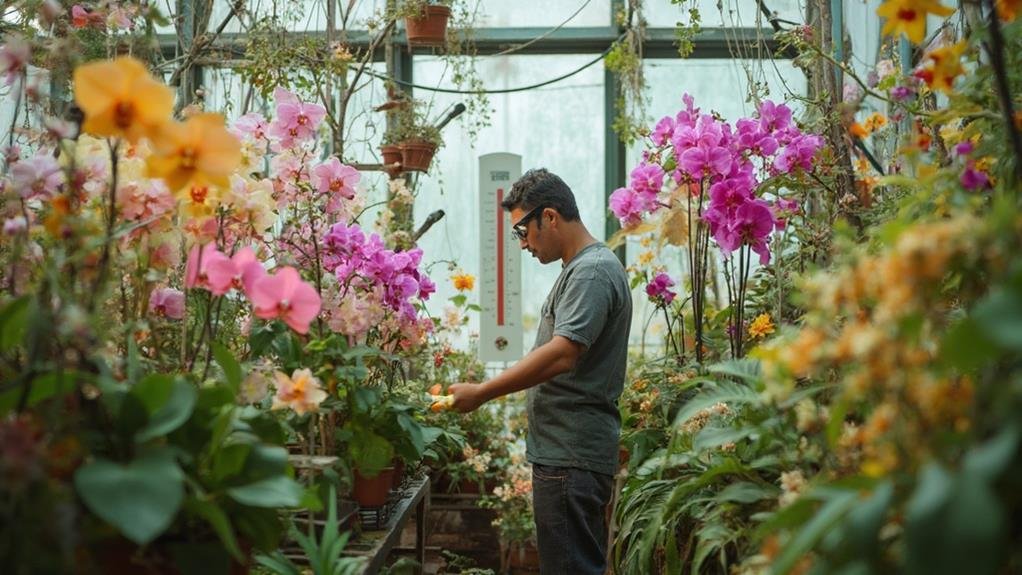
Numerous orchid enthusiasts have successfully transformed their growing techniques by implementing the temperature trick.
For instance, one local gardener noticed a remarkable increase in bloom production after adjusting nighttime temperatures for her Phalaenopsis orchids. Lowering the temperature by about 10 degrees Fahrenheit during the night encouraged her plants to produce vibrant flowers that not only brightened her home but also brought joy to her friends and family.
Another case involved a community greenhouse that adopted this method. The caretakers found that by manipulating temperatures, they achieved a 30% increase in overall orchid health and well-being.
This improvement allowed them to donate more orchids to local hospitals, sharing beauty and positivity with patients and staff alike.
You might also be inspired by an online group where members share their experiences. One shared how adjusting temperatures led to a stunning display of blooms, prompting her to host a small community gathering to share her orchids' beauty with neighbors.
These stories showcase how this temperature hack not only enhances your orchids but also creates opportunities for connection and service within your community.
Alternative Methods for Orchid Care
Exploring alternative methods for orchid care can open up new avenues for nurturing these delicate plants. By embracing innovative techniques, you can create an environment where your orchids thrive, and in turn, you can share the joy of their beauty with others.
One effective approach is using a humidity tray. Place pebbles in a shallow dish filled with water, then position your orchid pot on top. This simple setup keeps the air around your plant moist, mimicking its natural habitat.
Another method involves experimenting with different potting mediums. While bark is traditional, consider using sphagnum moss or coconut coir, which can retain moisture better and promote healthy root growth.
You might also try a natural fertilizer like fish emulsion or compost tea. These organic options enrich the soil and provide nutrients without the harsh chemicals found in some commercial fertilizers.
Final Thoughts on the Controversy
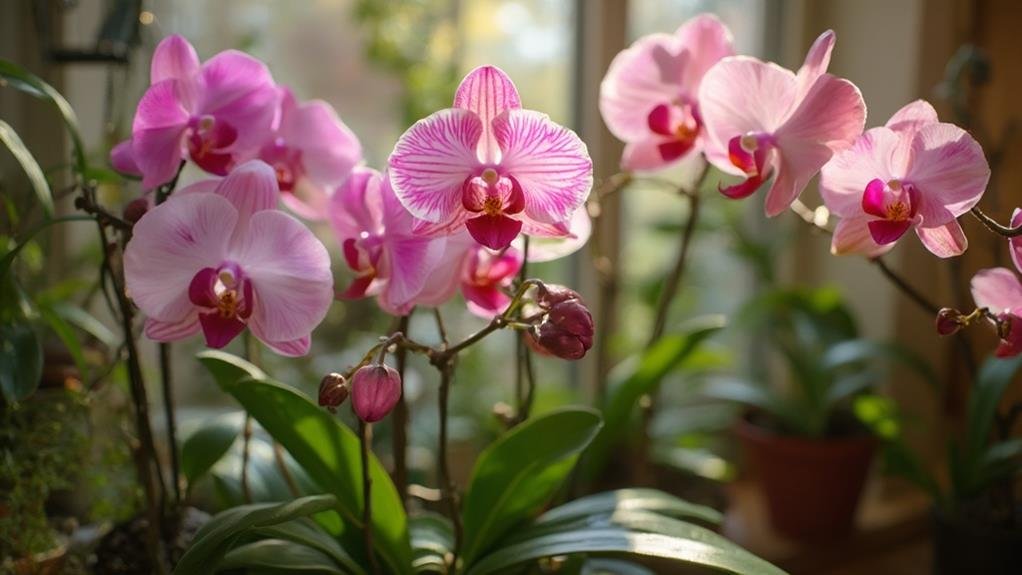
The ongoing debate surrounding orchid temperature management often leaves enthusiasts divided. You might find yourself caught in the middle, weighing the merits of temperature hacks against traditional care methods.
While some swear by the benefits of these temperature adjustments, others voice concerns about potential harm to the plants. It's crucial to recognize that every orchid is unique and may respond differently to temperature fluctuations.
As you consider the various opinions, remember that your ultimate goal is to serve your orchids well. If you decide to experiment with temperature hacks, do so thoughtfully. Monitor your plants closely and be ready to adapt your approach based on their responses.
Sharing your experiences with fellow orchid lovers can foster a supportive community. Engaging in discussions about what works and what doesn't helps everyone improve their care techniques.
In the end, the controversy surrounding these temperature hacks emphasizes the importance of knowledge and adaptability in orchid care.
Whether you choose to embrace the hack or stick to traditional methods, your commitment to nurturing these beautiful plants will shine through. Trust your instincts, stay informed, and keep your orchids thriving in whatever way you believe is best.
Frequently Asked Questions
Can This Temperature Hack Be Used for All Orchid Species?
You can't assume this temperature hack works for all orchid species. Each type has unique needs, so it's best to research specific requirements before trying any temperature adjustments. Tailoring care will guarantee healthier, thriving orchids.
How Quickly Can I Expect Results From the Temperature Manipulation?
You can expect to see results within a few weeks of temperature manipulation. Keep an eye on your orchids; they'll respond to the changes, showing new growth or blooms as they adapt to their environment.
Is There an Age Limit for Orchids to Benefit From This Hack?
There's no strict age limit for orchids to benefit from temperature manipulation. Whether young or mature, they can respond positively. Just verify you're attentive to their specific needs and adjust conditions accordingly to support their growth.
What Tools Are Needed for Implementing the Temperature Trick?
To implement the temperature trick, you'll need a thermometer, a timer, and possibly a fan for air circulation. With these tools, you can effectively manage your orchids' environment and enhance their growth.
Are There Specific Times of Year When This Hack Is Most Effective?
Yes, this technique's most effective during seasonal changes—spring and fall. During these times, temperature fluctuations can mimic natural conditions, encouraging your orchids to thrive and bloom beautifully. Keep an eye on seasonal changes for best results!
Conclusion
In summary, the orchid temperature hack offers intriguing possibilities for enhancing your plant's growth and blooms, but it's essential to approach it with caution. By experimenting with slight temperature changes, you might find the sweet spot that works for your orchids. Just remember to monitor their health closely and be ready to adjust your methods as needed. Ultimately, finding what suits your plants best will lead to a thriving and beautiful orchid collection. Happy growing!