You might find it intriguing that scientists have recently stumbled upon a remarkable new orchid species in the Amazon Basin, showcasing an array of stunning color variations and complex pollination strategies. This discovery not only highlights the vibrant biodiversity of the rainforest but also raises questions about the implications for conservation and our understanding of plant evolution. As researchers begin to unpack the significance of this find, you'll want to reflect on how it could reshape our perspective on the intricate relationships within these ecosystems. What could this mean for our approach to habitat preservation?
Key Takeaways
- Researchers discovered a stunning new orchid species in the Amazon Basin, showcasing vibrant colors and intricate patterns that attract specific pollinators.
- The unique pollination mechanisms of the orchid, including mimicking female insects, highlight complex plant-animal interactions critical for ecosystem health.
- Discovery emphasizes the need for habitat preservation, as orchids require specific conditions that support diverse ecosystems and pollinator relationships.
- The findings could inspire educational programs, fostering appreciation for biodiversity and conservation efforts in local communities.
- Potential medicinal properties of the newly discovered orchid may lead to significant advancements in therapeutic treatments and ecological understanding.
Overview of the Discovery
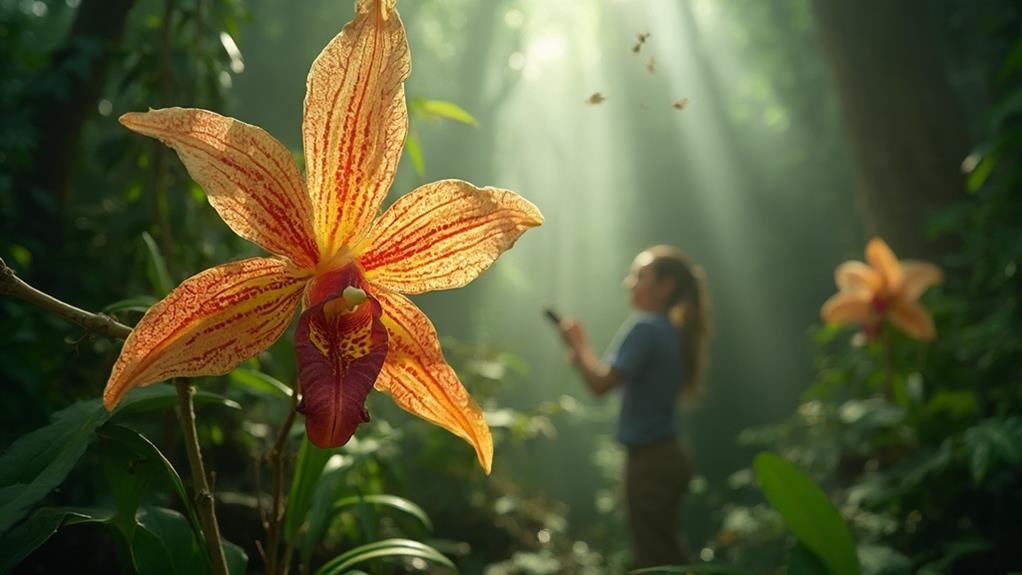
In a lush rainforest, researchers stumbled upon a stunning new orchid species, igniting excitement in the botanical community. You can imagine the thrill they felt as they carefully documented their findings, knowing this discovery could lead to greater understanding of plant biodiversity.
As they explored the vibrant ecosystem, they recognized the importance of preserving such habitats for future generations.
The team collected samples and took meticulous notes, ensuring they captured every detail about the orchid's environment and characteristics. This discovery isn't just about a beautiful flower; it's a demonstration of the value of conservation efforts.
You might think of how this new species could inspire educational programs, fostering a deeper appreciation for nature among local communities and beyond.
Unique Features of the Orchid
Orchids are fascinating because of their stunning color variations and intricate patterns that catch your eye.
You'll find their unusual pollination mechanisms equally intriguing, as they've adapted to attract specific pollinators.
Plus, their rare habitat requirements make them even more unique, showcasing nature's diversity.
Color Variations and Patterns
The vibrant colors and intricate patterns of orchids make them one of nature's most enchanting flowers. When you explore the world of orchids, you'll discover a stunning array of colors—from deep purples and bright yellows to soft pinks and creamy whites. Each hue tells a story, reflecting the unique environmental conditions in which these flowers thrive.
You'll notice that many orchids showcase striking patterns, including spots, stripes, and speckles. These patterns aren't just for show; they serve essential roles in attracting pollinators. By understanding these visual cues, you can better appreciate how these flowers engage with their surroundings and contribute to the ecosystem.

As you share this knowledge with others, consider how orchids can inspire creativity and appreciation for nature's artistry. Whether you're gifting an orchid or sharing your findings with friends, you're spreading awareness of their beauty and ecological importance.
Unusual Pollination Mechanisms
Nature's artistry extends beyond colors and patterns; it also reveals fascinating strategies for survival and reproduction. When you explore orchids, you'll discover their unusual pollination mechanisms that are truly remarkable. Each orchid species has its unique way of attracting pollinators, often employing tricks that can astonish you.
For instance, some orchids mimic the appearance and scent of female insects, enticing male pollinators to approach. When these males attempt to mate, they inadvertently pick up pollen, which they then carry to another flower, ensuring fertilization. Isn't it incredible how nature uses deception to achieve its goals?
Other orchids have evolved to produce sweet nectar, rewarding pollinators for their efforts. By forming mutualistic relationships with bees, butterflies, or even hummingbirds, they create a cycle that benefits both. You can appreciate how these interactions not only support the orchid's reproduction but also contribute to the broader ecosystem.
As you learn about these unique pollination strategies, you realize the importance of preserving these intricate relationships. By protecting orchid habitats, you're not just saving a plant; you're supporting entire communities of life, ensuring that these fascinating pollination mechanisms continue to thrive.
Rare Habitat Requirements
Finding the ideal environment is essential for orchids, as their rare habitat requirements often dictate their survival. You'll discover that these incredible plants thrive in specific conditions, often preferring humid, tropical climates. They typically grow in the understory of forests, where they receive filtered sunlight and consistent moisture. Understanding these needs can help you create a nurturing space for orchids.
You might be surprised to learn that many orchids are epiphytic, meaning they grow on other plants rather than in soil. This allows them to access more light and moisture. If you're looking to cultivate orchids, consider using a well-draining medium, like bark or sphagnum moss, to mimic their natural habitat.
Temperature and humidity also play significant roles. Most orchids flourish in temperatures between 65°F and 75°F during the day, dropping slightly at night. Regular misting or a humidity tray can help maintain the moisture they crave.
Location of the Expedition
Starting on this orchid discovery expedition, you'll find yourself in the lush rainforests of the Amazon Basin, where biodiversity thrives. This vibrant ecosystem is home to countless species, many of which remain undiscovered.
As you navigate through dense foliage, you'll witness the incredible interplay of flora and fauna, each playing an essential role in this intricate web of life.
Your journey takes you to specific locations known for their unique microclimates, where orchids flourish in stunning variety. These areas are often tucked away from human impact, allowing you to experience nature in its purest form.
You'll be equipped with tools to document your findings, ensuring that every rare orchid you encounter contributes to a greater understanding of these fascinating plants.
While you're immersed in this amazing environment, remember that your work extends beyond just discovery. Each orchid holds potential for medicinal properties and ecological balance, serving not only the Earth but also the communities that rely on these resources.
Significance for Biodiversity
Orchids play an essential role in maintaining biodiversity within their ecosystems. By supporting a wide range of pollinators, these stunning flowers help guarantee the reproduction of numerous plant species. When you promote the growth of orchids, you're not just fostering their beauty; you're also creating a habitat for various insects, birds, and other wildlife that depend on them.
Each orchid species can interact with specific pollinators, forming intricate relationships that enhance the resilience of the ecosystem.
Moreover, orchids contribute to soil health and stability. Their roots help prevent erosion, while their decomposition enriches the soil with organic matter. When you support orchid populations, you're indirectly nurturing the soil and promoting a balanced ecosystem.
Additionally, orchids offer unique genetic diversity that can be critical for adapting to environmental changes. By preserving these plants, you help safeguard the genetic reservoir needed for future resilience.
In your efforts to protect and celebrate orchids, you're taking an active role in preserving the intricate web of life that sustains us all. This commitment not only benefits the orchids themselves but also the entire ecosystem, fostering a healthier planet for future generations.
Implications for Conservation
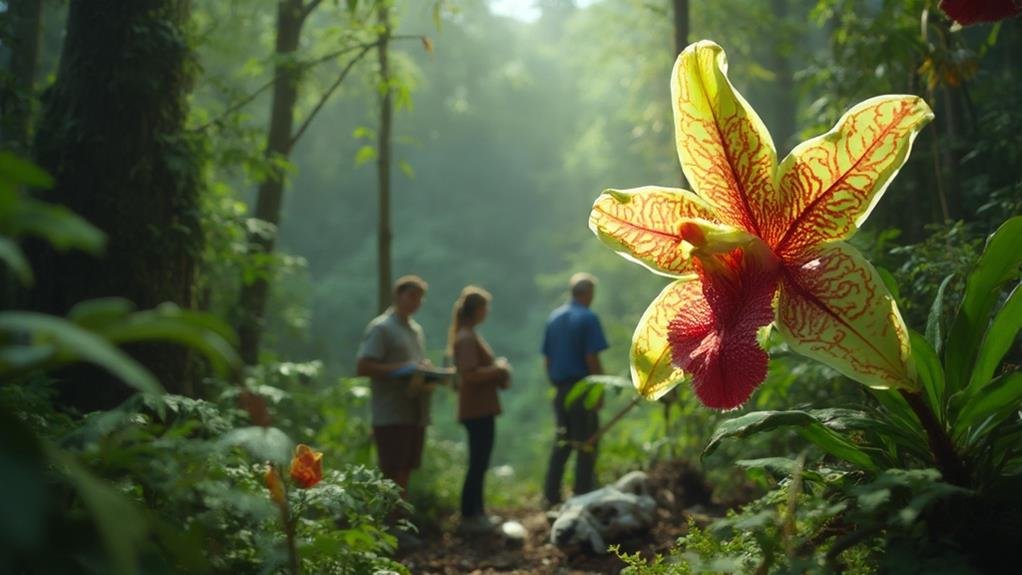
Understanding the implications of orchid discovery is essential for your efforts in conservation.
You'll find that implementing biodiversity preservation strategies and habitat protection initiatives can greatly affect the survival of these species.
Biodiversity Preservation Strategies
Conservation efforts thrive on the principle of biodiversity preservation, which is essential for maintaining the delicate balance of ecosystems. By focusing on this principle, you can play a significant role in protecting our planet's rich variety of life.
Start by supporting local conservation groups that work tirelessly to safeguard endangered species and their habitats. Engaging in community initiatives can amplify your impact, as collective action often leads to substantial change.
Consider adopting sustainable practices in your daily life. By reducing waste, choosing eco-friendly products, and conserving water, you contribute to a healthier environment.
Educating yourself and others about the importance of biodiversity can inspire broader community involvement. Share your knowledge through workshops or social media to spark conversations about conservation.
Participating in citizen science projects can also enhance biodiversity preservation efforts. By volunteering for data collection and monitoring local ecosystems, you help scientists gather essential information that informs conservation strategies.
Every little bit counts, and your active involvement can create a ripple effect, encouraging others to join in. Together, you can foster a culture of stewardship, ensuring that future generations inherit a thriving, diverse planet.
Habitat Protection Initiatives
Habitat protection initiatives play a crucial role in safeguarding the ecosystems that support diverse species and maintain ecological balance. By actively participating in these initiatives, you can help guarantee that critical habitats—like those for the newly discovered orchids—are preserved for future generations.
Every action counts, whether you're advocating for local conservation policies or volunteering with organizations dedicated to protecting these environments.
You can also support habitat protection by educating others about the importance of biodiversity and the unique role each species plays in its ecosystem. Encourage community involvement in restoration projects or local clean-ups, which can have a direct impact on the health of these habitats.
Additionally, consider promoting sustainable practices within your community. By reducing pollution, minimizing waste, and supporting local wildlife, you contribute to a healthier environment where orchids and countless other species can thrive.
Historical Context of Orchid Research
How did orchids capture the imagination of researchers throughout history? You might be surprised to learn that these exquisite plants have fascinated botanists since the Victorian era. Back then, the quest for exotic orchids led to intense expeditions, as collectors sought to uncover new species in remote jungles. This wasn't just about beauty; orchids symbolized prestige and scientific achievement, driving researchers to explore diverse ecosystems.
As you investigate deeper, you'll see that the study of orchids contributed greatly to our understanding of plant taxonomy and evolution. Pioneering botanists like John Lindley and Charles Darwin studied these remarkable plants, revealing their complex reproductive strategies and ecological relationships. Their work inspired generations to appreciate how plants serve crucial roles in their environments.
In more recent years, conservationists have recognized the importance of preserving orchid habitats, understanding that these plants are indicators of broader ecological health.
Future Research Directions
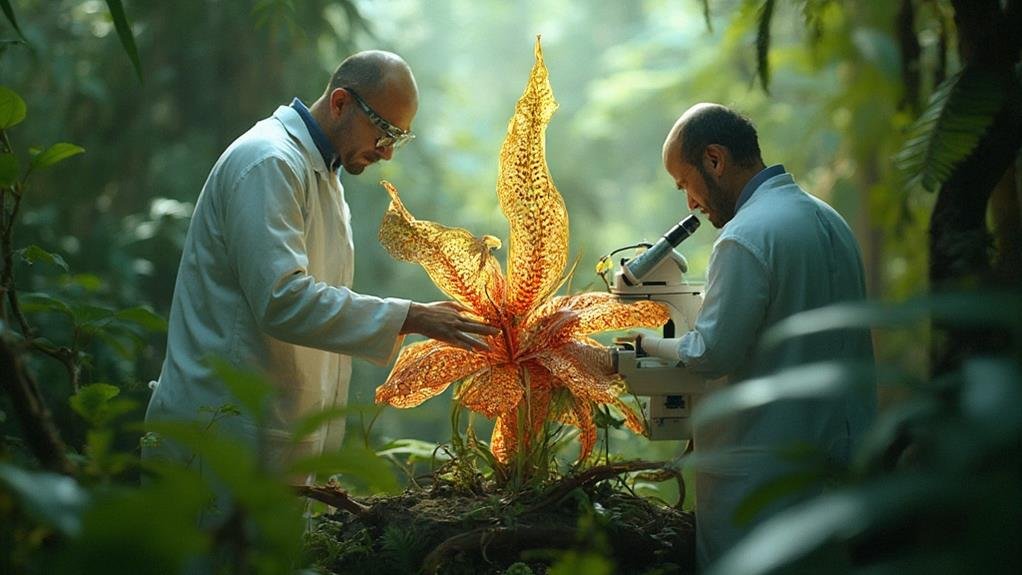
The future of orchid research is brimming with exciting possibilities that promise to deepen our understanding of these unique plants. As you explore this field, consider investigating the genetic diversity within various orchid species. This research could reveal critical insights into their adaptability and resilience, which can help conservation efforts worldwide.
You might also want to examine the symbiotic relationships orchids form with fungi and other organisms. Understanding these interactions can lead to innovative ways to support ecosystem health and biodiversity. Engaging with local communities to protect native orchids can foster a sense of stewardship, ensuring these plants thrive for future generations.
Furthermore, studying the potential medicinal properties of orchids could open doors to new treatments and therapies. Collaborating with researchers in pharmacology can amplify the impact of your findings, benefiting both science and society.
Lastly, leveraging technology, like drone mapping and genetic sequencing, could enhance your research capabilities, making it easier to track orchid populations and their habitats.
Embrace these future research directions, and you'll not only contribute to scientific knowledge but also empower communities and ecosystems around the globe.
Reactions From the Scientific Community
Researchers are buzzing with excitement over recent discoveries in orchid biology, sparking a wave of discussions and collaborations across the scientific community. You can feel the energy in the air as scientists share their findings and insights, enthusiastic to explore the implications for conservation and biodiversity.
The enthusiasm is contagious, drawing in experts from various fields who recognize the potential impact of these discoveries on ecological health and sustainable practices. Many researchers are reaching out to one another, forming interdisciplinary teams to investigate how these orchids can serve as indicators of environmental change.
They're thrilled about the prospect of using these plants to develop strategies that benefit both ecosystems and local communities. Conferences and seminars are filling up as you see an increasing number of scientists looking to present their research and hear from others.
Everyone's focused on the greater good, emphasizing the importance of collaboration to tackle global challenges like habitat loss and climate change. You'll find that this newfound camaraderie in the scientific community not only advances knowledge but also fosters a shared commitment to preserving our planet's rich biodiversity for future generations.
How This Affects Plant Evolution
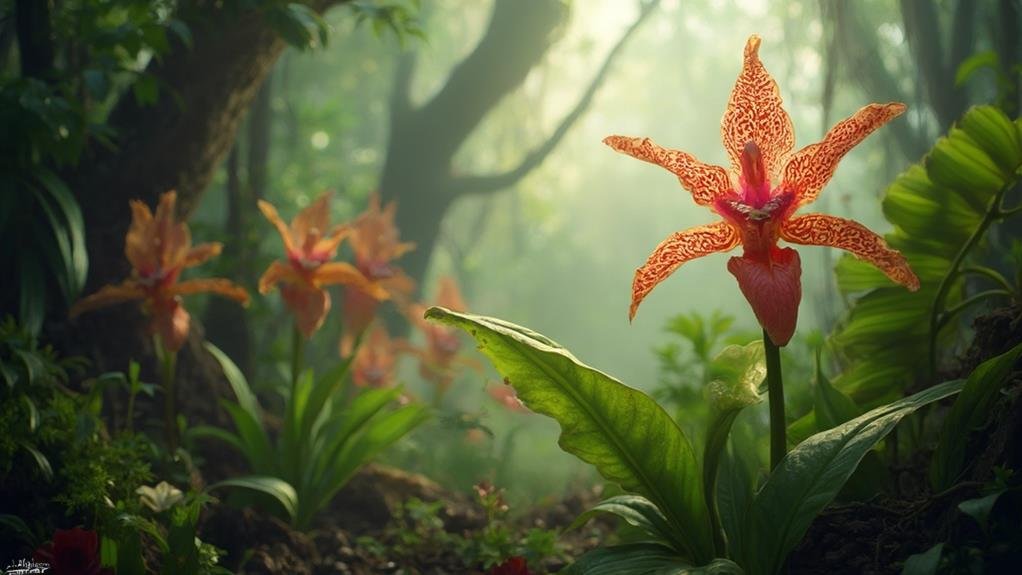
Orchid discoveries are reshaping our understanding of plant evolution in fascinating ways. As you investigate the complexities of these remarkable plants, you'll see how they adapt to their environments and develop unique survival strategies. This latest discovery highlights the intricate relationships orchids have with their pollinators, revealing that their evolutionary paths are closely intertwined.
When you explore these connections, you'll recognize that orchids aren't just beautiful; they play critical roles in their ecosystems. Their adaptations can influence entire habitats, affecting not only their survival but also the species that depend on them. Understanding these dynamics invites you to reflect on the broader implications for biodiversity and conservation efforts.
Moreover, these findings challenge traditional views of plant evolution, encouraging you to think about evolution as a more dynamic and interconnected process. It's a reminder that every species, no matter how small, contributes to the rich tapestry of life.
Frequently Asked Questions
What Are the Common Names of the Newly Discovered Orchid?
You might want to explore common names like "Sunset Orchid" or "Moonlight Bloom." These names often reflect the plant's vibrant colors or unique characteristics, making them appealing to those who appreciate nature's beauty and diversity.
How Does This Orchid Reproduce in Its Natural Habitat?
This orchid reproduces primarily through pollination, relying on specific insects attracted to its unique scent and color. You'll find that it also produces seeds that can disperse widely, thriving in diverse natural habitats.
Are There Any Known Medicinal Uses for This Orchid?
You'll find that some orchids have medicinal properties, including anti-inflammatory and antioxidant effects. Researchers explore these benefits, so you can support traditional medicine practices while promoting awareness about their importance in holistic health approaches.
What Threats Does This Orchid Face in Its Environment?
This orchid faces habitat loss, climate change, and pollution. You can help by supporting conservation efforts, planting native species, and raising awareness about its importance in ecosystems, ensuring future generations can appreciate its beauty and benefits.
How Can the Public Get Involved in Orchid Conservation Efforts?
You can get involved in orchid conservation by volunteering with local organizations, participating in educational workshops, donating to preservation efforts, or even creating a butterfly-friendly garden at home to support these beautiful plants and their habitats.
Conclusion
This remarkable orchid discovery not only dazzles with its vibrant colors and unique traits, but it also urges us to prioritize conservation efforts. By protecting its habitat, we can safeguard the intricate connections between species in the Amazon Basin. As researchers explore deeper into its adaptations, we'll gain invaluable insights into plant evolution and biodiversity. This find is a proof of nature's wonders, reminding us that every species plays an essential role in our planet's health and resilience.