
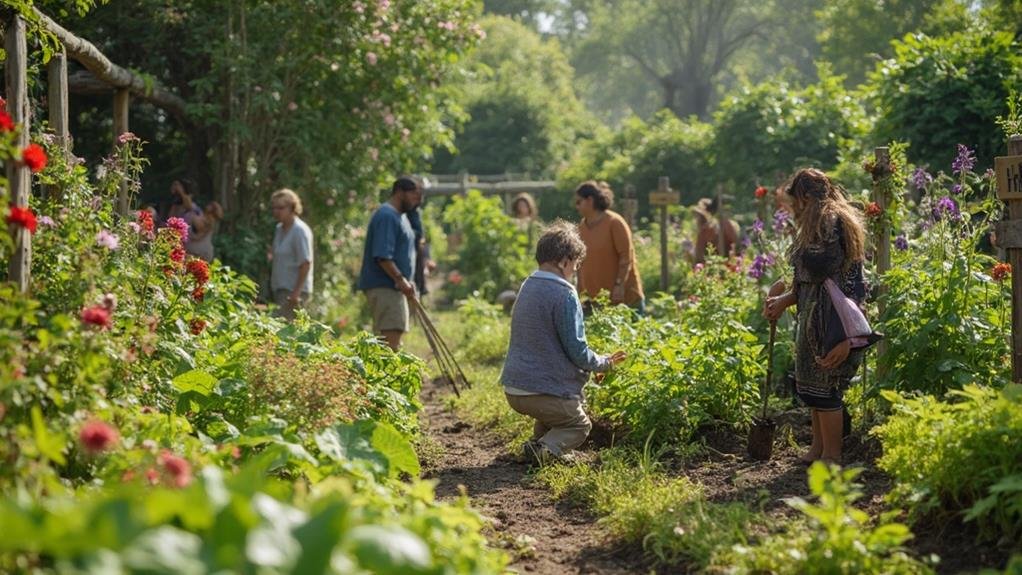
You might've noticed a shift in how people approach gardening, with traditional methods gaining traction like never before. Heirloom seed saving, companion planting, and natural pest control are just a few of the practices that are not only enhancing biodiversity but also fostering community ties. As these time-honored techniques come to the forefront, they're reshaping our understanding of sustainable gardening. But what does this mean for the future of food security and our connection to the environment? The answers might surprise you.
Key Takeaways
- Heirloom seed saving preserves biodiversity, allowing gardeners to grow unique plant varieties suited for local climates and enhance food security.
- Companion planting techniques improve garden health; pairing plants like basil with tomatoes boosts flavor and deters pests naturally.
- Natural pest control methods, including beneficial insects and essential oils, provide eco-friendly alternatives to chemical pesticides for managing garden pests.
- Crop rotation practices prevent soil depletion and pest buildup, promoting healthier crops by alternating plant families and nutrient needs.
- Maintaining soil health through organic matter and sustainable practices is essential for maximizing crop yields and ensuring a thriving garden ecosystem.
Heirloom Seed Saving
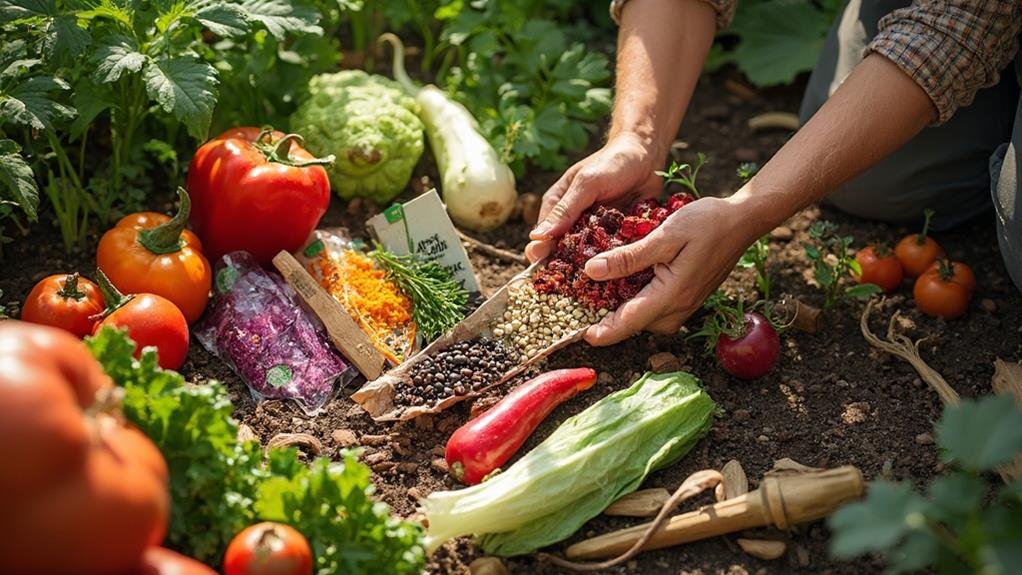
Heirloom seed saving is a rewarding practice that connects you to the rich history of gardening and agriculture. By preserving these unique varieties, you're not just cultivating plants; you're nurturing a legacy that can benefit your community. Each seed you save carries the stories of generations past, and sharing these seeds helps sustain biodiversity while promoting food security.
To start saving heirloom seeds, choose open-pollinated varieties that thrive in your local climate. As you harvest, collect seeds from the healthiest plants, ensuring they exhibit the traits you value most. Clean and dry your seeds thoroughly to prevent mold, and store them in a cool, dark place. Labeling is essential; it helps you remember the variety and the year you harvested them.
When you share your heirloom seeds with friends, neighbors, or local gardening groups, you foster community spirit. You're not just giving away seeds; you're empowering others to grow their own food and appreciate the importance of biodiversity.
This practice encourages a sustainable gardening culture that benefits everyone. Embrace heirloom seed saving, and be part of a movement that honors tradition while cultivating future generations.
Companion Planting Techniques
Companion planting techniques offer a smart way to boost your garden's health and productivity. By strategically pairing plants, you can create a thriving ecosystem that benefits both your crops and the environment. For instance, when you plant basil next to tomatoes, you enhance the flavor of your tomatoes while repelling harmful pests.
Likewise, interspersing marigolds among your vegetables can deter unwanted insects and attract beneficial pollinators.
You can also consider the nutrient needs of your plants. For instance, planting nitrogen-fixing legumes like peas or beans can enrich the soil for heavy feeders like corn. This mutual support not only improves your garden's yield but also promotes sustainable practices that benefit your community.
As you explore these techniques, think about how they can serve others. You could share your bounty with neighbors or donate extra produce to local food banks.
Natural Pest Control Methods
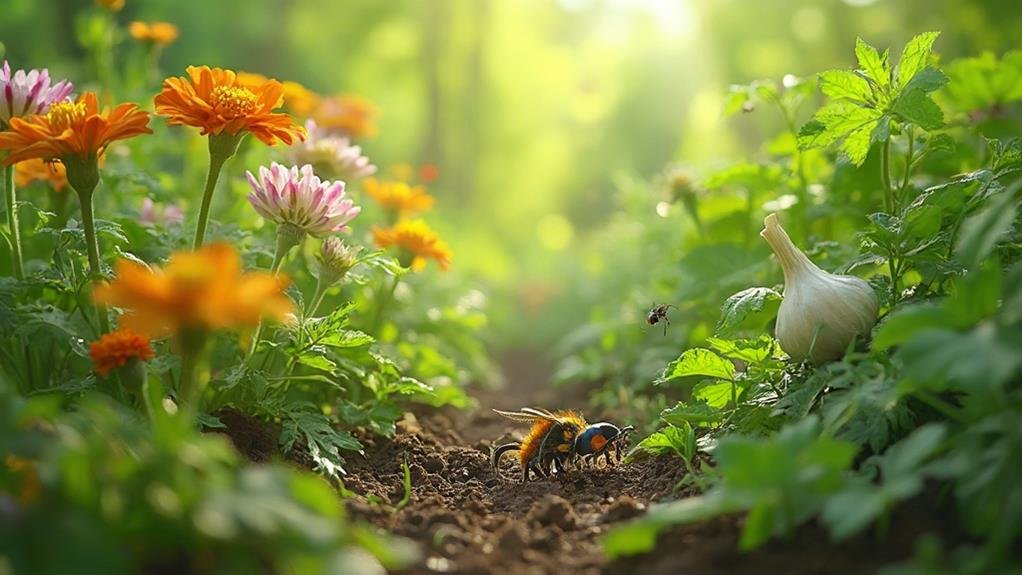
In the quest for a thriving garden, embracing natural pest control methods can be a game-changer. Instead of reaching for chemical pesticides, consider using simple, eco-friendly techniques that protect your plants while being gentle on the environment.

Start with beneficial insects like ladybugs and lacewings, which feast on common pests. You can attract them by planting flowers such as marigolds and dill nearby.
Another effective method is to use barriers, like row covers or netting, to physically shield your plants from unwanted visitors.
Additionally, essential oils, such as neem or peppermint oil, can deter pests while being safe for your garden. Mix a few drops with water and spray it on affected areas.
Don't forget to encourage biodiversity—plant a variety of species to create a balanced ecosystem that naturally keeps pests in check.
Crop Rotation Practices
Crop rotation practices are essential for maintaining soil health and maximizing crop yields. By alternating the types of crops you plant in a specific area, you can reduce soil depletion, prevent pest buildup, and improve nutrient balance. For instance, rotating legumes with cereals helps fix nitrogen in the soil, enriching it for future crops.
When you implement a rotation plan, consider the needs of the crops you want to grow. Group plants by their nutrient requirements and growth habits. This way, you can create a balanced ecosystem in your garden or farm.
Also, think about crop families; avoid planting the same family in consecutive seasons to prevent disease and pest issues.
Make sure to keep records of what you plant and where. This will help you track the effectiveness of your rotation and make adjustments as needed. Engaging with fellow growers and sharing your experiences can also enrich your knowledge.
Ultimately, by adopting crop rotation practices, you're not just enhancing your own yields; you're contributing to a sustainable agricultural community that serves everyone's needs.
Soil Health and Fertility

Maintaining soil health and fertility directly impacts your crop yields and overall farm productivity. When you prioritize the well-being of your soil, you're not just enhancing your harvest; you're also nurturing the ecosystem that supports your community.
Soil is a living entity, home to countless microorganisms that play a crucial role in nutrient cycling. By using organic matter like compost or cover crops, you can boost soil structure and fertility, making it more resilient against drought and erosion.
Regular soil testing helps you understand nutrient levels, guiding you to make informed decisions. You'll want to adjust your practices based on those results, ensuring you're meeting the specific needs of your crops.
Implementing sustainable practices, like reduced tillage or integrated pest management, can further enhance soil health.
Frequently Asked Questions
What Are the Benefits of Using Heirloom Seeds Over Commercial Seeds?
Using heirloom seeds offers you diverse flavors, better nutrition, and resilience to pests. They preserve biodiversity, connect you with history, and allow you to share unique produce with your community, fostering a sense of togetherness.
How Do I Start Composting for Better Soil Health?
To start composting, gather kitchen scraps, yard waste, and add them to a bin. Turn the pile regularly, keep it moist, and watch as it transforms into nutrient-rich compost, enriching your soil and supporting plant growth.
Can I Grow Vegetables in Containers Using These Methods?
Yes, you can definitely grow vegetables in containers! Just choose the right size pot, guarantee proper drainage, and use quality soil. Water regularly, and you'll enjoy a bountiful harvest while helping others appreciate fresh produce.
What Are the Best Plants for Attracting Beneficial Insects?
To attract beneficial insects, grow plants like marigolds, lavender, and dill. These flowers and herbs provide nectar and habitat, encouraging pollinators and predators. You'll create a thriving environment for your garden while helping others succeed too!
How Do I Know When to Rotate My Crops?
You'll know it's time to rotate your crops when you notice reduced yields, pest problems, or nutrient depletion. Aim to change crops every season or every few years to maintain soil health and boost productivity.
Conclusion
Embracing traditional growing wisdom not only strengthens your garden but also builds community connections. By incorporating heirloom seed saving, companion planting, and natural pest control, you're enhancing biodiversity and promoting sustainable practices. Remember, every small action contributes to a healthier ecosystem and food security. So, immerse yourself in these time-tested techniques and share your experiences with others—together, we can cultivate a greener future while celebrating the rich traditions of gardening. Happy planting!