You might've heard about the Lady Slipper Orchid's recent genetic revelations, but the implications of these ancient secrets go far beyond its stunning appearance. Researchers have uncovered how this resilient plant adapts to diverse environments, revealing its intricate relationships with fungi that play a vital role in its survival. As you consider the significance of these findings, you'll want to explore how they might reshape conservation strategies and influence our understanding of the ecosystems these orchids support. What other mysteries could this delicate flower hold?
Key Takeaways
- Lady Slipper Orchids are revered for their medicinal properties, historically used by indigenous peoples for anxiety relief and healing rituals.
- Genetic studies reveal the adaptability of Lady Slipper Orchids, showcasing their evolutionary strategies for survival in diverse environments.
- Their unique symbiotic relationships with mycorrhizal fungi are crucial for nutrient absorption, supporting their growth in nutrient-poor soils.
- Conservation efforts are essential to protect these orchids from over-collection and habitat destruction, preserving their historical and cultural significance.
- The diverse color variations of Lady Slipper Orchids indicate specific environmental conditions, offering insights into their ecological adaptability and resilience.
The Lady Slipper Orchid's History
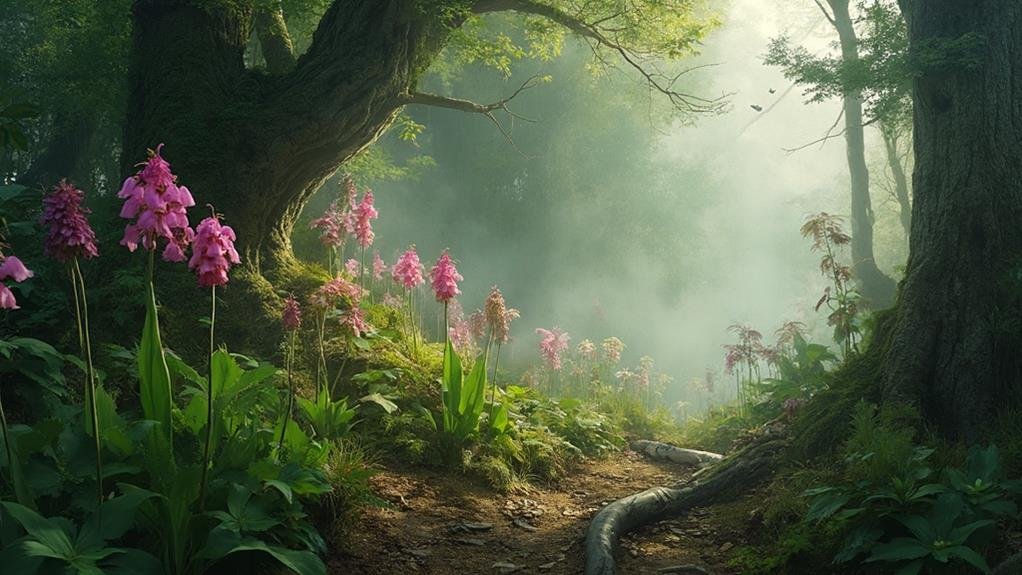
Historically, the Lady Slipper orchid has captivated collectors and botanists alike with its unique beauty and rarity. You'll find that this enchanting flower has deep roots in various cultures, often symbolizing love, protection, and even luxury.
As you investigate its history, you'll discover how indigenous peoples revered this orchid for its medicinal properties, using it to treat various ailments.
In the 19th century, the Lady Slipper orchid gained immense popularity among European collectors, leading to overharvesting. This demand, driven by its stunning appearance, nearly pushed the species to extinction in certain areas. You might feel a sense of responsibility when learning about these challenges, as it underlines the importance of conservation efforts today.
Many organizations and individuals work tirelessly to protect these delicate plants, ensuring they thrive for future generations. By supporting these efforts, you're not just preserving a beautiful flower; you're also honoring the traditions and stories woven into its history.
Unique Features of Lady Slipper Orchids
When you look at Lady Slipper Orchids, you'll immediately notice their distinctive flower structure, which sets them apart from other orchids.
Their vibrant color variations and intricate patterns add to their allure, making them a favorite among plant enthusiasts.
Let's explore what makes these orchids truly unique.
Distinctive Flower Structure
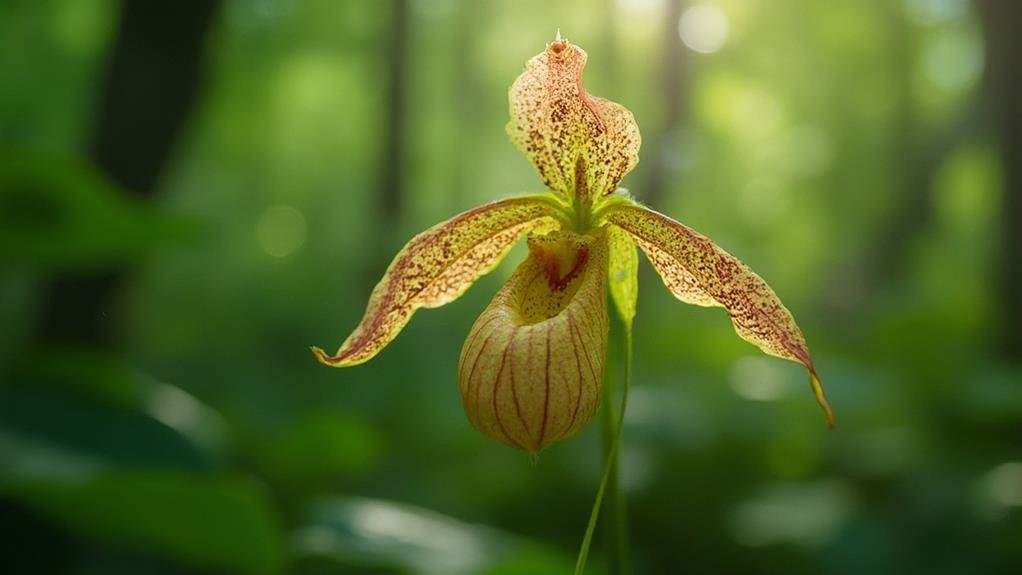
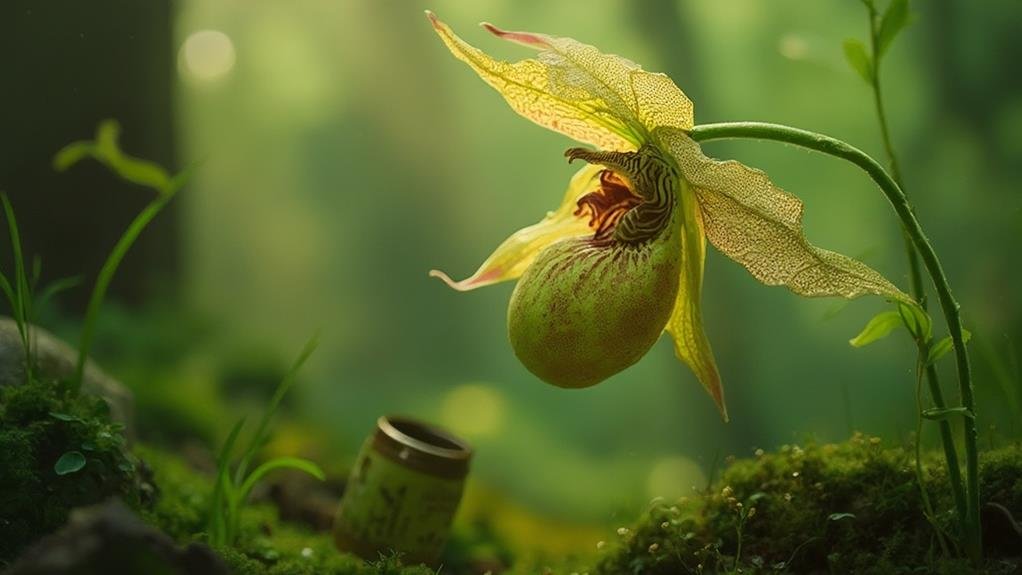
Lady slipper orchids are renowned for their striking flower structure, which sets them apart from other orchid varieties. When you first encounter these exquisite blooms, you'll notice their unique pouch-shaped lip, often resembling a delicate slipper. This distinct feature serves a purpose: it attracts pollinators like bees, enticing them to enter the flower for a closer look.
As you explore these orchids, you'll find that the petals are often broad and elegant, gracefully arching away from the center. This creates an inviting space for pollinators to land, ensuring effective pollination.

The symmetry of the flower structure is another remarkable aspect; it embodies nature's perfect design, which is both functional and beautiful.
The overall arrangement of the flower, with its elongated sepals and vibrant lip, not only captures your attention but also serves to showcase the rich diversity of the orchid family.
As you share your knowledge of lady slipper orchids with others, highlight these distinctive features. By doing so, you inspire appreciation for their beauty and the essential role they play in our ecosystem.
Color Variations and Patterns
Color variations and patterns in lady slipper orchids are as diverse as their unique structures. You'll find these stunning flowers showcasing a remarkable palette, ranging from vibrant yellows and pinks to deep purples and whites. Each color tells a story, attracting pollinators and serving to enhance the beauty of their surroundings.
As you explore these orchids, notice how the intricate patterns on their petals can vary not just by species, but also within individual plants. Some boast delicate spots or stripes, while others present solid colors that radiate elegance.
These variations can help you understand the specific growing conditions and habitats where each orchid thrives.
Genetic Discoveries and Implications
You'll find that understanding the genetic variation in lady slipper orchids reveals essential insights into their evolutionary adaptations.
These discoveries can influence conservation strategies, ensuring these beautiful plants thrive in changing environments.
Genetic Variation Insights
Understanding the genetic variation within the Lady Slipper Orchid offers fascinating insights into its adaptability and survival strategies. You'll find that this remarkable plant's genetic diversity equips it to thrive in various environments. By studying these variations, you're uncovering how the orchid responds to changes in climate, soil types, and other factors that challenge its existence.
These insights aren't just academic; they can inform conservation efforts. When you grasp the genetic makeup of different Lady Slipper populations, you can better understand their resilience and susceptibility. This knowledge empowers you to develop more effective strategies for preserving their habitats and ensuring their survival.
Moreover, genetic variation can shed light on the relationships between different orchid species. As you explore these connections, you can see how certain traits have evolved over time, allowing you to appreciate the intricate web of life that supports these beautiful plants.
Ultimately, your understanding of genetic variation within the Lady Slipper Orchid enriches your perspective on biodiversity and conservation. By sharing this knowledge, you can inspire others to join you in protecting these delicate wonders of nature.
Evolutionary Adaptation Mechanisms
Recent genetic discoveries reveal fascinating evolutionary adaptation mechanisms in the Lady Slipper Orchid, showcasing how these plants have evolved to survive in diverse conditions. You might be intrigued to learn that these orchids have developed unique strategies to cope with varying environments, such as changes in moisture and light availability.
Their genomes exhibit specific gene expressions that promote resilience, allowing them to thrive in both moist woodlands and drier, rocky areas.
By studying these adaptations, you can appreciate the intricate balance of nature and the significance of preserving such unique species. For instance, the Lady Slipper Orchid's ability to form symbiotic relationships with fungi enhances nutrient uptake, which is essential in nutrient-poor soils.
This reciprocal relationship not only aids the orchid but also supports the surrounding ecosystem.
Understanding these mechanisms can inspire you to advocate for the conservation of diverse habitats. By sharing knowledge about the Lady Slipper Orchid's adaptations, you can encourage others to appreciate the critical role these plants play in their environments.
Supporting conservation efforts guarantees that such remarkable evolutionary feats continue to thrive, benefiting both the species and the ecosystems they inhabit.
Conservation Strategies Impact
Conservation strategies for the Lady Slipper Orchid have gained momentum thanks to groundbreaking genetic discoveries that highlight the plant's unique adaptations. By understanding the genetic makeup of this remarkable species, you're equipped to implement more effective conservation practices.
For instance, knowing how the orchid interacts with specific pollinators allows you to create habitats that support these essential relationships. You can advocate for habitat restoration projects that not only protect the Lady Slipper but also promote biodiversity. Engaging local communities in these efforts can foster a sense of stewardship and shared responsibility.
Educating others about the genetic traits that enable the orchid's survival can inspire collective action for conservation. Moreover, genetic discoveries help identify populations that are most resilient to environmental changes. By focusing your conservation efforts on these populations, you can guarantee the long-term survival of the Lady Slipper Orchid.
Supporting research initiatives that explore genetic diversity can also yield insights into potential threats, enabling proactive measures. Ultimately, your commitment to these strategies can make a significant difference.
Relationships With Other Plant Species
Exploring the relationships between lady slipper orchids and other plant species reveals a fascinating web of interactions that enhance their survival.
You'll discover how these orchids rely on specific mycorrhizal fungi for nutrient acquisition. The fungi connect with the roots of the orchids, aiding in the uptake of essential minerals while providing the fungi with carbohydrates in return. This mutualism is vital, especially in nutrient-poor soils where lady slippers often thrive.
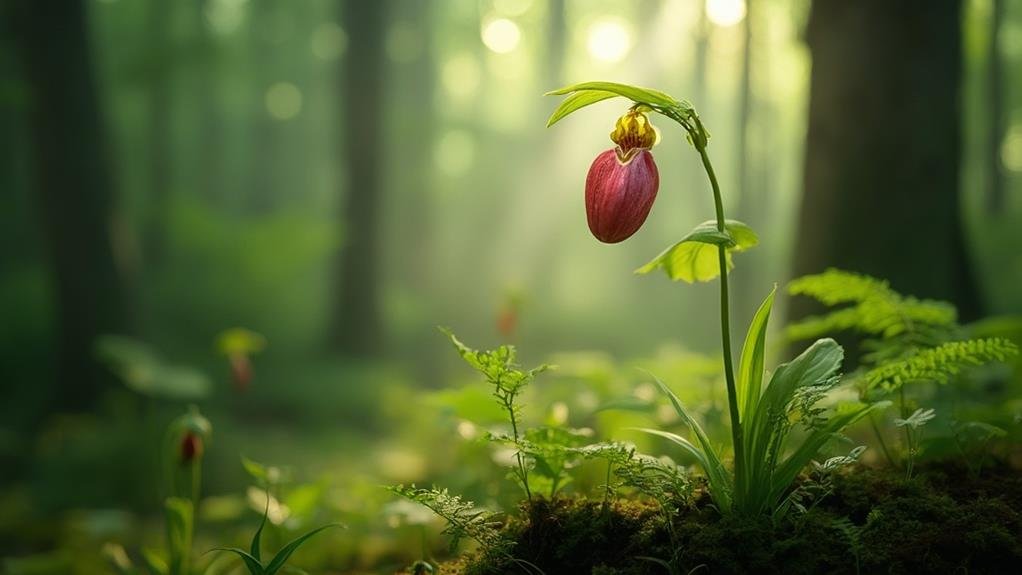
Additionally, lady slipper orchids share their ecosystem with various plant species, forming a community that supports one another. For instance, neighboring ferns and mosses offer shade and maintain moisture levels, creating a microhabitat that favors the orchids' growth.
By cultivating these relationships, the orchids not only guarantee their own survival but also contribute to the overall health of their environment.
You can help enhance these relationships by promoting biodiversity in your gardens or natural areas. Planting native species alongside lady slippers can create a supportive community, fostering the interactions that sustain these beautiful orchids.
Traditional Uses and Medicinal Value
Lady slipper orchids have long been valued in traditional medicine and cultural practices across various societies. You might be intrigued to learn that these exquisite flowers have been used for their calming properties, often employed as natural remedies for anxiety and insomnia.
People have prepared teas and tinctures from their roots, believing they can soothe the mind and promote relaxation.
In some cultures, the lady slipper orchid symbolizes protection and healing. You may find that healers incorporate the plant into spiritual rituals, invoking its strength to assist those in distress.
They often blend its essence into salves and oils, which are then applied to the skin for potential relief from ailments like inflammation and irritation.
Furthermore, the orchid's unique beauty has inspired artisans to create herbal remedies, aiming to connect people with nature's gifts.
By sharing knowledge of these traditional uses, you can help others appreciate the importance of preserving such plants, ensuring that their medicinal value is recognized and respected.
Conservation Efforts and Challenges
The rich history of traditional uses for lady slipper orchids highlights their significance, but these beautiful plants face significant challenges in the wild. You might be surprised to learn that habitat destruction, climate change, and over-collection threaten their survival.
As you engage with conservation efforts, it's essential to understand these factors and how they impact the delicate ecosystems where these orchids thrive.
Many organizations are working tirelessly to protect lady slipper orchids and their habitats. You can lend your support by participating in local conservation initiatives or volunteering for replanting projects.
Engaging with community efforts not only raises awareness but also helps restore natural habitats that these orchids rely on.
Moreover, education plays an important role in conservation. By sharing your knowledge about the significance of lady slipper orchids, you can inspire others to appreciate and protect these remarkable plants.
Remember, promoting sustainable practices can make a big difference. Every small action counts, whether it's advocating for responsible gardening or supporting legislation aimed at protecting these species.
In your journey, be a champion for lady slipper orchids, and together, you can make strides toward a more sustainable future for these ancient treasures.
Future Research Directions
Increasingly, researchers are focusing on the genetic and ecological aspects of lady slipper orchids to enhance conservation strategies. You'll find that understanding these delicate plants on a molecular level can reveal essential insights into their resilience and adaptability. By studying their genetic makeup, you can help identify the specific traits that allow them to thrive in varying environments.
Additionally, investigating their ecological relationships, such as symbiotic partnerships with fungi, can lead to better conservation practices. You might consider how these interactions impact their survival and reproduction.
Future research should also prioritize habitat restoration efforts. By examining the conditions that promote the growth of lady slipper orchids, you can inform community initiatives aimed at preserving these natural spaces. Engaging local volunteers in monitoring populations won't only raise awareness but also foster a sense of stewardship among community members.
Lastly, collaborating with indigenous communities can enrich your understanding of traditional uses and cultural significance, helping to promote a holistic approach to conservation. Together, you can create a brighter future for lady slipper orchids, ensuring they continue to thrive for generations to come.
Frequently Asked Questions
What Specific Habitats Do Lady Slipper Orchids Thrive In?
Lady slipper orchids thrive in moist, shaded woodlands, often near streams or in rich, organic soil. You'll find them in areas with consistent humidity, as they prefer environments that provide protection from harsh sunlight and strong winds.
Are Lady Slipper Orchids Endangered in Certain Regions?
Yes, lady slipper orchids are endangered in certain regions due to habitat loss and overcollection. You can help by supporting conservation efforts and promoting awareness, ensuring these beautiful plants thrive for future generations to enjoy.
How Can I Grow Lady Slipper Orchids at Home?
To grow lady slipper orchids at home, you'll need a shaded area with well-draining soil. Maintain humidity and water them sparingly. Fertilize lightly during the growing season, and you'll enjoy their stunning blooms.
What Pollinators Are Most Attracted to Lady Slipper Orchids?
Lady slipper orchids attract specific pollinators like bumblebees and certain types of moths. These insects are drawn to the unique shape and scent of the flowers, helping you create a thriving ecosystem in your garden.
Do Lady Slipper Orchids Have Any Natural Predators?
Yes, lady slipper orchids do have natural predators. You'll find insects like aphids and caterpillars munching on their leaves. Keeping the environment healthy helps protect these beautiful plants from unwanted damage and maintains their vibrant beauty.
Conclusion
In uncovering the Lady Slipper Orchid's ancient secrets, you've gained valuable insights into its adaptability and essential relationships with fungi. This knowledge not only highlights the orchid's resilience but also emphasizes the importance of preserving its ecosystem. As you explore conservation efforts, remember that protecting the Lady Slipper Orchid means safeguarding the intricate web of life it supports. With continued research, you can contribute to ensuring this remarkable species thrives for generations to come.