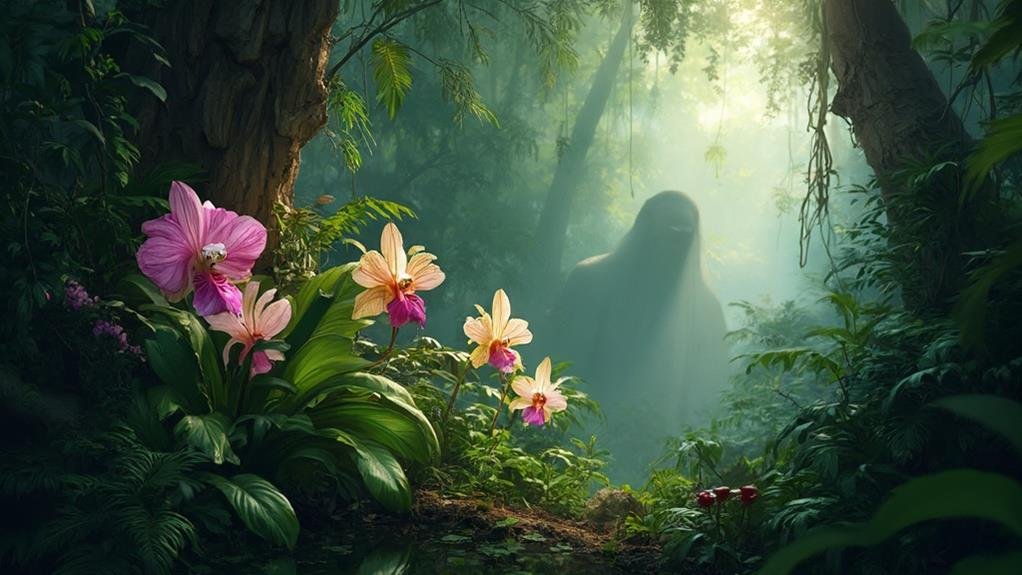

In the vast and lush tropical rainforests, a world of extraordinary beauty and botanical wonders awaits your exploration.
The intricate dance of life within these ecosystems involves rare orchid species that hold secrets waiting to be uncovered.
As you navigate through the dense foliage and vibrant colors, each step brings you closer to unraveling the mysteries of these elusive and delicate flowers.
Stay tuned to discover the fascinating world of rare orchids and the vital role they play in the intricate web of life in tropical rainforests.
Orchid Habitats in Tropical Rainforests
In tropical rainforests, rare orchid species thrive in diverse habitats, from the forest floor to high up in the canopy. These stunning flowers can be found nestled among the leaf litter on the ground, clinging to tree trunks, or even perched on branches high above. Each orchid species has its preferred niche within the rainforest, adapting to the specific conditions of light, moisture, and nutrients available in its chosen habitat.
Orchids that grow on the forest floor often have unique relationships with fungi, forming mycorrhizal associations that aid in nutrient uptake. These ground-dwelling orchids rely on decaying organic matter for sustenance, showcasing the intricate interconnectedness of life within the rainforest. As you explore the lush undergrowth, keep an eye out for these hidden gems that add bursts of color to the green surroundings.
Venture higher into the canopy, and you may encounter epiphytic orchids gracefully adorning tree branches. These air plants have evolved specialized structures to absorb moisture and nutrients from the humid air, showcasing the remarkable adaptability of orchids in tropical rainforest ecosystems. Whether on the ground or high above, rare orchids contribute to the rich tapestry of life in these diverse habitats.
Importance of Orchids in Ecosystems
Orchids play a crucial role in maintaining biodiversity and ecological balance within their respective ecosystems. These delicate flowers aren't just beautiful decorations but also serve as essential components of the intricate web of life in tropical rainforests.
Orchids contribute to ecosystem health by acting as indicators of environmental conditions. Their sensitivity to changes in temperature, humidity, and pollution levels can alert scientists to potential issues within the ecosystem.
Additionally, orchids provide crucial habitats and food sources for various organisms. Many insects, birds, and even larger animals rely on orchids for shelter, nectar, and pollen. By supporting a diverse range of pollinators, orchids facilitate the reproduction of numerous plant species, further enhancing the overall biodiversity of the ecosystem.

Furthermore, orchids contribute to nutrient cycling by forming symbiotic relationships with fungi in the soil, aiding in decomposition processes. Understanding the importance of orchids in ecosystems is essential for conservation efforts and maintaining the delicate balance of tropical rainforest environments.
Rare Orchid Species Identification Techniques
Utilizing advanced DNA analysis methods can enhance the accuracy and efficiency of identifying rare orchid species in tropical rainforests. These techniques involve extracting DNA from orchid samples collected in the field and comparing them to known genetic databases. By analyzing specific genetic markers unique to each orchid species, scientists can confirm the identity of rare orchids with a high level of precision.
In addition to DNA analysis, morphological characteristics play a crucial role in identifying rare orchid species. Experts examine features such as the shape and color of flowers, leaf structure, and growth habits. Combining morphological observations with genetic data allows for a comprehensive approach to orchid species identification.
Furthermore, advanced imaging technologies like high-resolution cameras and microscopes aid in capturing detailed images of orchid structures for further analysis. These images help researchers document key characteristics that distinguish one orchid species from another, contributing to the overall identification process. By integrating DNA analysis, morphological observations, and imaging technologies, scientists can effectively identify and document rare orchid species in tropical rainforests.
Threats to Orchids in Rainforest Environments
To better understand the challenges facing rare orchid species in tropical rainforests, consider the various threats that these delicate plants encounter in their natural environments. Orchids face a myriad of dangers, including habitat destruction due to deforestation for agriculture, logging, and urbanization. The loss of their natural habitat directly impacts the orchids' ability to thrive and reproduce.
Additionally, illegal poaching and overharvesting for commercial trade further endanger these precious plants, pushing many species towards extinction. Climate change poses another significant threat to orchids in rainforest environments. Shifts in temperature and rainfall patterns can disrupt the delicate balance that these plants rely on for survival. Extreme weather events such as hurricanes, droughts, and floods can devastate orchid populations, making it challenging for them to recover.
Furthermore, invasive species introduce competition for resources and may outcompete native orchids for sunlight, water, and nutrients. These invasive species can also introduce diseases that native orchids aren't equipped to handle, leading to declines in orchid populations. Overall, addressing these threats is crucial to the preservation of rare orchid species in tropical rainforests.
Conservation Efforts for Orchid Preservation
Efforts to safeguard rare orchid species in tropical rainforests are gaining momentum through targeted conservation initiatives. Orchids are facing various threats in their natural habitats, such as deforestation, illegal trade, and climate change. Conservationists are taking action to protect these delicate flowers by establishing protected areas, conducting research on orchid populations, and raising awareness about their importance in the ecosystem.
One key conservation effort is the creation of orchid sanctuaries within rainforest reserves. These sanctuaries provide a safe haven for endangered orchid species to thrive without the risk of being poached or destroyed. Additionally, conservation organizations are working closely with local communities to promote sustainable practices that minimize the impact on orchid habitats.
Education and outreach programs are also vital in orchid preservation efforts. By engaging with the public and highlighting the value of orchids, conservationists hope to inspire more people to join in the conservation movement. Through these collective efforts, we can ensure the survival of rare orchid species for future generations to appreciate and enjoy.
Frequently Asked Questions
What Are Some Unique Adaptations That Rare Orchid Species in Tropical Rainforests Have Developed to Survive in Their Specific Habitats?
To thrive in their specific habitats, rare orchid species in tropical rainforests have developed unique adaptations. These include:
- Specialized root systems to absorb nutrients efficiently.
- Symbiotic relationships with fungi for nutrient exchange.
- Intricate floral structures to attract specific pollinators.
By evolving these adaptations, orchids ensure survival and successful reproduction in the challenging rainforest environment.
Their ability to adapt and thrive showcases the resilience of these fascinating plants.
Are There Any Specific Pollinators That Are Crucial for the Survival of Certain Rare Orchid Species in Tropical Rainforests?
Certain rare orchid species in tropical rainforests rely on specific pollinators for their survival. These pollinators, often insects or birds, play a crucial role in the orchids' reproduction process.
By attracting these specific pollinators through various means such as color, scent, or nectar production, these orchids ensure successful pollination and the continuation of their species.
Understanding these intricate relationships is essential for the conservation of these unique orchid species.
How Do Researchers Track and Monitor the Population Sizes of Rare Orchid Species in These Dense Rainforest Environments?
To track and monitor rare orchid populations in dense rainforests, researchers employ various methods. They use GPS technology for precise location data and conduct aerial surveys to get an overview of the orchid distribution. Ground surveys are also essential, where scientists physically count and assess the orchids.
Camera traps and acoustic monitoring can capture wildlife interactions, aiding in understanding orchid habitats. These diverse techniques combine to provide comprehensive population size insights.
What Role Do Rare Orchids Play in Traditional Medicine or Cultural Practices of Indigenous Communities Living in Tropical Rainforest Regions?
Rare orchids play a vital role in traditional medicine and cultural practices of indigenous communities in tropical rainforests. These delicate flowers are often used for their medicinal properties to treat various ailments.
Additionally, rare orchids hold significance in ceremonies, rituals, and cultural traditions, symbolizing beauty, strength, and connection to nature. The intricate relationship between rare orchids and indigenous communities highlights the importance of conserving these precious species for future generations.
Can Climate Change Have a Significant Impact on the Distribution and Abundance of Rare Orchid Species in Tropical Rainforests, and if So, How Are Scientists Working to Mitigate These Effects?
Climate change can significantly impact the distribution and abundance of rare orchid species in tropical rainforests. Scientists are actively working to mitigate these effects by studying how changing environmental conditions affect orchids, implementing conservation strategies, and raising awareness about the importance of preserving these unique species.
Conclusion
As you journey through the lush tropical rainforests, take a moment to appreciate the beauty and importance of rare orchid species. These delicate flowers play a crucial role in the ecosystem and are worth protecting.
By learning more about their habitats, identifying techniques, and conservation efforts, we can ensure that these exquisite orchids continue to thrive in their natural environment.
Explore, appreciate, and preserve the wonders of tropical rainforest orchids for future generations to enjoy.