
You may be drawn to the striking beauty of black orchids, but there's more to their story than meets the eye. While they symbolize elegance and strength, the myths surrounding their rarity mask troubling truths about their environmental impact and unethical sourcing practices. As you explore the complexities of their cultivation, you'll uncover a narrative that challenges your admiration for these flowers. What if the allure you've cherished comes with significant consequences? The answer might change your perspective forever.
Key Takeaways
- Black orchids symbolize strength and elegance but are often misunderstood as symbols of death due to misconceptions about their color.
- True black orchids are rare; many dark-hued varieties exist, available through specialized nurseries and online markets.
- Cultivation practices can lead to habitat destruction, excessive water use, and reliance on harmful pesticides, threatening ecosystems.
- Unethical sourcing practices exploit vulnerable communities and threaten natural habitats, emphasizing the need for responsible purchasing.
- Growing black orchids requires specific care, including high humidity and careful moisture management, posing challenges even for experienced growers.
The Allure of Black Orchids

There's something undeniably enchanting about black orchids that draws you in. You can't help but admire their deep, velvety petals, which seem to absorb light rather than reflect it. This unique beauty captures your attention, sparking curiosity about the stories behind these rare flowers.
You find yourself wanting to share their allure with others, knowing how it can elevate a space and evoke emotions.
As you explore black orchids, you discover that they symbolize strength, elegance, and mystery. These meanings resonate deeply, inspiring you to incorporate them into thoughtful gifts or arrangements for those you care about.
You realize that the presence of black orchids can transform an ordinary moment into something extraordinary, whether it's a quiet evening with a loved one or a celebration of life's milestones.
Caring for these stunning flowers also becomes a rewarding endeavor. You take pleasure in nurturing them, understanding that your efforts will result in something beautiful to share.
In doing so, you're not just cultivating plants; you're cultivating connections, creating opportunities for others to appreciate their striking beauty, and fostering an environment where elegance and strength thrive.
Myths Surrounding Black Orchids
When it comes to black orchids, myths often cloud their true significance.
You might hear that their unique color symbolizes mystery and rarity, but is that really the whole story?
Understanding these misconceptions can help clarify their actual availability and meaning in the world of botany.

Unique Color Significance
Black orchids have captivated cultures for centuries, weaving a tapestry of myths and symbolism around their unique color. You may have encountered various interpretations that ascribe deep meanings to these stunning blooms. Many believe black orchids symbolize mystery, elegance, and power, making them ideal gifts for those who embody these qualities.
However, it's essential to recognize that the color black isn't just about darkness. In many cultures, it represents sophistication and strength. When you choose to give someone a black orchid, you're not just offering a flower; you're presenting a statement of admiration for their resilience and individuality.
Some myths suggest that black orchids are linked to death or mourning, but that's a narrow view. Instead, consider how these flowers can symbolize the beauty found in life's complexities.
When you appreciate the unique color significance of black orchids, you can inspire others to look beyond surface interpretations. By sharing this understanding, you create a space for deeper conversations about life, beauty, and the connections we share.
Rarity and Availability
Often shrouded in mystery, black orchids are perceived as rare gems in the floral world, leading to various myths about their availability. You might think these elegant flowers are nearly impossible to find, but that's not entirely true.
While it's true that true black orchids—like the notorious Dracula species—are uncommon, many orchids boast dark hues that can appear black.
You'll discover that these stunning flowers are available in specialized nurseries and online markets, countering the belief that they're impossible to acquire. It's crucial to differentiate between genuine black orchids and those simply marketed as such. Many florists offer hybrids that mightn't be pure black but still carry that fascinating allure.
If you want to share the beauty of black orchids with others, consider educating them about their availability and the different species that exist. By doing so, you'll dispel the myths surrounding their rarity and help others appreciate the diverse world of orchids.
Environmental Impact of Cultivation

When cultivating black orchids, you should consider the environmental consequences involved.
Habitat destruction, excessive water usage, and the impact of chemical pesticides can pose serious threats to local ecosystems.
It's essential to evaluate these factors to guarantee sustainable practices in orchid cultivation.
Habitat Destruction Concerns
Habitat destruction poses a significant threat to the delicate ecosystems that support black orchids. As you consider cultivating these rare beauties, it's crucial to recognize the impact your choices can have on their natural environments.
When forests are cleared for agriculture or urban development, the intricate balance of flora and fauna gets disrupted. This not only endangers black orchids but also the myriad of species that depend on the same habitat.
You mightn't realize that even small decisions, like purchasing black orchids from unsustainable sources, contribute to this growing problem. By supporting ethically sourced orchids, you can help protect their natural habitats.
Consider joining initiatives that focus on habitat restoration or conservation efforts. You can also spread awareness about the importance of preserving these ecosystems.
Water Usage Issues
In the quest to cultivate black orchids, water usage emerges as a crucial concern that can considerably impact the environment. You mightn't realize that these stunning flowers often require significant amounts of water, which can strain local water resources. As you explore the cultivation process, consider how your practices affect both the ecosystem and surrounding communities.
When growing black orchids, it's imperative to adopt sustainable watering methods. Over-irrigation can lead to water depletion, harming both plant health and the environment. You should endeavor to implement techniques like drip irrigation or rainwater harvesting, which can help conserve water while still supporting your orchid's needs.
Moreover, the sourcing of water can pose additional challenges. Using water from local rivers or streams may disrupt the natural ecosystem, affecting wildlife and plant life. By being mindful of your water usage, you can play a crucial role in promoting ecological balance.
Ultimately, your approach to water management can set a positive example for others in the orchid-growing community. By prioritizing sustainability, you not only nurture these exquisite blooms but also protect the environment for future generations.
Chemical Pesticide Effects
Chemical pesticides can greatly impact the environment, posing risks not only to the delicate balance of local ecosystems but also to your black orchids. When you use these chemicals, you might inadvertently harm beneficial insects, soil health, and even nearby plants.
The runoff from treated areas can contaminate water sources, posing a threat to wildlife and communities relying on that water.
You may think pesticides are effective for pest control, but they can create long-term issues that affect your orchids' growth and health. Pests can develop resistance, leading to a cycle of increased chemical use that harms the environment further.
Instead of resorting to harsh pesticides, consider exploring organic and sustainable alternatives that protect both your black orchids and the ecosystem.
Unethical Practices in Sourcing
Many consumers remain unaware of the unethical practices surrounding the sourcing of black orchids. When you seek to purchase these exotic flowers, it's essential to understand the dark underbelly of their supply chain. Often, these orchids are harvested from the wild, where their natural habitats are threatened. This unsustainable collection not only endangers the species but also disrupts local ecosystems.
Additionally, many suppliers exploit vulnerable communities. They may pay workers meager wages or engage in unsafe working conditions, all in pursuit of profit. By turning a blind eye to these practices, you're inadvertently supporting a cycle of exploitation that affects both the environment and human rights.
As someone who cares about serving others, consider sourcing black orchids responsibly. Look for vendors who prioritize ethical practices, such as sustainable cultivation and fair trade.
This way, when you choose to adorn your home or gift someone a black orchid, you're not just sharing beauty; you're also standing against exploitation. By making informed choices, you can contribute to a more ethical market and help preserve the natural wonders of our world.
Challenges in Growing Black Orchids
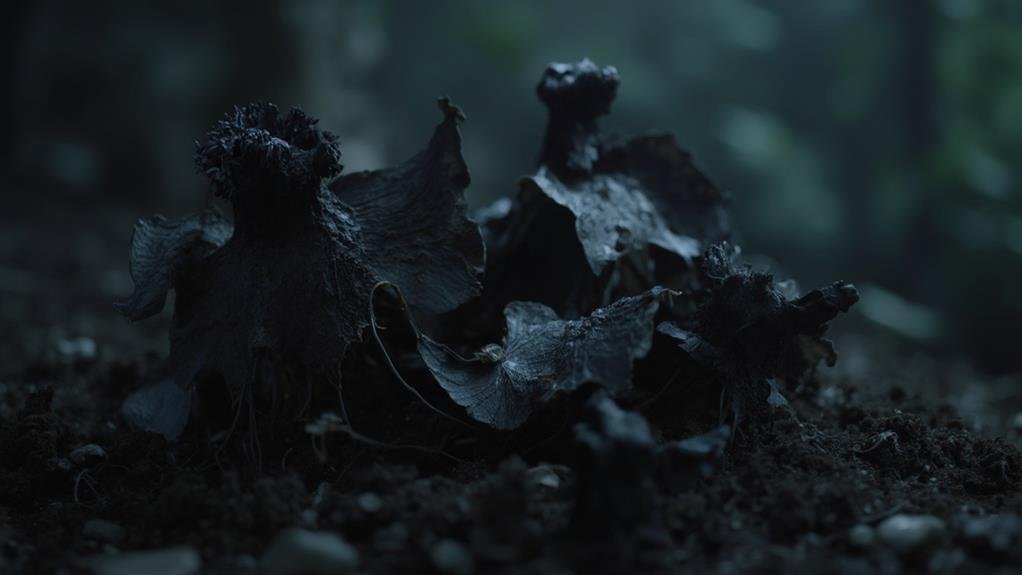
Growing black orchids presents several unique challenges that can frustrate even experienced horticulturists.
First, these rare plants demand specific environmental conditions to thrive. You'll need to maintain high humidity levels, typically between 50-70%, and guarantee they receive bright, indirect light. Too much direct sunlight can scorch their delicate leaves.
Watering can also be tricky. Black orchids prefer their potting medium to dry out slightly between waterings, but overwatering can lead to root rot. You'll have to monitor moisture levels closely and adjust your watering schedule based on seasonal changes.
Another challenge is pest management. Black orchids are susceptible to pests like aphids and spider mites. Regular inspections and prompt action are vital to prevent infestations from ruining your hard work.
Lastly, these orchids often require specific fertilizers to promote healthy growth and flowering. You'll want to use a balanced, diluted fertilizer during the growing season, but be careful not to over-fertilize, as this can damage the plant.
The Future of Black Orchids
As interest in unique plant varieties surges, the future of black orchids seems promising, especially for those who appreciate their striking beauty.
You'll find that these exquisite plants are becoming increasingly sought after, not just for personal enjoyment but also for creating a sense of community among plant lovers. With more growers and enthusiasts sharing their experiences, you can tap into a wealth of knowledge that fosters a supportive environment for cultivating these rare gems.
As awareness grows, you'll likely see advancements in propagation techniques and hybridization efforts aimed at enhancing the resilience and adaptability of black orchids. This means you'll have access to healthier specimens that thrive in various conditions.
Additionally, eco-friendly practices are becoming more prevalent, ensuring that sourcing black orchids is sustainable and ethical.
Consider participating in local plant swaps or community gardens, where you can share your passion for black orchids with others. By doing so, you not only expand your own collection but also help foster appreciation for these stunning plants.
The future of black orchids is bright, and your involvement can play an essential role in nurturing this growing movement.
Frequently Asked Questions
Are Black Orchids Naturally Occurring or Genetically Modified?
Black orchids aren't naturally occurring; they're often hybrids created through selective breeding. You'll find that these stunning flowers result from human ingenuity, aiming to bring unique beauty to gardens and floral arrangements.
How Can I Care for Black Orchids at Home?
To care for black orchids at home, keep them in bright, indirect light, water them weekly, and guarantee good drainage. Use a balanced orchid fertilizer every month to promote healthy growth and vibrant blooms.
What Is the Price Range for Black Orchids?
You'll find black orchids priced between $20 to $100, depending on their variety and rarity. When selecting one, consider quality over cost to guarantee you're bringing home a healthy, thriving plant for others to enjoy.
Do Black Orchids Have Any Medicinal Properties?
Black orchids don't have well-documented medicinal properties like other plants. However, they're often admired for their beauty and uniqueness, inspiring you to create arrangements that can uplift spirits and serve as thoughtful gifts.
Where Can I Legally Purchase Black Orchids?
You can legally purchase black orchids at specialty plant nurseries, online retailers, or botanical gardens. Just make sure you're buying from reputable sources to guarantee healthy plants and to support responsible cultivation practices. Happy shopping!
Conclusion
In uncovering the dark truth about black orchids, you see their beauty comes with significant responsibility. By choosing ethical sources and supporting sustainable practices, you can help protect these enchanting flowers and their habitats. It's up to you to foster a deeper connection with nature while ensuring that future generations can appreciate the elegance of black orchids. Together, we can champion responsible cultivation and celebrate the true essence of these remarkable blooms.