
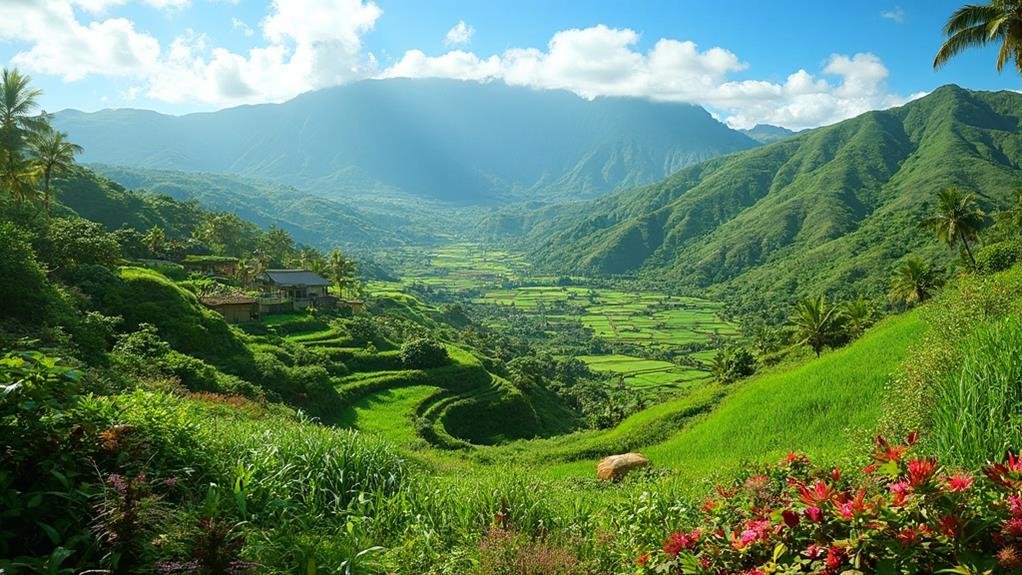
You might be surprised to learn about the Hawaiian growing method, a practice rooted in ancient Polynesian traditions that's now catching the attention of agricultural experts. This approach employs techniques like intercropping and companion planting, greatly boosting crop yields while promoting sustainability. Farmers are seeing increases that many thought impossible, transforming not just their harvests but entire communities. As you explore the implications of this method, you may find that its potential extends far beyond the islands, raising questions about the future of agriculture itself. What could this mean for your own understanding of sustainable practices?
Key Takeaways
- The Hawaiian growing method utilizes ancient sustainable practices, achieving remarkable crop yield increases, such as a 300% rise in taro production.
- Intercropping and companion planting enhance biodiversity, providing natural pest control and improving overall ecosystem resilience on farms.
- Innovative water management techniques, including rainwater capture, significantly reduce irrigation needs while preserving soil quality and fertility.
- Community engagement through gardens and educational programs fosters collaboration, improving nutrition awareness and local food access among residents.
- The method's focus on organic practices minimizes chemical usage, promoting healthier ecosystems and more nutritious food for future generations.
Origins of the Hawaiian Growing Method

The origins of the Hawaiian Growing Method trace back to ancient agricultural practices developed by the Polynesians who first settled the islands. These early settlers cultivated the land with a deep respect for nature, understanding the delicate balance of the ecosystem.
They practiced sustainable farming techniques that emphasized growing crops in harmony with the environment, allowing you to appreciate the interconnectedness of life.
As you learn about this method, you'll discover how the Polynesians utilized terracing, aquaculture, and companion planting to maximize their yields. They transformed the landscape by creating intricate systems that captured rainwater and nurtured the soil, ensuring that their communities thrived.
This profound knowledge of the land reflects a commitment to serving not just oneself but the entire community.
Incorporating these ancient practices into modern agriculture can enrich your understanding of sustainability and promote a healthier planet. By honoring the wisdom of those who came before you, you can cultivate a garden that not only feeds your family but also contributes to the well-being of your neighbors and the earth.
Embracing this legacy allows you to create a more sustainable future for generations to come.
Key Principles and Techniques
Understanding the key principles and techniques of the Hawaiian Growing Method can transform your approach to gardening and farming. This method emphasizes a deep connection to the land, focusing on sustainable practices that nurture both the environment and the community.
One essential principle is the practice of intercropping, where you plant multiple crops together to maximize space and resources. This not only promotes biodiversity but also helps deter pests naturally, reducing the need for chemicals.
You'll also want to embrace the concept of mulching, which conserves moisture and enriches the soil, creating a healthier ecosystem for your plants.

Another technique involves utilizing native plants, which are better adapted to the local climate and require less maintenance. By incorporating these plants into your garden, you can enhance resilience and support local wildlife.
Impact on Crop Yields
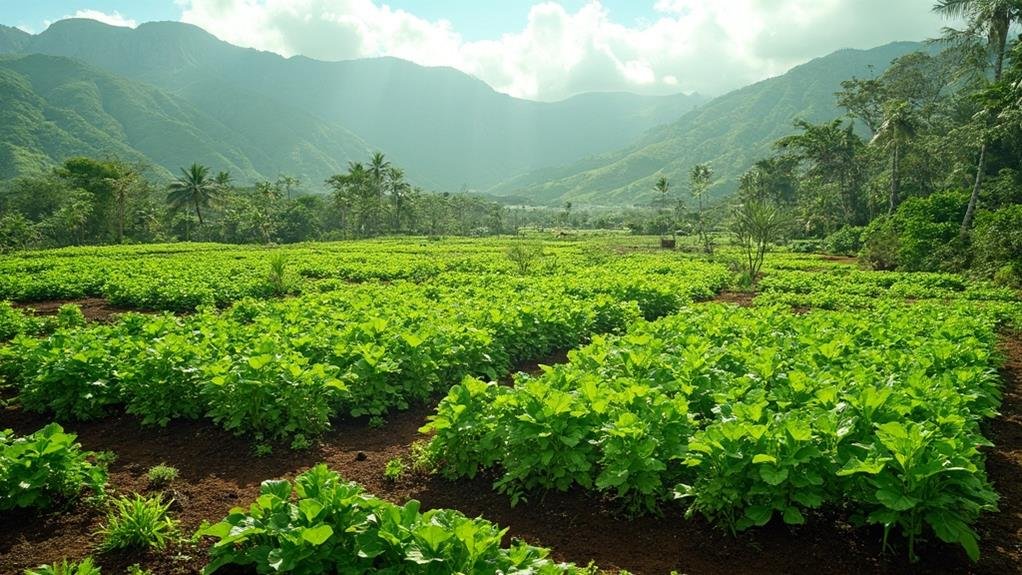
When you adopt the Hawaiian growing method, you'll notice a significant boost in soil health, which directly influences your crop yields.
This method also encourages increased biodiversity, creating a more resilient ecosystem for your plants.
As a result, you can expect not just quantity but quality in your harvests.
Enhanced Soil Health
Over time, enhanced soil health can greatly boost crop yields, transforming agricultural practices in Hawaiian farming. When you focus on nurturing the soil, you're not just improving the land; you're also empowering communities and ensuring food security.
Healthy soil is rich in nutrients, which leads to stronger, more resilient plants. This means fewer inputs like fertilizers and pesticides, making your farming practices more sustainable and cost-effective.
By adopting practices that enhance soil health, such as cover cropping or organic amendments, you're creating an environment where beneficial microorganisms thrive. These microorganisms play a vital role in breaking down organic matter and making nutrients available to your crops.
As a result, you'll notice improved growth rates and higher yields, allowing you to provide more food for your family and community.
Moreover, healthier soil can retain more water, reducing your need for irrigation and helping to conserve precious resources. As you cultivate healthier land, you're not just benefiting yourself; you're also contributing to the well-being of future generations.
Embracing enhanced soil health is a step toward sustainable agriculture that serves both people and the planet.
Increased Biodiversity Benefits
How does increased biodiversity impact crop yields? When you embrace a diverse range of plants in your farming practices, you create a resilient ecosystem that naturally enhances productivity. This diversity attracts beneficial insects and pollinators, which play an essential role in improving crop yields. By planting various species, you're not only providing food for these creatures but also ensuring that your crops have the support they need to thrive.
Moreover, a wider variety of plants can compete more effectively against pests and diseases, reducing the need for chemical interventions. You'll find that healthier plants lead to better yields overall, contributing to a sustainable approach to farming.
Incorporating cover crops and companion planting strategies further boosts soil health, which is critical for your crops. These methods improve nutrient availability and water retention, allowing your plants to flourish even in challenging conditions.
Ultimately, by increasing biodiversity in your fields, you're not just enhancing your own harvests; you're also supporting the environment and local ecosystems. This approach fosters a more sustainable future for agriculture, benefiting not just you but also your community and the planet.
Environmental Sustainability Benefits
The Hawaiian growing method offers significant environmental sustainability benefits that can transform agricultural practices. By utilizing organic techniques and natural inputs, you reduce reliance on chemical fertilizers and pesticides, promoting healthier ecosystems. This approach helps preserve soil quality, ensuring it remains fertile and productive for generations to come.
You'll also find that this method emphasizes water conservation. By implementing efficient irrigation systems and cultivating drought-resistant crops, you can minimize water usage while maximizing yield. This is essential, especially in regions facing water scarcity.
Additionally, the Hawaiian growing method fosters a symbiotic relationship with native flora and fauna. By integrating diverse plant species, you create a balanced environment that supports pollinators and other beneficial organisms, enhancing overall biodiversity.
Case Studies and Success Stories

In this section, you'll see how innovative techniques in the Hawaiian growing method have led to transformative crop yields.
You'll also discover inspiring community impact stories that highlight the method's benefits.
These real-life examples showcase the power of sustainable practices in agriculture.
Innovative Techniques in Action
Numerous innovative techniques have emerged in Hawaiian agriculture, showcasing the adaptability and creativity of local farmers. You'll be inspired by the way they've embraced practices like agroforestry, intercropping, and traditional Hawaiian methods to create sustainable ecosystems.
For instance, a community on the Big Island has successfully integrated taro cultivation with native fish ponds. This method not only provides a nutritious food source but also enhances water quality and biodiversity.
You might also find it compelling that some farmers are using vertical gardening techniques in urban areas. By maximizing limited space, they're not just growing fresh produce but also reducing reliance on imported food, fostering community resilience.
One success story involves a local cooperative that transformed a barren plot into a thriving garden, providing fresh vegetables to families in need.
These innovative techniques extend beyond mere farming; they reflect a commitment to serve the community and support the environment. As you explore these case studies, consider how these practices could inspire your own gardening efforts or community initiatives.
You'll see that by adopting such methods, you can contribute to a healthier, more sustainable future for everyone.
Transformative Crop Yields
Farmers in Hawaii have witnessed remarkable transformations in crop yields thanks to their innovative practices. By adopting the Hawaiian growing method, you can see how local farmers have turned their struggles into success stories.
One farmer, for instance, increased his taro production by 300% after implementing traditional water management techniques paired with modern organic fertilizers. This not only boosted his income but also allowed him to share surplus produce with local food banks, emphasizing community well-being.
Another case is a small family farm that shifted to this method and reported a 50% increase in their papaya yield within a single season. The family now contributes to community-supported agriculture programs, ensuring fresh, healthy produce reaches those in need.
Your commitment to such practices can lead to similar results, fostering a sense of shared responsibility and stewardship.
These examples illustrate that embracing innovative growing techniques not only enhances your crop yields but also enriches the lives of those around you. By serving others through sustainable agriculture, you can create a ripple effect that positively impacts your community while achieving personal success.
Community Impact Stories
The Hawaiian growing method has sparked a wave of community engagement and transformation, showcasing how agriculture can uplift entire neighborhoods. You may find inspiration in stories of local groups coming together, utilizing this innovative technique to create thriving spaces.
In one case, a community garden in Oahu transformed a vacant lot into a vibrant oasis, providing fresh produce to families in need. Volunteers worked tirelessly, learning the Hawaiian method's principles, and soon, they weren't just growing food; they were nurturing relationships.
Residents discovered a sense of belonging, sharing skills and resources while fostering a spirit of collaboration.
Another success story comes from a school program that adopted these techniques. Students learned about sustainable practices while cultivating an edible garden. The initiative not only enhanced their understanding of nutrition but also instilled a sense of responsibility to their community.
These examples highlight how the Hawaiian growing method can be a catalyst for positive change, encouraging people to come together, serve one another, and build healthier, more resilient communities.
Future Implications for Agriculture
Considering the unique techniques of the Hawaiian growing method, you might find exciting possibilities for the future of agriculture. This method emphasizes sustainability, biodiversity, and community involvement, which could reshape how we approach food production worldwide.
Imagine implementing these techniques in your local community, fostering a sense of stewardship and responsibility toward the environment. By adopting practices like intercropping and natural pest control, you can help reduce reliance on chemical fertilizers and pesticides. This not only supports healthier ecosystems but also leads to more nutritious food for everyone.
The Hawaiian method demonstrates that agriculture can be both productive and environmentally friendly, proving that it's possible to nourish people while caring for the planet.
Furthermore, engaging in community-based farming initiatives can empower individuals, creating a sense of connectedness and purpose. You'll witness firsthand the profound impact of working together to cultivate food, share knowledge, and support one another.
As you explore these innovative techniques, remember that the future of agriculture lies in collaboration, sustainability, and a commitment to serving others. Embracing these principles won't only enhance food security but also promote a healthier, more equitable world for generations to come.
Frequently Asked Questions
What Crops Are Best Suited for the Hawaiian Growing Method?
You'll find that tropical fruits like papaya, pineapple, and bananas thrive best in this method. Additionally, taro and sweet potatoes flourish, offering nutritious options for those you serve, enhancing meals with local flavors and vibrant colors.
How Does This Method Compare to Traditional Farming Practices?
When you compare this method to traditional farming practices, you'll notice it emphasizes sustainability and efficiency. It often requires less water and fertilizers, making it a more eco-friendly choice that benefits both crops and communities.
Is the Hawaiian Growing Method Suitable for All Climates?
The Hawaiian growing method isn't suitable for all climates. While it thrives in tropical regions, you'll need to adapt techniques for different environments. Experimenting with local conditions can help you find the right balance.
What Are the Initial Costs of Implementing This Method?
Implementing this method can involve various initial costs, like purchasing seeds, soil amendments, and necessary tools. You'll want to budget for setup and potential training to guarantee successful adoption and maximize your yield.
Are There Any Certifications for Farms Using This Technique?
Yes, there are certifications available for farms using sustainable practices. You can explore options like organic or regenerative certifications, which not only enhance your credibility but also show your commitment to serving the environment and community.
Conclusion
To summarize, the Hawaiian growing method offers a transformative approach to agriculture that not only boosts crop yields but also nurtures the environment. By embracing ancient practices like intercropping and companion planting, you can contribute to a sustainable future and enhance local food systems. As more farmers adopt these techniques, you'll witness the positive ripple effects in biodiversity, community engagement, and urban agriculture. Together, we can build a healthier planet and a more resilient food landscape.