
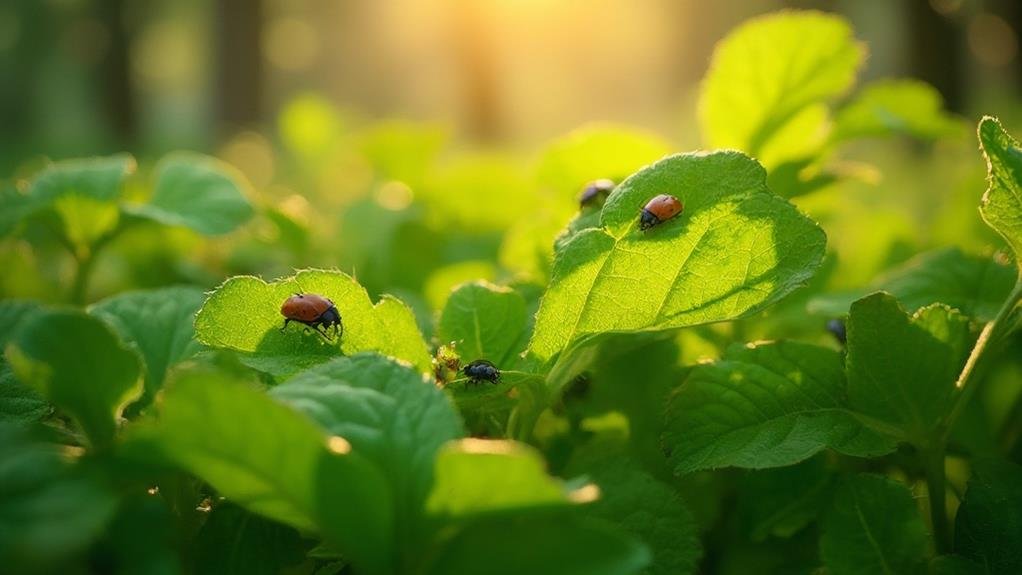
When it comes to managing mealybugs, you might think traditional methods are enough, but there's a more effective strategy that combines several key practices. You'll want to focus on plant hygiene, natural predators, and resistant varieties, all while keeping a close eye on your plants. By implementing these steps, you can create a thriving garden ecosystem that minimizes pest issues. But what happens when you combine these methods with a few unexpected techniques? The results might surprise you and provide even more effective solutions.
Key Takeaways
- Regularly inspect plants for mealybugs, focusing on undersides of leaves and stem joints to catch infestations early.
- Maintain plant hygiene by cleaning leaves, pots, and removing debris to reduce mealybug hiding spots.
- Quarantine infected plants immediately to prevent the spread of mealybugs to healthy specimens.
- Introduce natural predators like ladybugs and lacewings to control mealybug populations effectively.
- Use organic insecticides such as neem oil and insecticidal soap for targeted mealybug control without harming beneficial insects.
Understanding Mealybug Behavior
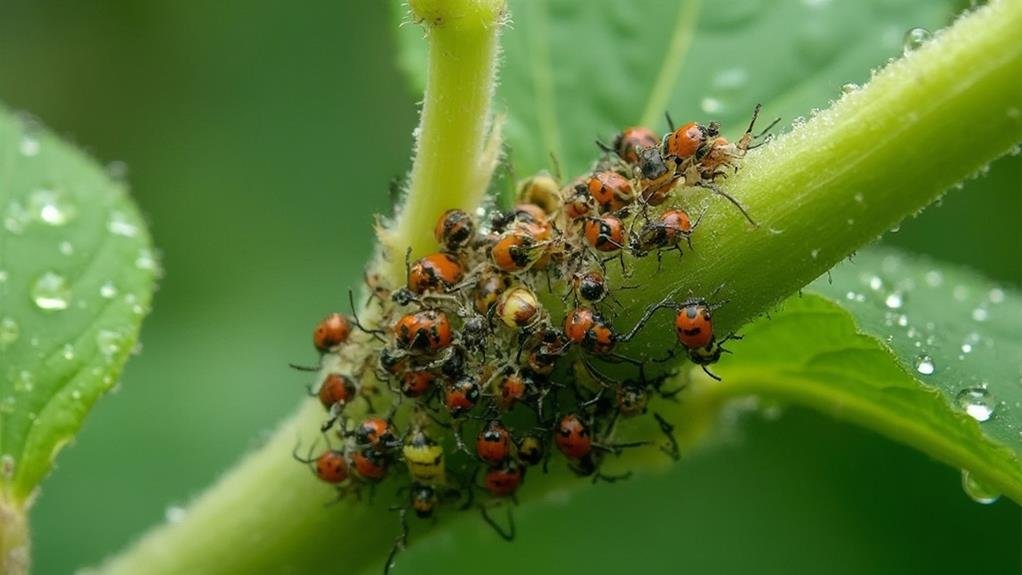
Understanding mealybug behavior is essential for effective prevention. These pests are notorious for their ability to hide in the crevices of your plants, making them a challenge to spot. They prefer warm, humid environments, so they often thrive in indoor gardens or greenhouses.
By knowing their habits, you can create an environment that discourages their presence.
Mealybugs feed on plant sap, weakening your plants over time. They reproduce rapidly, and their cottony egg sacs can quickly infest your garden. To prevent this, you should regularly inspect your plants, focusing on areas where mealybugs typically hide, like leaf axils and under leaves.
Another significant behavior to note is their tendency to travel. They can spread from one plant to another, so it's crucial to isolate any new plants before introducing them to your collection.
Identifying Mealybug Infestations
Spotting mealybug infestations early can save your plants from serious damage. To begin, check the undersides of leaves and the joints of stems, where mealybugs love to hide. You'll notice small, white, cottony masses that resemble tiny balls of fluff.
These pests can also exude a sticky substance, known as honeydew, which can attract ants and lead to sooty mold growth.
Look for signs of yellowing leaves or stunted growth, as these may indicate a mealybug problem. If you see any of these symptoms, inspect your plants closely. Don't forget to examine new plants before bringing them into your home or garden. Mealybugs can hitch a ride on infested plants, spreading the problem quickly.
If you find mealybugs, act promptly. Use a cotton swab dipped in rubbing alcohol to remove them or apply insecticidal soap for more severe infestations.
Importance of Plant Hygiene
Maintaining plant hygiene is essential for keeping mealybugs at bay.

You should regularly clean your plants and inspect any new additions to your collection.
Additionally, quarantining infected specimens can prevent the spread of pests to your healthy plants.
Regular Cleaning Practices
Regular cleaning practices play an essential role in keeping your plants healthy and free from mealybugs. By incorporating simple routines into your plant care, you can create an environment that discourages pests.
Start by wiping down the leaves with a damp cloth. This not only removes dust but also makes it harder for mealybugs to cling to your plants.
Next, don't forget about the pots and surrounding areas. Regularly cleaning the surfaces where your plants sit helps eliminate any hidden eggs or larvae.
Watering practices matter too; make sure you're not overwatering, as stagnant water can attract pests.
You should also consider removing any dead leaves or debris. This not only improves air circulation but also reduces hiding spots for mealybugs.
When you keep your plants and their environment tidy, you're making a significant contribution to their overall health.
In the long run, these cleaning habits will save you time and effort by preventing infestations before they even start.
Inspecting New Plants
Before introducing new plants to your home, it's important to inspect them thoroughly, as this simple step can prevent mealybug infestations. Take a few minutes to examine the leaves, stems, and soil for any signs of mealybugs or their egg sacs. Look for white, cottony masses or sticky residues, which are telltale signs of these pests.
Don't forget to check the undersides of leaves, as mealybugs often hide there. If you notice any suspicious spots, consider leaving the plant behind or addressing the issue before bringing it into your space.
Remember, your goal is to maintain a healthy environment not just for your plants but for the entire ecosystem in your home.
You can also take the opportunity to assess the overall health of the plant. A robust, well-cared-for plant is less likely to attract pests.
Quarantine Infected Specimens
If you spot mealybugs on any of your plants, it's crucial to quarantine those infected specimens immediately. This step isn't just about protecting your plants; it's about safeguarding the entire garden community you care for.
By isolating the affected plants, you'll prevent these pests from spreading to your healthy specimens, ensuring your efforts to serve others don't go to waste.
To quarantine effectively, move the infected plants to a separate area away from your healthy ones. Monitor them closely, checking for signs of further infestation.
Use this time to treat the mealybugs with appropriate solutions—like insecticidal soap or neem oil—while keeping your other plants safe.
Choosing Resistant Plant Varieties
Selecting resistant plant varieties is one of the most effective ways to combat mealybug infestations in your garden. By choosing plants that naturally deter these pests, you're not only protecting your garden but also serving others in your community who may face similar challenges.
Look for varieties known for their resistance to mealybugs, such as certain types of succulents, houseplants, and ornamental species.
When researching, consult local gardening experts or extension services to find plant recommendations tailored to your specific climate. You might also connect with fellow gardeners to share insights about successful resistant varieties. This collaborative approach not only enriches your knowledge but also fosters a supportive gardening community.
Additionally, consider incorporating a diverse range of plants in your garden. A well-planned mix creates a balanced ecosystem, making it more challenging for mealybugs to establish themselves.
By focusing on resistant varieties, you're investing in healthier plants that require fewer interventions, ultimately benefiting your local environment.
In your journey, remember that choosing the right plants is a proactive step toward a flourishing garden and a generous contribution to the gardening community around you.
Natural Predators and Beneficial Insects

To keep mealybugs at bay, you can turn to natural predators and beneficial insects.
Ladybugs and lacewings are effective allies, as they feast on these pests.
Effective Natural Predators
Harnessing the power of effective natural predators can considerably reduce mealybug populations in your garden. By introducing these beneficial insects, you not only protect your plants but also create a healthier ecosystem.
Ladybugs and lacewings are excellent allies; they feast on mealybugs and their eggs, keeping their numbers in check.
Encouraging parasitic wasps, like Anagyrus pseudococci, can also be a game-changer. These tiny wasps lay their eggs inside mealybugs, effectively controlling their populations while ensuring minimal harm to your plants.
To attract these natural predators, consider planting flowers such as dill, fennel, and yarrow. These plants provide nectar and pollen, luring beneficial insects to your garden.
Avoid using harsh pesticides, as these can eliminate both pests and your helpful allies.
Monitoring your garden regularly helps you spot mealybug infestations early, allowing you to act swiftly.
By fostering a community of natural predators, you're not just tackling the mealybug problem; you're also contributing to a more balanced environment.
When you work with nature, you cultivate a thriving garden that benefits everyone. Embrace these effective natural predators, and watch your garden flourish!
Utilizing Beneficial Insects
Building on the strategy of effective natural predators, utilizing beneficial insects offers another powerful approach to managing mealybug populations. By introducing these helpful allies into your garden, you can create a balanced ecosystem that naturally curbs pest numbers while promoting plant health.
Ladybugs and lacewings are two prime examples of beneficial insects that love to feast on mealybugs. When you release them into your garden, they're not just visiting—they're on a mission to reduce pest populations.
You'll want to guarantee your environment supports these insects; planting nectar-rich flowers can provide them with the food and habitat they need to thrive.
In addition to ladybugs and lacewings, consider parasitic wasps. These tiny warriors lay their eggs inside mealybugs, effectively controlling their numbers without harming your plants.
To get started, research local suppliers who offer these beneficial insects, and consider timing your release for when mealybug populations peak.
Effective Watering Techniques
Proper hydration is essential for maintaining healthy plants and preventing mealybug infestations. To guarantee your plants thrive, you'll want to adopt effective watering techniques that promote strong root systems and reduce stress.
Begin by establishing a consistent watering schedule based on your plants' specific needs. Remember, overwatering can be just as harmful as underwatering, as it creates an environment conducive to pests.
When you water, soak the soil thoroughly, allowing moisture to reach the roots. Use a soaker hose or watering can to deliver water directly to the base of the plants, minimizing wet foliage, which can attract mealybugs.
It's also a good idea to check the moisture level of the soil regularly; sticking your finger into the soil can help determine if it's time to water.
If you're caring for potted plants, ensure that they've proper drainage to prevent water from pooling.
Adjust your watering frequency during different seasons; for instance, plants usually need less water during the colder months.
Proper Fertilization Practices
How can you assure your plants get the nutrients they need to resist mealybug infestations? Proper fertilization practices are essential.
Start by choosing a balanced fertilizer that provides all the necessary macronutrients—nitrogen, phosphorus, and potassium—as well as micronutrients. These nutrients promote healthy growth, enhancing your plants' natural defenses.
Apply fertilizer according to the specific needs of each plant. Over-fertilizing can lead to weak plants, making them more susceptible to pests like mealybugs. Instead, follow a regular feeding schedule, typically every four to six weeks during the growing season. This consistency assures your plants receive steady nutrition without overwhelming them.
Additionally, consider using slow-release fertilizers. They provide nutrients over an extended period, reducing the risk of nutrient leaching and promoting sustained growth.
Always monitor your plants for signs of nutrient deficiencies, such as yellowing leaves or stunted growth, and adjust your fertilization practices accordingly.
Using Organic Insecticides
While managing mealybug infestations can be challenging, using organic insecticides offers an effective and environmentally friendly solution. These products, derived from natural sources, not only target mealybugs but also minimize harm to beneficial insects and the broader ecosystem.
By choosing organic options, you're supporting sustainable practices that help preserve the environment for future generations.
When selecting an organic insecticide, consider options like neem oil or insecticidal soap. Neem oil disrupts the life cycle of mealybugs, making it difficult for them to reproduce. Insecticidal soap works by suffocating these pests, providing a quick and efficient method to reduce their numbers.
Make certain to follow the application instructions closely to maximize effectiveness. Apply these treatments in the early morning or late evening to avoid harming beneficial pollinators.
Regularly check your plants after treatment to guarantee the mealybug population is under control.
Using organic insecticides not only helps in managing your mealybug problem but also contributes to a healthier garden environment. By choosing this path, you're making a positive impact on both your plants and the planet.
Regular Monitoring and Maintenance

Regular monitoring and maintenance are vital for keeping mealybug infestations at bay. By actively checking your plants on a regular basis, you can catch any signs of mealybugs early before they turn into a bigger problem.
Look for the telltale white, cotton-like masses on leaves and stems—these are your first indicators of an infestation. Establish a routine that includes inspecting the undersides of leaves where mealybugs often hide.
Don't forget to examine new plants before bringing them into your home or garden; this helps prevent introducing these pests into your existing collection. If you spot any mealybugs, act quickly by removing them manually or using a blast of water to dislodge them.
Maintaining healthy plants is also important. Make sure your plants are well-nourished and in the best conditions, as strong plants can resist infestations better.
Regularly clean your gardening tools and pots to avoid cross-contamination.
Frequently Asked Questions
Can Mealybugs Infest Indoor Plants as Well?
Yes, mealybugs can infest indoor plants. They thrive in warm, humid environments. Regularly inspect your plants, and if you spot them, act quickly to prevent further damage and help your plants stay healthy and vibrant.
What Time of Year Are Mealybug Infestations Most Common?
Mealybug infestations are most common during warmer months, typically spring and summer. You'll want to keep an eye on your plants during this time, as they're more vulnerable to these pests. Prevention is key!
Are There Specific Plants That Attract Mealybugs More Than Others?
Yes, some plants attract mealybugs more than others. You'll find them favoring soft, succulent plants like hibiscus and orchids. Keeping these plants healthy and inspecting them regularly can help you prevent infestations effectively.
How Long Does It Take to Eliminate a Mealybug Infestation?
To eliminate a mealybug infestation, you'll typically need a few weeks of consistent treatment. Regular monitoring and applying effective solutions can speed up the process, ensuring your plants recover and thrive once again.
Can Mealybugs Spread to Neighboring Plants in My Garden?
Yes, mealybugs can spread to neighboring plants in your garden. They easily travel through contact or by wind. It's essential to monitor and treat affected plants promptly to prevent further infestations from occurring.
Conclusion
By implementing an extensive mealybug prevention strategy, you can keep your plants healthy and thriving. Regular plant hygiene, choosing resistant varieties, and introducing natural predators are essential steps. Don't forget to use organic insecticides when needed and maintain proper watering and fertilization practices. Stay vigilant with regular monitoring and maintenance to catch any infestations early. With these proactive measures, you'll create a flourishing garden ecosystem that effectively combats mealybugs and promotes plant health.