You might think that a simple mistake in identifying a rare orchid wouldn't have much impact, but the events of 2022 proved otherwise. This million-dollar error not only rattled the scientific community but also sparked an unexpected surge in horticultural interest and activism. As confusion reigned, collectors and enthusiasts rallied around the orchid, igniting a movement that blurred the lines between science and passion. What unfolded next was a series of lessons that would shape the future of botanical studies and conservation efforts. So, what exactly led to this monumental blunder?
Key Takeaways
- A rare orchid species was misclassified, causing confusion and impacting conservation funding and efforts significantly.
- The misidentification sparked a horticultural frenzy, driving interest in orchid cultivation and care among enthusiasts.
- Workshops and seminars emerged, promoting ethical practices in horticulture to protect the orchid's natural habitat.
- Collectors had to reassess their collections, emphasizing collaboration and education over competition in the orchid community.
- Mistakes in identification highlighted the importance of accurate species classification for biodiversity preservation and community engagement.
The Rare Orchid Discovery
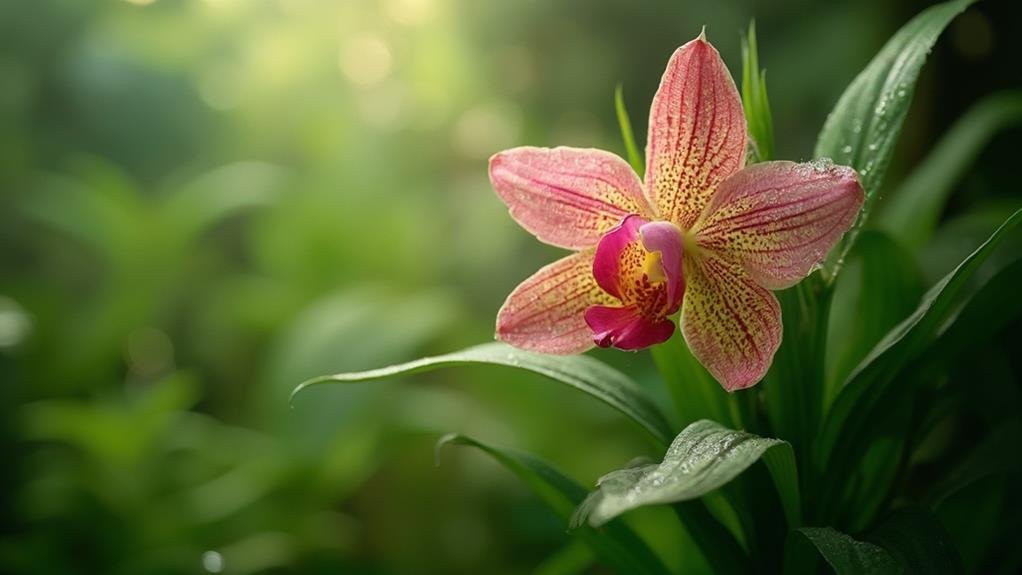
In 2022, botanists stumbled upon a rare orchid species in a remote rainforest, enchanting the scientific community with its vibrant colors and unique characteristics. You can imagine the excitement in the air as researchers meticulously documented the orchid's striking patterns and unusual growth habits.
This discovery wasn't just about beauty; it opened doors to understanding the delicate balance of ecosystems and the importance of conservation efforts.
As you learn more about this orchid, you realize its potential impact on local communities. The cultivation and study of such a rare species could provide sustainable livelihoods for indigenous people, promoting eco-tourism and responsible harvesting practices. Supporting these communities helps preserve their heritage while guaranteeing that the rainforest remains protected.
You might even consider how this rare orchid could inspire future generations of botanists and conservationists. By fostering a passion for nature, you contribute to a broader movement that emphasizes the importance of preserving biodiversity.
The orchid serves as a reminder of nature's wonders and the responsibility we all share in protecting these fragile environments for the benefit of humanity and the planet. Together, we can guarantee that such discoveries continue to flourish.
The Identification Blunder
A vital mistake occurred during the identification of the rare orchid, leading to confusion in the scientific community. When researchers first encountered this unique species, they mistakenly classified it as a different, more common variety. This error set off a chain reaction, impacting conservation efforts and the allocation of funding for further research.
As you explore the complexities of this blunder, you realize the importance of precise identification in preserving biodiversity. The initial misclassification not only misled scientists but also sparked debates among conservationists about prioritizing resources. You understand that when people aim to serve the environment, clarity in species identification is essential.
This mistake highlighted the need for collaboration among botanists and conservationists to guarantee accurate classifications. By engaging in open dialogue and sharing knowledge, you can help prevent similar errors in the future. Encouraging a culture of teamwork fosters a clearer understanding of our planet's flora, ultimately serving the greater good.
Reflecting on this incident, you recognize that every mistake offers a chance to learn. By addressing these identification blunders, we can better protect the delicate ecosystems that depend on accurately understanding their floral inhabitants.

The Horticultural Frenzy
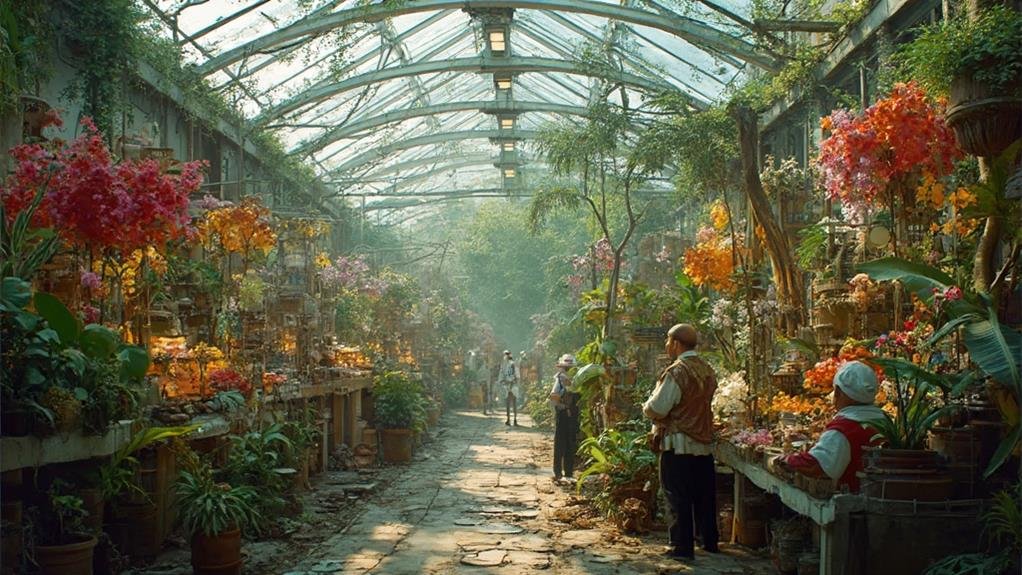
The misidentification of the rare orchid ignited a horticultural frenzy that captivated both amateur enthusiasts and seasoned botanists alike. You could feel the excitement in the air as people flocked to nurseries and botanical gardens, keen to learn more about this elusive plant.
Workshops and seminars sprang up overnight, offering insights into orchid care and cultivation techniques. You might've joined a local club, exchanging tips with fellow gardening lovers who shared your passion.
Social media buzzed with photos and stories, creating a sense of community among orchid fans. Everyone wanted to contribute to the growing knowledge about this fascinating species, fostering a culture of sharing and learning.
As you immersed yourself in this world, you discovered not just the beauty of orchids but also the importance of ethical practices in horticulture. People began discussing conservation efforts and the need to protect natural habitats, realizing that such knowledge could empower you to make a difference.
Your journey through this frenzy wasn't just about acquiring plants; it was about cultivating connections and serving a greater purpose in the botanical community. The frenzy transformed into a movement, uniting people in their love for nature and its wonders.
Impact on Collectors
Collectors found themselves at a crossroads, as the rare orchid's misidentification changed the landscape of their pursuits. Many had invested time, effort, and money into acquiring what they believed was a unique specimen, only to discover it was a common variety. This revelation sent shockwaves through the community, forcing collectors to reassess their collections and the criteria they used for identification.
As you navigate this new reality, it's crucial to focus on the relationships you've built within the collector community. Sharing knowledge and insights becomes imperative, encouraging a culture of collaboration rather than competition. You might find that forming partnerships with fellow enthusiasts can lead to more accurate identification and appreciation of true rarities, ultimately fostering a supportive environment that benefits everyone.
Moreover, this situation calls for a renewed commitment to education. By engaging with botanists and horticultural experts, you can enhance your understanding of orchids, ensuring that future acquisitions are both meaningful and authentic.
The experience serves as a reminder that passion for serving others through sharing botanical beauty can be more rewarding than simply chasing monetary value. Embracing this mindset will enrich not only your collection but also the broader community you cherish.
Lessons Learned From Mistakes
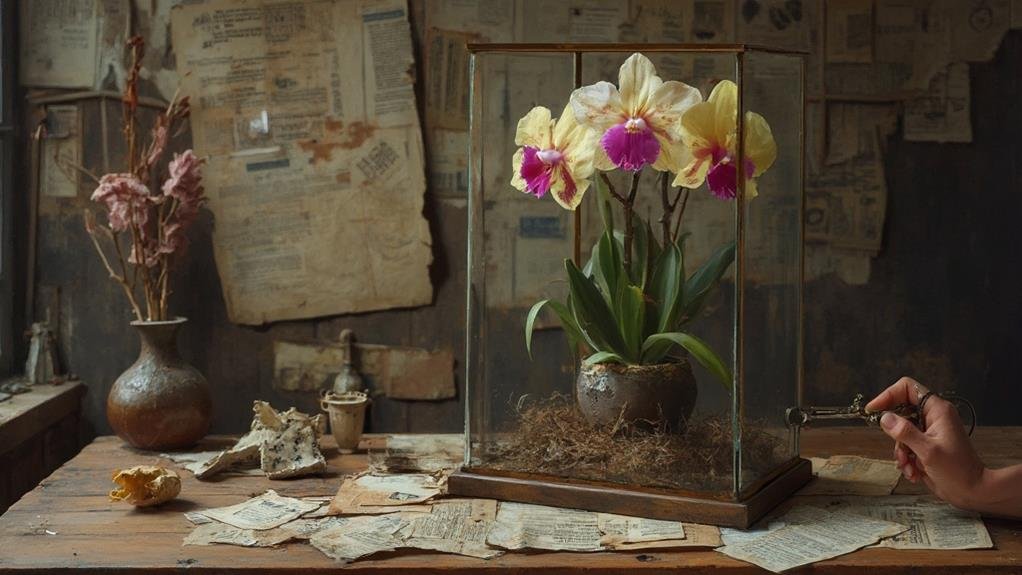
Missteps in orchid identification have taught valuable lessons that extend beyond individual collections. When you embrace the inevitability of mistakes, you open up pathways for growth and understanding. Every error can serve as a stepping stone, guiding you toward better practices and more informed decisions in your orchid journey.
Recognizing the importance of accurate identification can enhance your ability to serve fellow enthusiasts. By sharing your experiences, you not only highlight the value of diligence but also foster a community that values knowledge over competition. This collaborative spirit encourages others to learn from your missteps, promoting a culture of support and shared growth.
Moreover, these lessons encourage you to cultivate patience and resilience. Mistakes are often opportunities to deepen your appreciation for the complexities of orchid care. When you take the time to investigate and understand what went wrong, you'll be better equipped to educate others.
Ultimately, each misstep can strengthen your commitment to the orchid community and inspire others to approach their passions with humility and curiosity. Remember, it's not just about the orchids; it's about the connections and lessons you cultivate along the way.
Frequently Asked Questions
What Species of Orchid Was Involved in the Mistake?
You're curious about the orchid species tied to that famous mistake. It was the rare Cypripedium calceolus, known as the lady's slipper orchid, which captivated collectors and sparked significant interest in the world of botany.
Who Were the Key Figures in This Orchid Incident?
In this orchid incident, you'll find key figures like the botanist who discovered the rare species and the trader who misidentified it. Their actions sparked a significant debate in the orchid community, impacting many.
How Did the Media React to the Discovery?
When the discovery surfaced, you'd notice the media buzzed with excitement, sharing sensational headlines and enthralling stories. They highlighted the implications, sparking conversations that engaged readers and brought attention to the broader orchid community.
What Financial Impact Did This Mistake Have on the Orchid Industry?
This mistake considerably influenced the orchid industry, driving prices up due to increased demand and interest. You'll notice growers adapting their strategies, focusing on rare varieties, ultimately reshaping the market and benefiting many stakeholders involved.
Are There Any Documentaries About This Orchid Error?
You'll find several documentaries exploring the orchid industry and its notable errors. They highlight the challenges faced and the lessons learned, showcasing how these mistakes shaped the community and inspired better practices for future generations.
Conclusion
In the end, the million-dollar orchid mistake taught us valuable lessons about the importance of accurate species identification. You've seen how a simple blunder can spark enthusiasm and collaboration within the horticultural community. This incident not only ignited a passion for orchids but also reinforced the need for ethical practices in conservation. As you reflect on this story, remember that every mistake can lead to growth and a deeper commitment to preserving our planet's biodiversity.