
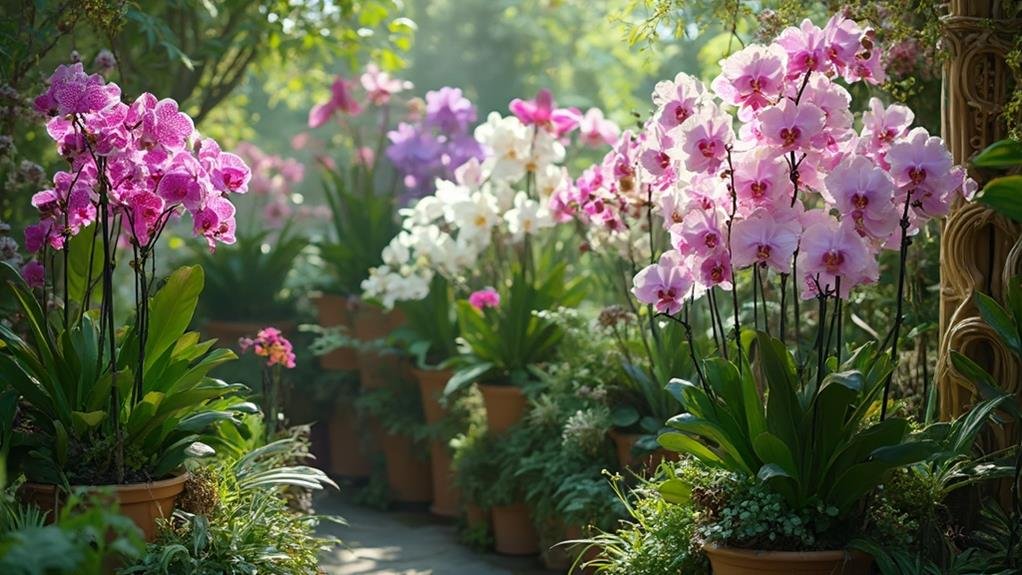
When you explore the Singapore Sling, you might find it intriguing that this iconic cocktail shares more than just a place in hospitality with orchid care techniques. By examining how both require a nuanced understanding of environment and balance, you'll uncover principles that can transform your approach to cultivating these delicate plants. As you consider the parallels between mixology and horticulture, you might wonder how these insights could elevate your own gardening practices. What if the key to thriving orchids lies in the very techniques inspired by this celebrated drink?
Key Takeaways
- The Singapore Sling originated at Raffles Hotel, showcasing Singapore's cultural heritage and innovative cocktail culture in the early 20th century.
- Ngiam Tong Boon created the drink to appeal to women, blending gin, cherry brandy, and pineapple juice for a refreshing taste.
- Proper orchid care involves creating ideal environments, such as bright, indirect light and well-draining potting mediums, essential for healthy growth.
- Innovative watering methods like self-watering pots and moisture meters help maintain optimal conditions, reducing the risk of root rot.
- Future orchid propagation may benefit from technology and community initiatives, promoting sustainable practices and preserving biodiversity.
History of the Singapore Sling
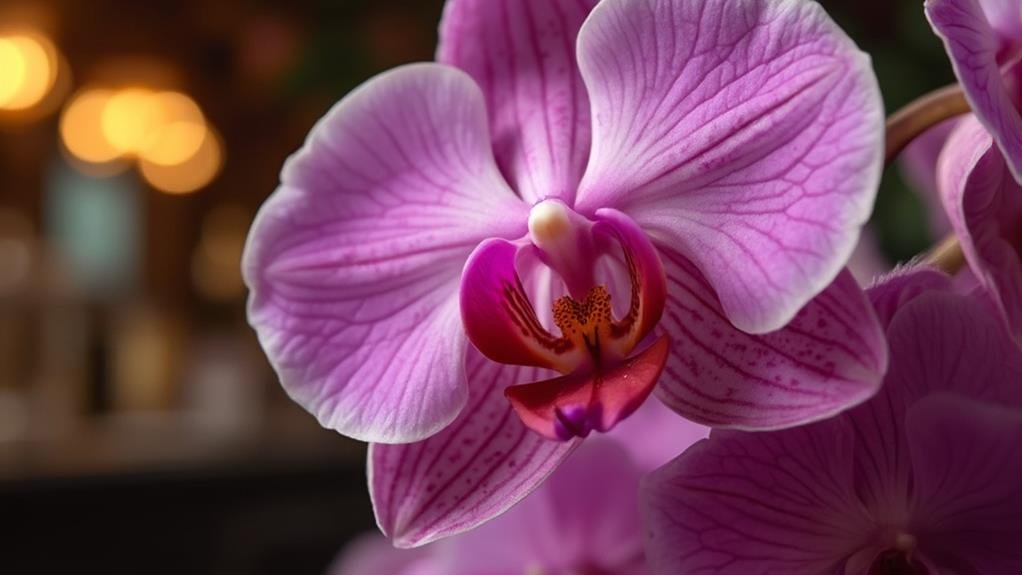
The history of the Singapore Sling is as vibrant and intriguing as the cocktail itself. You might be surprised to learn that this iconic drink dates back to the early 20th century, crafted by bartender Ngiam Tong Boon at the Raffles Hotel in Singapore.
As you explore its origins, you'll find that it was originally designed to appeal to women, allowing them to enjoy a revitalizing cocktail discreetly.
Over the years, the Singapore Sling evolved, incorporating various ingredients like gin, cherry brandy, and pineapple juice, creating a unique flavor profile. When you serve this cocktail, you're not just offering a drink; you're sharing a piece of history that reflects Singapore's rich cultural tapestry.
The cocktail gained international fame after being featured in numerous travel publications, enticing visitors to the Raffles Hotel.
As you pour a Singapore Sling, remember that you're not just mixing ingredients; you're inviting your guests to experience a taste of Singapore's heritage. Each sip embodies the spirit of hospitality that the region is known for, making it a perfect choice for your gatherings.
Key Principles of the Technique
When you apply the key principles of the Singapore Sling technique, you'll notice significant orchid growth enhancement.
This approach also incorporates innovative watering methods that optimize moisture levels.
Orchid Growth Enhancement
To enhance orchid growth effectively, understanding the key principles of the Singapore Sling technique is imperative. This innovative approach focuses on creating an ideal environment for your orchids, ensuring they thrive.
You'll want to begin by ensuring that your orchids receive adequate light. Place them in a spot where they can soak up bright, indirect sunlight, as this is essential for their growth.

Next, pay attention to the potting medium. Using a well-draining mix, such as bark or sphagnum moss, allows for proper aeration and moisture retention. This balance is critical for preventing root rot and promoting healthy growth.
Additionally, consider the temperature and humidity levels; orchids generally prefer a warm, humid environment. You might think about using a humidity tray or misting your plants regularly to achieve this.
Lastly, don't overlook the importance of fertilization. Use a balanced orchid fertilizer during the growing season to provide necessary nutrients.
Innovative Watering Methods
Maintaining the right moisture balance is essential for orchid health, and innovative watering methods can greatly enhance your care routine. One effective technique is to use self-watering pots. These pots allow your orchids to draw moisture as needed, preventing overwatering and ensuring consistent hydration.
You might also consider incorporating a moisture meter. This handy tool helps you gauge the moisture levels in your potting medium, allowing you to water only when necessary. Aim to water in the morning when temperatures are cooler, giving the leaves time to dry before nightfall, reducing the risk of rot.
Misting can be another great addition, especially in drier air environments. Lightly misting your orchids increases humidity without oversaturating the roots. Just be cautious—too much moisture can lead to fungal issues.
Lastly, try using rainwater or distilled water instead of tap water. This practice removes harmful chemicals and minerals, promoting healthier growth.
Step-by-Step Guide
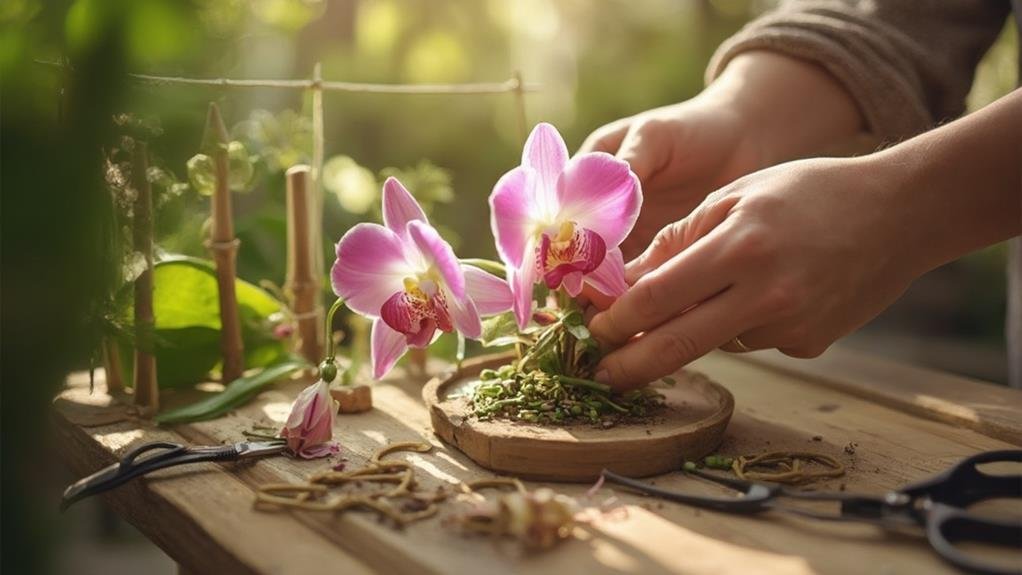
Now that you understand the key principles, it's time to gather your materials for the Singapore Sling technique.
You'll want to prepare everything carefully to guarantee the best results.
Let's walk through the preparation process and essential care tips to get your orchids thriving.
Materials Needed
Typically, you'll need a few essential materials to successfully implement the Singapore Sling orchid technique. First, gather healthy orchid plants; choose varieties that thrive in your local climate and have strong root systems.
Next, you'll need a supportive growing medium. A mix of bark, sphagnum moss, and perlite works wonders, offering excellent drainage while retaining moisture.
You'll also require appropriate containers. Opt for pots with drainage holes to prevent waterlogging, which can harm your orchids.
Additionally, invest in a high-quality orchid fertilizer, specifically designed to promote growth and flowering. This will nourish your plants while you care for them.
Don't forget a spray bottle filled with water for misting your orchids regularly, as humidity is key to their health.
Finally, you might want to have a hygrometer on hand to monitor humidity levels more accurately.
With these materials, you're well-equipped to provide your orchids the care they need. By gathering these essentials, you're not just nurturing plants; you're creating an environment where they can thrive, ultimately sharing beauty and joy with others around you.
Preparation Process
With your materials gathered, you're ready to start the preparation process for the Singapore Sling orchid technique. First, make sure your workspace is clean and organized.
Begin by carefully selecting the healthiest orchid plants from your collection. Check for any signs of damage or disease; healthy plants will yield the best results.
Next, prepare your potting medium. Mix equal parts of orchid bark, sphagnum moss, and perlite to create a well-draining mix that promotes healthy root growth. Once your medium is ready, moisten it lightly—this helps it hold together better during planting.
Now, gently remove the orchids from their current pots. Take care not to damage the roots. Trim any dead or rotting root sections with sterilized scissors to encourage new growth.
After that, place the orchids in their new pots, making certain the roots are spread out evenly and not cramped. Fill around the roots with your prepared potting medium, packing it gently to eliminate air pockets.
Care Tips
Caring for your orchids is essential for their long-term health and beauty, and following these important tips can make all the difference.
First, make sure your orchids receive adequate light. Place them near a window with indirect sunlight, as direct rays can scorch their leaves. Water them weekly, allowing the potting medium to dry slightly between waterings. This helps prevent root rot, which can be harmful.
Next, humidity is important. Aim for a humidity level of around 50-70%. If your home is dry, consider using a humidity tray or a room humidifier.
Fertilize your orchids every two weeks during the growing season with a balanced orchid fertilizer, but reduce feeding during their dormant period.
Additionally, repot your orchids every 1-2 years to refresh the potting medium and promote healthy growth.
Make sure proper airflow around your plants by spacing them adequately.
Benefits for Orchid Cultivation
How can the Singapore Sling technique transform your orchid cultivation? By implementing this innovative approach, you'll enhance the overall health and vibrancy of your orchids, ensuring they thrive in any environment.
The Singapore Sling encourages proper air circulation and moisture retention, creating an ideal growing condition for your plants. You'll notice a significant increase in flowering and growth rates, which not only beautifies your space but also allows you to share your passion with others.
As your orchids flourish, you'll gain the confidence to help fellow orchid enthusiasts, sharing tips and techniques that can elevate their cultivation skills too.
Moreover, this technique fosters a deeper connection with nature, allowing you to appreciate the delicate balance required for successful orchid care. By using the Singapore Sling, you're contributing to a sustainable approach that respects the needs of these stunning plants, benefiting both your garden and the environment.
Ultimately, adopting this method empowers you to serve others by providing them with healthy, vibrant orchids. Your dedication to cultivation will inspire those around you, creating a community that values growth, beauty, and shared knowledge.
Common Mistakes to Avoid

While the Singapore Sling technique offers numerous benefits for orchid cultivation, it's vital to steer clear of common pitfalls that can hinder your success.
One major mistake is neglecting the right potting medium. Using a standard soil mix instead of a specialized orchid mix can suffocate roots, leading to poor growth.
Another common error is overwatering. Orchids thrive on a careful balance of moisture, and too much water can cause root rot. Always check the moisture level before watering, and don't let your orchids sit in standing water.
Lighting is also important. Placing your orchids in direct sunlight can scorch their leaves, while too little light can stifle blooming. Find a bright, indirect light source to keep your plants happy.
Lastly, be cautious with fertilization. Over-fertilizing can lead to salt buildup and damage your orchids. Use a diluted orchid fertilizer and follow a consistent feeding schedule.
Expert Tips for Success
To achieve success with the Singapore Sling technique, understanding your orchids' specific needs is crucial. Start by researching the particular species you're working with, as each type has unique light, water, and nutrient requirements. Make sure to provide the right environment, guaranteeing proper humidity levels and temperatures suitable for thriving.
Next, be attentive to your orchids' growth patterns. Regularly observe them for any signs of distress or disease, and be ready to adjust your care routine accordingly. Remember, consistency is key; stick to a schedule for watering and fertilizing.
Don't forget to engage with fellow orchid enthusiasts! Sharing knowledge and experiences can provide valuable insights and foster a supportive community. Attend workshops or online forums to stay updated on best practices and innovations in orchid care.
Lastly, be patient. Growth takes time, and your orchids may need a few cycles to adapt to the Singapore Sling technique fully. Celebrate small victories along the way, and keep refining your approach to guarantee your orchids flourish.
With dedication and attention, you'll not only serve your plants but also inspire others in their orchid-keeping journey.
Future of Orchid Propagation

As you cultivate your orchids with the Singapore Sling technique, it's important to look ahead and consider the future of orchid propagation. The world of horticulture is evolving, and new methods are emerging that can enhance your efforts. Embracing technology, like tissue culture and genetic engineering, can revolutionize how you propagate orchids, ensuring healthier and more resilient plants.
You might also explore community propagation initiatives, where you can share your techniques and knowledge with fellow enthusiasts. Collaborating with local nurseries or botanical gardens can enrich your understanding and help create a sustainable orchid-growing ecosystem.
Additionally, consider the impact of environmental conservation in your propagation efforts. By focusing on native species and responsible sourcing, you can contribute to preserving biodiversity while serving your community's horticultural needs.
As you look to the future, stay informed about sustainable practices and innovative techniques that can elevate your orchid propagation journey.
Frequently Asked Questions
Can the Singapore Sling Technique Be Used for Other Plants?
You can adapt the Singapore Sling technique for other plants, but results may vary. Experimenting with different species could yield interesting outcomes, so don't hesitate to explore and share your findings with fellow plant enthusiasts.
What Tools Are Required for the Singapore Sling Method?
To use the Singapore Sling method, you'll need a sturdy support structure, quality potting medium, and appropriate containers. A pair of scissors for trimming and a watering can will also help you maintain your plants effectively.
How Often Should I Monitor My Orchids After Using This Technique?
You should monitor your orchids weekly after using the technique. This helps you catch any issues early, ensuring they thrive. Adjust your care routine as needed, and you'll see vibrant growth and beautiful blooms.
Is the Singapore Sling Suitable for Beginners in Orchid Cultivation?
Yes, it's suitable for beginners! You'll find it simplifies care and enhances growth. Just remember, with patience and practice, you'll cultivate beautiful orchids while developing your skills and confidence in this rewarding hobby.
What Is the Cost of Materials for the Singapore Sling Technique?
The cost of materials for this technique varies, but you can expect to spend around $30 to $50 for quality supplies. It's worth investing in durable materials to guarantee your success in orchid cultivation.
Conclusion
To sum up, the Singapore Sling isn't just a cocktail; it represents a transformative approach to orchid care. By understanding its principles and applying them to your cultivation methods, you'll create the perfect environment for your orchids to thrive. Remember to avoid common pitfalls and embrace expert tips for success. As you nurture these beautiful plants, you'll not only enjoy their vibrant blooms but also contribute to the future of orchid propagation. Cheers to your gardening journey!