

You might not realize how Thailand's orchid export strategy is reshaping the global floral market. By focusing on sustainable farming and innovative cultivation methods, Thai growers are not just enhancing their product quality; they're also boosting local economies and forging valuable international partnerships. This shift is drawing attention to eco-friendly practices and unique orchid varieties that consumers crave. But what challenges do these growers face, and how is this strategy setting a precedent for other countries? The answers might surprise you.
Key Takeaways
- Thailand's innovative farming techniques, including hydroponics and vertical farming, significantly enhance orchid yield and quality while conserving resources.
- Sustainable practices, such as organic farming and water conservation, improve environmental impact and appeal to eco-conscious consumers.
- International collaborations with global growers and organizations facilitate market expansion and knowledge sharing, boosting the orchid export sector.
- The growing demand for unique orchid varieties and therapeutic benefits is reshaping consumer preferences and influencing purchasing decisions.
- Emphasizing quality standards and certifications elevates the reputation of Thai orchids, creating competitive advantages in the global market.
Overview of Thai Orchid Exports

When it comes to the global flower market, Thai orchids stand out for their vibrant colors and unique varieties. You might be surprised to learn that Thailand is one of the largest exporters of orchids, contributing greatly to the country's economy.
This thriving industry not only boosts Thailand's exports but also provides employment for local farmers and communities.
In recent years, the demand for Thai orchids has surged, especially in markets like Europe, the United States, and Japan. Your appreciation for these exquisite flowers can help drive this growth, as each purchase supports sustainable farming practices and local artisans.
With an emphasis on quality and variety, you'll find that Thai orchids come in countless shapes and sizes, perfect for any occasion. Whether it's for celebrations, gifts, or home decor, these stunning blooms resonate with people around the world.
As you explore the beauty of Thai orchids, remember that your choices contribute to a larger mission of empowering local communities and preserving traditional farming methods.
Innovative Farming Techniques
Innovative farming techniques are revolutionizing the way Thai orchids are cultivated and exported. By adopting advanced methods, you can enhance productivity and quality while minimizing waste.
For instance, hydroponics allows you to grow orchids without soil, using nutrient-rich solutions instead. This not only conserves water but also accelerates growth, enabling faster turnaround times for exporting.
You're also seeing the benefits of precision agriculture. Utilizing technology, like drones and sensors, helps you monitor plant health and environmental conditions in real-time. This data-driven approach empowers you to make informed decisions, ensuring that your orchids thrive and meet international standards.
Moreover, incorporating vertical farming techniques maximizes space, allowing you to produce more orchids in a smaller area. This innovation not only boosts yield but also reduces transportation costs, making it easier to serve your clients efficiently.

Sustainable Practices in Cultivation
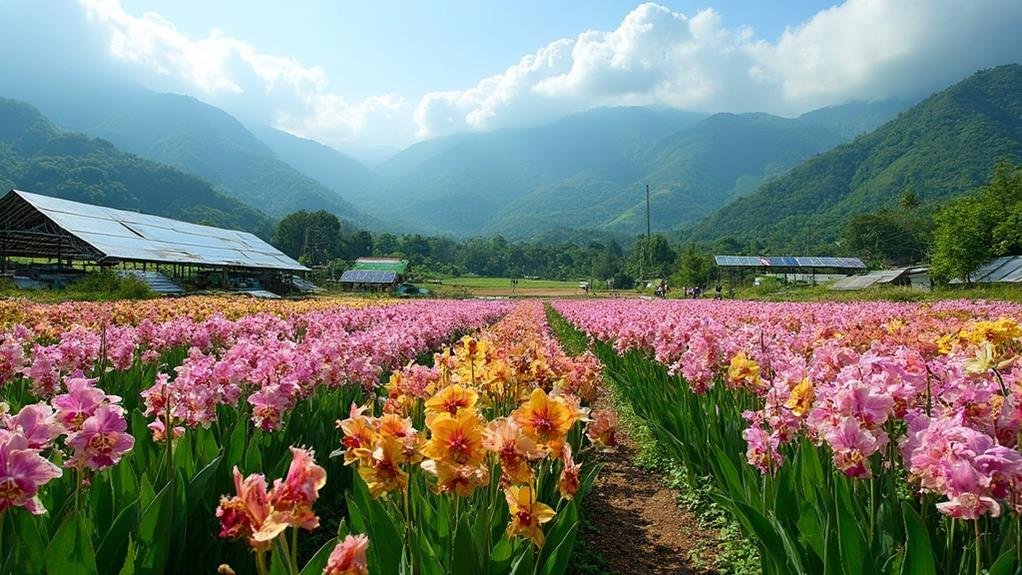
When you think about sustainable practices in orchid cultivation, organic farming techniques and water conservation methods are essential.
Implementing these strategies not only helps protect the environment but also enhances the quality of your orchids.
Organic Farming Techniques
Organic farming techniques play an essential role in cultivating Thai orchids sustainably. By focusing on natural methods, you help preserve the environment while enhancing the quality of your orchids.
You can start by using organic fertilizers, like compost or well-rotted manure, which enrich the soil without harmful chemicals. This approach not only nourishes your plants but also supports beneficial microorganisms that promote healthy growth.
Another effective technique is implementing integrated pest management. Instead of relying on synthetic pesticides, you can introduce natural predators, such as ladybugs, to control pest populations. This method reduces chemical exposure, ensuring a safer environment for both your orchids and the surrounding ecosystem.
Crop rotation is another sustainable practice you can adopt. By alternating the types of orchids you grow in a particular area, you can prevent soil depletion and reduce disease risks.
Additionally, mulching with organic materials helps retain moisture and suppress weeds, creating a thriving habitat for your orchids.
Water Conservation Methods
Water conservation methods are vital in sustainably cultivating Thai orchids, especially in regions with limited water resources. By implementing efficient irrigation systems, like drip irrigation, you can minimize water waste and guarantee that each plant receives the right amount of moisture. This technique allows you to deliver water directly to the roots, reducing evaporation and runoff.
You might also consider using rainwater harvesting systems. Collecting rainwater not only provides a natural water source but also helps you lower costs and rely less on municipal supplies.
Additionally, mulching around your orchids can retain soil moisture, reducing the need for frequent watering.
Monitoring soil moisture levels is significant, too. By using moisture sensors, you can determine when your orchids truly need water, preventing overwatering and promoting healthier plants.
Quality Standards in Orchid Production
When it comes to producing high-quality orchids, you'll want to focus on effective cultivation techniques and practices.
You'll also need to implement strong pest management strategies to protect your plants.
Cultivation Techniques and Practices
To secure high-quality standards in orchid production, growers must adopt effective cultivation techniques and practices that meet industry standards.
Start by choosing the right orchid varieties suited for your climate and market demands. Confirm you provide ideal growing conditions—adequate light, humidity, and temperature are essential. Using high-quality growing mediums, like bark or coconut coir, will support healthy root development.
Watering practices play an important role, so be careful not to overwater, as this can lead to root rot. Instead, establish a consistent schedule that allows the medium to dry slightly between waterings.
Fertilization is equally important; use balanced fertilizers to promote robust growth and vibrant blooms. Pay attention to the specific nutrient requirements of each orchid variety.
Regular monitoring of plant health is indispensable. Inspect for any signs of stress or disease, and maintain cleanliness in your growing area to prevent contamination.
Finally, implementing proper spacing between plants will improve air circulation, reducing the risk of fungal infections.
Pest Management Strategies
Effective pest management is essential for maintaining the quality standards in orchid production. When you cultivate orchids, you'll face challenges from pests like aphids, spider mites, and mealybugs. Implementing a proactive pest management strategy not only protects your orchids but also guarantees you're serving your customers with the best possible product.
Start by regularly inspecting your plants. Catching infestations early can save you time and resources. You can also use integrated pest management (IPM) techniques, which combine biological, cultural, and chemical controls.
For instance, introducing beneficial insects like ladybugs can naturally reduce pest populations. Additionally, maintaining proper sanitation in your growing area can prevent pest outbreaks.
You might also consider using organic pesticides as a last resort, assuring minimal harm to beneficial insects and the environment. Implementing these practices not only enhances the health of your orchids but also aligns with the growing consumer demand for sustainable products.
Certification and Compliance Standards
Ensuring your orchids meet certification and compliance standards is essential for maintaining quality and gaining consumer trust. By adhering to these standards, you not only elevate your product but also enhance the reputation of Thai orchids in the global market.
Start by familiarizing yourself with the specific requirements set by international bodies such as the International Organization for Standardization (ISO) and local regulations.
You'll want to implement rigorous quality control measures throughout your production process. This means regularly inspecting your orchids for health and liveliness, ensuring that they're free from pests and diseases.
Keeping detailed records of your practices can demonstrate your commitment to quality and compliance.
Consider obtaining certifications like GlobalG.A.P. or USDA Organic, which signal to consumers that your products meet high standards. These certifications can open doors to new markets and increase consumer confidence in your brand.
In addition, engage in continuous education about evolving standards and best practices. By staying informed and proactive, you'll serve your customers better, ensuring they receive the highest quality orchids.
Ultimately, your dedication to certification and compliance not only benefits your business but also enriches the entire orchid industry.
International Partnerships and Collaborations
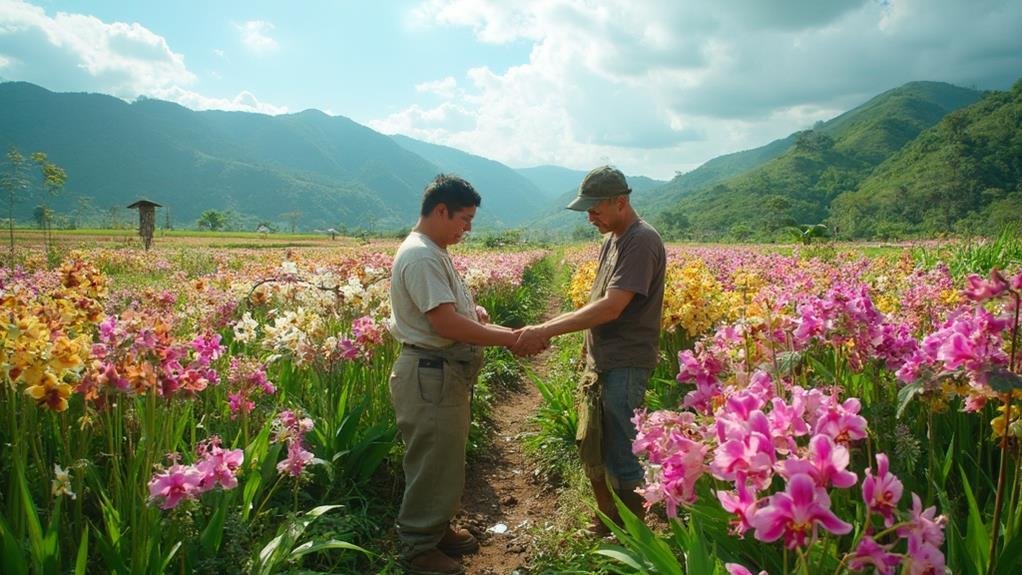
International partnerships and collaborations play an essential role in enhancing Thailand's orchid export strategy. By joining forces with international growers, distributors, and researchers, you create a strong network that fosters innovation and efficiency.
These partnerships allow you to share knowledge and resources, ensuring that everyone benefits. When you collaborate with global experts, you not only improve your product quality but also gain insights into market trends and consumer preferences.
Engaging with international organizations helps you access new markets and establish a presence in diverse regions. You can leverage these relationships to showcase Thailand's unique orchid varieties, emphasizing their beauty and cultural significance.
By participating in global trade shows and exhibitions, you can connect with potential buyers and expand your reach.
Moreover, these collaborations often lead to joint research initiatives that focus on sustainable practices, ensuring that you remain competitive while protecting the environment.
When you work together with partners from different backgrounds, you foster a sense of community and shared purpose.
Ultimately, by embracing international partnerships, you're not just boosting the orchid industry; you're also contributing to a more interconnected and supportive global network.
Economic Impact on Local Communities
The Thai orchid export strategy creates job opportunities that boost local economies and provide income diversification for farmers.
You'll see how these jobs not only support individual families but also spark community development initiatives.
Job Creation Opportunities
Thai orchid exports are creating numerous job opportunities that greatly boost local economies. As these exports expand, you'll notice a ripple effect within your community. Local farmers, skilled laborers, and entrepreneurs are finding new roles in the orchid supply chain, from cultivation to packaging and distribution.
This growth not only enhances employment rates but also fosters a sense of pride and purpose among workers. You may see local nurseries hiring more hands to care for these exquisite plants, and farmers investing in training to improve their techniques.
The demand for orchids opens doors for artisans and service providers, such as transport companies and marketing specialists, who can help showcase these beautiful products on a global stage.
Moreover, as job opportunities multiply, families gain financial stability, allowing them to invest in education, healthcare, and other essential services. When you support the orchid export industry, you're actively contributing to a brighter future for your community.
Income Diversification for Farmers
Orchid farming offers farmers a fantastic opportunity to diversify their income, reducing dependence on traditional crops. By embracing this vibrant industry, you can tap into both local and international markets, ultimately enhancing financial stability for yourself and your community.
Instead of relying solely on rice or corn, you can cultivate stunning orchids that command premium prices. This shift not only benefits your wallet but also contributes to the economic resilience of your community.
When you invest in orchid farming, you're creating new job opportunities for your neighbors, fostering a spirit of collaboration and support. As your income grows, you can reinvest in your farm, improving infrastructure and adopting sustainable practices that benefit the environment.
Moreover, by engaging in orchid farming, you're helping to promote Thailand's rich cultural heritage. Your flowers become ambassadors of your community, showcasing the beauty and craftsmanship of local artisans.
This connection fosters pride and encourages others to participate, creating a ripple effect of positive change.
Community Development Initiatives
Engaging in orchid farming not only boosts individual farmer income but also greatly impacts local communities through various development initiatives. When you support local orchid growers, you're investing in projects that enhance education, healthcare, and infrastructure. These initiatives create a ripple effect, uplifting the entire community.
For instance, increased revenue from orchid exports often leads to better schools and vocational training programs. As farmers gain skills in sustainable practices, they not only improve their own livelihoods but also teach others, fostering a culture of knowledge-sharing.
You'll see community members coming together to support one another, creating a robust network of collaboration and mutual aid.
Moreover, as local economies grow, healthcare facilities often improve, providing essential services that many previously lacked. This focus on community health guarantees that everyone benefits from the economic growth spurred by orchid farming.
Challenges Facing Thai Growers
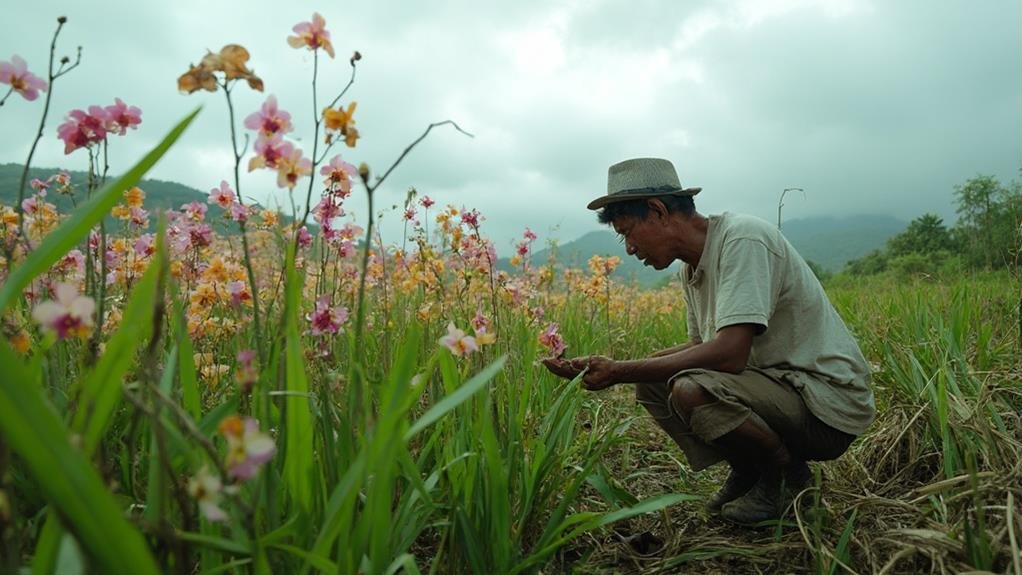
While the beauty of orchids attracts global demand, growers in Thailand face significant challenges that can hinder their success.
One major issue is climate variability. Unpredictable weather patterns, such as droughts or heavy rains, can impact crop yield and quality, forcing you to adapt quickly. Additionally, the rising cost of inputs like fertilizers and pest control measures puts financial strain on your operations.
Labor shortages also pose a significant hurdle. Many younger workers are leaving rural areas for urban jobs, making it tough to find skilled labor. You may need to invest in training programs or find innovative ways to attract and retain workers.
Furthermore, competition from other countries with lower production costs can undermine your market position.
Global Market Trends for Orchids
There's a growing fascination with orchids worldwide, creating exciting opportunities for exporters. As you explore the global market, you'll notice an increasing demand for unique and exotic varieties. Consumers are seeking not just beauty, but also the therapeutic benefits these stunning flowers offer. This trend is an invitation for you to connect with buyers who value quality and sustainability.
With the rise of e-commerce, selling orchids online has become easier than ever. You can reach a broader audience, tapping into markets that were previously inaccessible. In addition, social media platforms are buzzing with floral enthusiasts enthusiastic to showcase their collections. Engaging with this community can foster loyalty and boost your brand's visibility.
Regions like Europe and North America are consistently showing a preference for high-quality orchids, especially premium varieties. By understanding these preferences, you can tailor your offerings to meet specific consumer needs.
Furthermore, sustainability is becoming a key factor in purchasing decisions. By emphasizing eco-friendly practices in your production, you'll not only appeal to conscientious consumers but also contribute positively to the environment.
Embrace these trends, and you'll be well on your way to making a meaningful impact in the orchid export market.
Lessons for Other Exporters
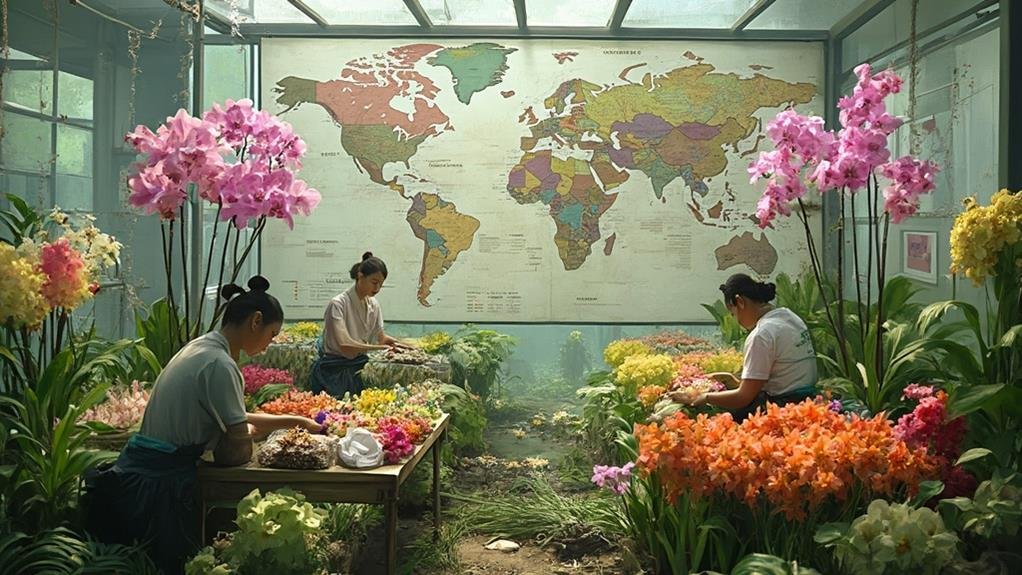
The growing demand for unique and sustainable orchids offers valuable insights for other exporters looking to carve out their niche in the market.
First, focus on quality. Guarantee that your products stand out by maintaining high standards in cultivation and packaging. Customers appreciate excellence and are more likely to return for future purchases.
Next, embrace sustainability. Consumers are increasingly conscious of their environmental impact, so adopting eco-friendly practices can give you a competitive edge. Consider implementing sustainable farming methods and reducing waste, which not only benefits the planet but also resonates with your customer base.
Additionally, build strong relationships with your buyers. Communication is key—listen to their needs and adapt to their preferences. This approach fosters loyalty and encourages word-of-mouth referrals.
The Future of Orchid Exports
As the world embraces a greener future, orchid exports are poised for significant growth. You'll find that the demand for sustainable and locally sourced flowers is rising, and orchids are leading the way.
By focusing on eco-friendly cultivation practices, you can guarantee that your orchids not only bloom beautifully but also contribute positively to the environment.
Investing in innovative technologies is another key to success. With advancements in transportation and logistics, you'll be able to reach global markets more efficiently. This means you can share your high-quality orchids with flower enthusiasts who appreciate their beauty and sustainability.
Moreover, collaborating with local communities and growers can enhance your export strategy. By empowering others, you create a network of support that benefits everyone involved.
It's not just about profits; it's about cultivating relationships and giving back to the communities that nurture these exquisite plants.
Frequently Asked Questions
What Are the Most Popular Orchid Species Exported From Thailand?
When you explore Thailand's orchid exports, you'll find that the most popular species include Phalaenopsis, Dendrobium, and Cattleya. These stunning orchids captivate enthusiasts and serve as perfect gifts for loved ones.
How Does Climate Affect Orchid Cultivation in Thailand?
Climate greatly impacts your orchid cultivation in Thailand. Temperature, humidity, and rainfall influence growth patterns, flowering, and overall health. You'll need to adapt your care routines to guarantee vibrant blooms and robust plants throughout the seasons.
What Role Does Technology Play in Orchid Breeding?
Technology streamlines orchid breeding by enhancing genetic analysis, improving propagation techniques, and optimizing growing conditions. You can leverage these advancements to cultivate healthier plants, increase yields, and ultimately serve your customers better with exceptional blooms.
Are There Any Certifications Required for Exporting Thai Orchids?
Yes, you'll need certifications like CITES for endangered species and phytosanitary certificates to guarantee plants are pest-free. It's essential to comply with local regulations to successfully export Thai orchids and serve your customers well.
How Do Thai Orchids Compare to Those From Other Countries?
Thai orchids often stand out for their vibrant colors and unique shapes compared to those from other countries. You'll appreciate their resilience and beauty, making them a favored choice for floral arrangements and gifts.
Conclusion
To sum up, Thailand's orchid export strategy is setting a new standard in the industry. By embracing innovative farming techniques and sustainable practices, you're not only enhancing the quality of orchids but also supporting local communities. The strong international partnerships further boost your position in the global market. As you navigate challenges and adapt to market trends, you're paving the way for a brighter future in orchid exports, inspiring others to follow suit and prioritize sustainability.