
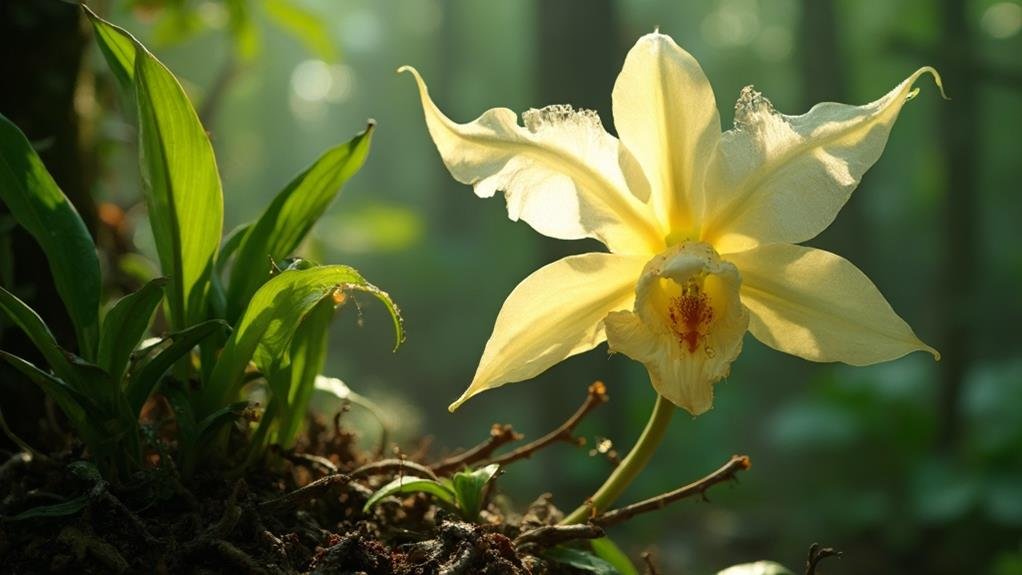
You might think you know everything about vanilla, but the recent Vanilla Orchid Study is challenging long-held beliefs and altering the landscape of this beloved crop. By pinpointing genetic markers that enhance both disease resistance and flavor, the research offers promising insights for farmers and consumers alike. As sustainable practices take center stage, the effects ripple through local economies and ecosystems. So, what does this mean for the future of vanilla farming and the communities that rely on it? The answers could reshape not just the industry, but your culinary experiences as well.
Key Takeaways
- The study identifies genetic markers that enhance disease resistance and flavor profiles, revolutionizing vanilla cultivation practices.
- Insights into growth rates and climate adaptability allow for optimized yields and broader cultivation opportunities.
- Emphasis on genetic diversity promotes resilience, leading to healthier crops and unique flavor development in vanilla beans.
- Sustainable farming practices derived from the study support local economies and environmentally friendly cultivation methods.
- Research findings empower farmers with knowledge for ethical sourcing, elevating culinary experiences and consumer preferences for quality vanilla.
Overview of Vanilla Orchids
Have you ever wondered what makes vanilla orchids so unique? These delicate plants not only produce the beloved vanilla bean but also play an essential role in ecosystems. Understanding their growth can empower you to help cultivate these beautiful flowers, fostering both beauty and sustainability in your community.
Vanilla orchids thrive in warm, humid environments and require specific conditions to flourish. They climb and attach themselves to trees, making a supportive structure crucial for their growth. By learning how to create these ideal conditions, you can contribute to their propagation and promote biodiversity.
Growing vanilla orchids encourages responsible cultivation practices, which not only benefit the environment but also support local economies.
In addition, vanilla orchids are fascinating because they've a unique pollination process. Most varieties rely on specific pollinators, like certain bees, to reproduce. By educating yourself and others about these plants, you can inspire a greater appreciation for their role in nature.
This knowledge can lead to initiatives that protect their habitats and promote conservation efforts. Together, you can make a meaningful impact, ensuring that the beauty and flavor of vanilla orchids continue to enrich our lives for generations to come.
Historical Beliefs About Cultivation
When you explore the historical beliefs about vanilla orchid cultivation, you'll uncover ancient techniques that have shaped its farming.
Many cultures also developed intriguing myths surrounding the growth of these orchids, believing they held special powers.
Understanding these perspectives can give you a richer appreciation for the vanilla you enjoy today.
Ancient Cultivation Techniques
Throughout history, the cultivation of vanilla orchids has been steeped in ancient techniques and beliefs that shaped how these plants were nurtured.

You'll find that indigenous communities, particularly in Mexico, developed practices that emphasized harmony with nature. They believed that the health of the plants was intrinsically tied to their environment, so they carefully selected planting locations that offered the right balance of sun and shade.
These ancient cultivators often used companion planting, pairing vanilla orchids with specific trees to provide support and protection. They understood that these trees not only helped the vines climb but also created a microclimate that fostered growth.
You might appreciate how they utilized natural fertilizers, such as decomposed organic matter, to enrich the soil without harming the ecosystem.
Moreover, their rituals often centered around respect for the land and its resources. They recognized that by nurturing the vanilla orchids and caring for the environment, they could guarantee a sustainable harvest.
These techniques remind us of the importance of stewardship and the interconnectedness of all living things—a philosophy that continues to inspire modern cultivation practices today.
Myths Surrounding Growth
Many myths have surrounded the growth of vanilla orchids, reflecting the deep-rooted beliefs of ancient cultivators. You might've heard that these orchids only thrive in certain mystical conditions, but that's far from the truth.
While they do require specific temperatures and humidity levels, they can adapt to various environments if cared for properly.
Another common myth is that vanilla orchids are incredibly difficult to cultivate. While they do have unique needs, anyone can grow them with a bit of patience and dedication.
It's all about understanding their requirements and providing the right support.
You might also believe that vanilla orchids only produce beans in the wild. In reality, with proper pollination techniques and care, you can harvest beans right in your own garden.
This empowerment allows you to serve others, sharing your homegrown vanilla with friends and family.
Key Findings of the Study

In this study, you'll uncover groundbreaking genetic discoveries that could reshape how we think about vanilla orchids.
These findings not only enhance our understanding of the plant but also have significant implications for the culinary industry.
Let's explore how these advancements could influence everything from flavor profiles to production methods.
Groundbreaking Genetic Discoveries
Amidst the intricate world of vanilla orchids, researchers have uncovered groundbreaking genetic discoveries that could revolutionize cultivation practices. You'll be excited to learn that these findings highlight the genetic markers responsible for disease resistance and flavor profile enhancement. By understanding these markers, you can help farmers select the best plants for cultivation, ensuring a healthier and more sustainable vanilla supply.
Moreover, the study identified specific genes linked to growth rates, enabling you to guide growers in optimizing their yields. This means that, with the right knowledge, you can empower communities to produce more vanilla while reducing the time and resources needed for cultivation.
Investigating the orchid's genome also revealed insights into its adaptation to various climates, which is essential for expanding cultivation into regions previously deemed unsuitable. By sharing this information, you can play an important role in promoting biodiversity and creating opportunities for smallholder farmers to thrive.
Ultimately, these groundbreaking genetic discoveries equip you with the tools to support sustainable practices that benefit both the environment and communities. Embracing these advancements means nurturing not just the plants but the lives of those who depend on them.
Impact on Culinary Industry
The culinary industry stands to benefit greatly from the key findings of the vanilla orchid study. By revealing the genetic secrets of vanilla, you can now source higher-quality beans with more intense flavors. This means the dishes you create will offer richer, more aromatic experiences for your guests.
Imagine serving desserts that truly capture the essence of vanilla, elevating your culinary creations to new heights.
Moreover, the study highlights sustainable farming practices that can help you support local farmers while ensuring the longevity of vanilla crops. By choosing ethically sourced vanilla, you not only enhance your menu but also contribute to a more sustainable culinary landscape.
Your commitment to quality and sustainability will resonate with customers who value responsible dining.
Additionally, as the study encourages diversification in vanilla cultivation, you can explore unique varieties that can become signature elements in your cuisine. This opens up new avenues for creativity, allowing you to craft innovative recipes that surprise and delight.
Embracing these findings can set you apart in a competitive market, ensuring you provide memorable dining experiences that keep your guests coming back for more.
Impact on Genetic Diversity
Genetic diversity plays an essential role in the resilience and adaptability of vanilla orchids. When you embrace this diversity, you're not just supporting the plants; you're helping the communities that rely on them.
The findings from the vanilla orchid study highlight how varied genetic traits contribute to the plants' ability to withstand pests and diseases. This means that when you support efforts to preserve and enhance genetic diversity, you're enabling communities to cultivate healthier crops, which can lead to more stable livelihoods.
Moreover, by fostering a diverse gene pool, you're also promoting the potential for new flavors and aromas in vanilla. This innovation can inspire chefs and home cooks alike, allowing you to serve dishes with unique profiles that delight and surprise.
As you advocate for genetic diversity, consider how it empowers smallholder farmers to adapt to changing climates and market demands.
Every effort counts. By understanding the significance of genetic diversity in vanilla orchids, you're contributing to a sustainable future for both the plants and the people who depend on them.
Together, we can guarantee that vanilla remains a cherished ingredient for generations to come.
Implications for Vanilla Farming
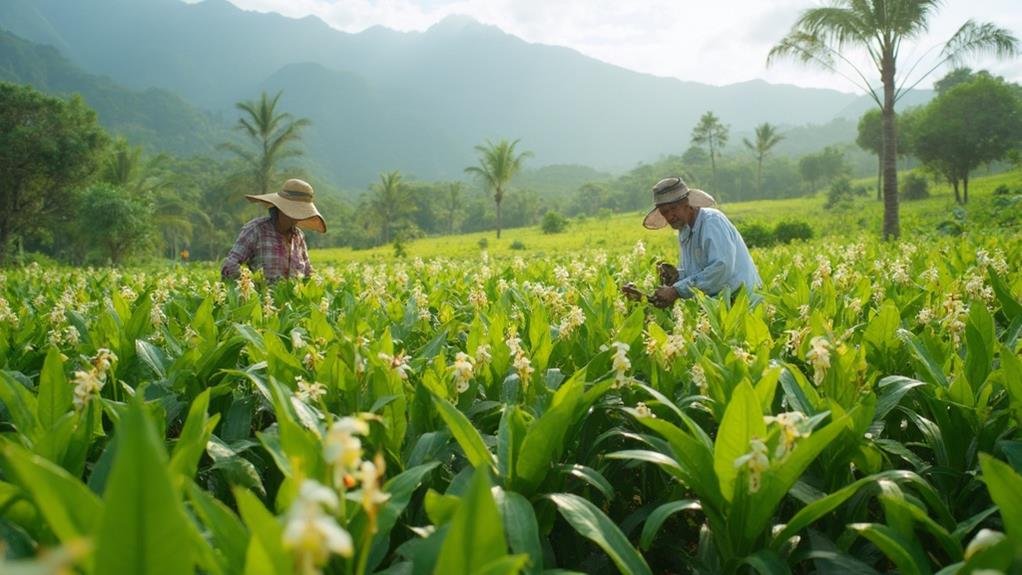
When you think about vanilla farming, consider how sustainable practices can shape the future of the industry.
Understanding the importance of genetic diversity not only helps maintain healthy crops but also boosts economic stability.
Let's explore how these factors intertwine to create a more resilient vanilla farming landscape.
Sustainable Farming Practices
Embracing sustainable farming practices can greatly impact vanilla farming, enhancing both crop yield and environmental health. By adopting these methods, you not only contribute to the longevity of the vanilla industry but also support local ecosystems and communities.
Techniques like intercropping and organic pest management can reduce reliance on harmful chemicals, protecting the land and water sources that your farm depends on.
You can also invest in agroforestry, integrating vanilla orchids with native trees. This approach improves biodiversity, fosters natural pollination, and offers shade, which is essential for healthy vanilla growth.
Additionally, practicing soil conservation techniques—such as cover cropping and reduced tillage—will maintain soil health and fertility, ensuring that your crops thrive for years to come.
It's vital to engage with local farmers and organizations to share knowledge and resources. By collaborating, you can create a network that prioritizes sustainable methods, benefiting not just your farm but the entire community.
Ultimately, committing to sustainable practices leads to a more resilient vanilla farming system, showcasing your dedication to both quality and the well-being of the planet. Together, we can cultivate a future that serves both people and nature.
Genetic Diversity Importance
Diversity in vanilla orchids plays an essential role in the sustainability and resilience of vanilla farming. By cultivating a variety of genetic strains, you're not just enhancing the flavor and quality of your harvest, but also building a more robust ecosystem.
This genetic diversity allows plants to adapt to changing environmental conditions, such as climate variability and pest pressures, ensuring that your crops thrive even in challenging circumstances.
When you embrace genetic diversity, you're also supporting the future of vanilla farming for generations to come. By planting different varieties, you reduce the risk of widespread crop failures due to disease or environmental shifts.
This proactive approach not only safeguards your livelihood but also promotes biodiversity, which benefits the larger agricultural community.
Additionally, working with diverse vanilla strains can improve pollination, as different varieties attract various pollinators.
This holistic approach fosters a healthier environment for your crops, benefiting both you and the local ecosystem.
Ultimately, championing genetic diversity in vanilla orchids empowers you to create a more sustainable and resilient farming practice, ensuring that the beauty and richness of vanilla can be shared with others far into the future.
Economic Impact Analysis
The genetic diversity you've cultivated in your vanilla orchids not only strengthens the ecosystem but also has significant economic benefits for your farming operations. By fostering a rich variety of vanilla species, you enhance resilience against pests and diseases, reducing the need for costly chemical interventions. This translates to lower production costs and higher profit margins, allowing you to invest back into your community or support other local farmers.
Moreover, diverse vanilla varieties can meet the growing demand for unique flavors in the culinary market. As consumer preferences shift towards artisanal and sustainably sourced products, your orchids can cater to niche markets, potentially commanding premium prices. This economic strategy not only boosts your income but also promotes ethical consumption, helping to uplift local economies.
Additionally, embracing sustainable practices can open doors to certifications, attracting eco-conscious consumers. These certifications often lead to better market access and increased sales.
In this way, your commitment to genetic diversity doesn't just enrich your crops; it fosters a thriving community. By prioritizing both economic growth and environmental stewardship, you're creating a legacy that benefits everyone involved in the vanilla supply chain.
Sustainable Production Methods
Sustainable production methods play an essential role in the cultivation of vanilla orchids, guaranteeing that this valuable crop can thrive without depleting natural resources. By adopting eco-friendly practices, you can support both the environment and the communities that rely on vanilla farming for their livelihoods.
First, consider using organic fertilizers and pest control methods. These practices not only protect the health of the soil but also minimize the impact on local ecosystems.
You might also explore agroforestry techniques, where vanilla plants grow alongside shade-providing trees. This method enhances biodiversity and helps maintain soil moisture, which is vital for orchid growth.
Additionally, engaging in fair trade practices guarantees that farmers receive a fair wage for their hard work. By choosing to support producers who prioritize sustainability, you contribute to a healthier planet and empower communities to thrive.
Lastly, educating yourself and others about the importance of sustainable vanilla production can lead to greater demand for responsibly sourced products.
Together, you and your community can create a positive ripple effect that promotes environmental stewardship and social responsibility. Your choices matter—make them count for the future of vanilla cultivation.
Economic Effects on the Market
In recent years, shifts in consumer preferences and global trade dynamics have significantly influenced the vanilla market. You might've noticed that more people are seeking ethically sourced and sustainably produced vanilla. This demand is pushing producers to adopt better practices, which not only benefits the environment but also enhances the quality of the product.
As a result, you're likely to see an increase in the price of high-quality vanilla, reflecting its true value. However, this rising cost can have mixed effects. While premium vanilla can yield better profits for farmers, it also challenges small businesses and consumers who may not afford these prices.
You may find that artisanal brands are becoming more popular, as they often focus on sustainability and fair trade, appealing to consumers who care about their purchasing choices.
Moreover, fluctuations in global trade policies can impact vanilla prices, leading to uncertainty in the market. By staying informed about these trends, you can make choices that support sustainable practices and help foster a more equitable vanilla industry.
Your decisions can contribute to a market that values quality and ethics, ultimately benefiting everyone involved.
Future Research Directions
Numerous avenues for future research in vanilla cultivation and market dynamics could greatly enhance the industry's sustainability and profitability.
You might explore innovative farming practices that reduce environmental impact while increasing yield. Investigating organic cultivation methods could attract health-conscious consumers and create a niche market for ethically sourced vanilla.
Another key area is the development of disease-resistant vanilla varieties. By collaborating with geneticists and agronomists, you can contribute to a more resilient crop, ensuring stability for farmers facing climate change challenges.
Additionally, researching fair trade practices can help empower local farmers, ensuring they receive fair compensation and fostering community development.
Understanding consumer preferences is also essential. Conducting market studies can help identify trends and inform producers on how to align their offerings with consumer demands.
You can also examine alternative uses for vanilla, such as in cosmetics or pharmaceuticals, potentially opening new revenue streams.
Case Studies of Success
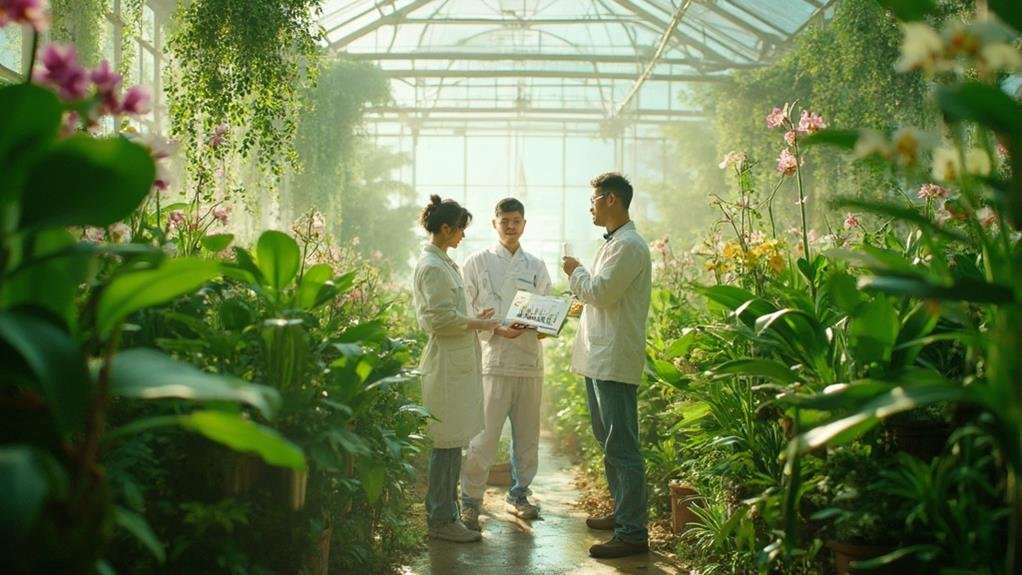
Exploring successful case studies in vanilla cultivation reveals practical applications of the innovative strategies discussed earlier.
For instance, reflect on a cooperative in Madagascar that adopted sustainable farming techniques. By integrating organic practices and community training programs, they not only increased their vanilla yield but also improved the quality. This cooperative model fosters collaboration and empowers local farmers to take ownership of their production.
Another case to highlight is a small farm in Indonesia that implemented agroforestry systems. By planting vanilla alongside fruit trees, they created a biodiverse ecosystem that enhanced soil health and provided shade for the orchids. The farm's success not only boosted its income but also demonstrated the potential for environmental sustainability.
These examples show how you can apply innovative strategies in vanilla cultivation to achieve remarkable results.
By focusing on community involvement and sustainable practices, you can uplift others while ensuring the future of vanilla farming. Each case study serves as a proof of the power of collaboration and innovation, inspiring you to reflect on how similar approaches could benefit your own endeavors in the vanilla industry.
Together, you can create a positive impact that resonates well beyond the farm.
Community and Environmental Benefits
While cultivating vanilla can be a profitable venture, it also offers significant community and environmental benefits that extend far beyond the farm. When you engage in vanilla farming, you contribute to local economies by creating jobs and supporting farmers' livelihoods. This investment in your community fosters a sense of unity and encourages sustainable practices that can uplift entire regions.
Moreover, vanilla cultivation promotes biodiversity. By planting vanilla orchids alongside other crops, you help to maintain healthy ecosystems, supporting various plant and animal species. This intercropping method prevents soil erosion and enhances soil fertility, ensuring that the land remains productive for years to come.
You're also playing an essential role in preserving traditional farming methods and cultural heritage. By educating others about sustainable practices, you empower your community to take pride in their agricultural heritage while adapting to modern demands.
In essence, your commitment to vanilla farming isn't just about profits; it's about nurturing community ties and caring for the environment. By choosing to cultivate vanilla, you're making a positive impact that resonates well beyond your farm's boundaries.
Frequently Asked Questions
What Inspired the Researchers to Conduct This Study on Vanilla Orchids?
You might find the researchers inspired by a desire to uncover the unique properties of vanilla orchids. Their passion for understanding these plants' potential benefits likely drove them to explore new avenues for service and sustainability.
How Can Individuals Contribute to Vanilla Orchid Conservation Efforts?
You can contribute to vanilla orchid conservation by supporting sustainable farming practices, participating in local restoration projects, educating others about their importance, and advocating for policies that protect their habitats. Every small effort counts!
What Are the Common Pests Affecting Vanilla Orchids?
Common pests affecting vanilla orchids include aphids, thrips, and mealybugs. You can help by regularly inspecting your plants, maintaining proper hygiene, and using natural pest control methods. Staying proactive keeps your orchids healthy and thriving.
Are There Any Health Benefits Associated With Vanilla Orchids?
Yes, vanilla orchids offer health benefits. They're rich in antioxidants, which boost your immune system and reduce inflammation. Plus, their soothing aroma can enhance mood and promote relaxation, making them a wonderful addition to your wellness routine.
How Does Climate Change Affect Vanilla Orchid Growth and Production?
Climate change impacts vanilla orchids considerably. You'll notice altered temperatures and unpredictable rainfall affecting their growth. By understanding these changes, you can support sustainable practices that help preserve these plants and the livelihoods of those who cultivate them.
Conclusion
To sum up, the Vanilla Orchid Study is transforming vanilla cultivation and its surrounding communities. By uncovering genetic markers for disease resistance and flavor enhancement, it empowers farmers to adapt to a changing environment while promoting economic growth. Emphasizing genetic diversity not only boosts resilience but also encourages sustainable practices. As this research unfolds, you'll see a brighter future for vanilla, where innovation meets responsibility, benefiting both consumers and the planet.