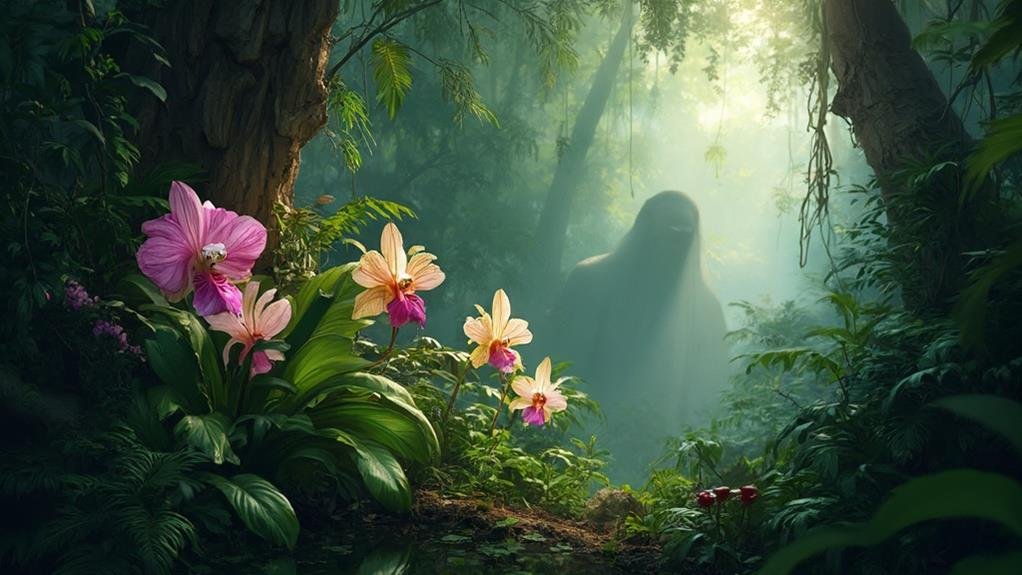

When considering the vast array of orchid species in Southeast Asia, the diversity and beauty of Vanda Miss Joaquim stand in stark contrast to the understated elegance of Dendrobium Crumenatum.
Each of the top 10 orchid species in this region holds its own unique allure, captivating enthusiasts and researchers alike. From the striking colors of Paphiopedilum Rothschildianum to the intricate patterns of Phalaenopsis Amabilis, these orchids offer a glimpse into the rich botanical heritage of Southeast Asia.
Explore further to uncover the hidden gems waiting to be discovered within this captivating list.
Vanda Miss Joaquim
When exploring the top orchid species in Southeast Asia, you'll find Vanda Miss Joaquim stands out for its vibrant colors and unique charm. This stunning orchid, also known as the Singapore orchid, is a hybrid between Vanda teres and Vanda hookeriana. Its petals showcase a lovely blend of purple, pink, and white hues, creating a mesmerizing sight for any orchid enthusiast.
Vanda Miss Joaquim is revered not only for its beauty but also for its resilience. It thrives in various climates, making it a popular choice for orchid growers in the region. Its long, sturdy stems bear multiple flowers, each exuding a delightful fragrance that fills the air.
In addition to its visual appeal, Vanda Miss Joaquim holds historical significance. It was chosen as Singapore's national flower in 1981, symbolizing the country's vibrant multicultural heritage. This orchid's elegance and adaptability make it a true gem in the rich tapestry of Southeast Asian orchid species.
Dendrobium Crumenatum
Dendrobium Crumenatum, a striking orchid species native to Southeast Asia, showcases delicate blooms with a captivating fragrance. Commonly known as the pigeon orchid, it's a favorite among orchid enthusiasts for its elegant appearance and sweet scent. The flowers of Dendrobium Crumenatum are small and star-shaped, with white petals and a yellow center, resembling a dove in flight.
This orchid species can be found in a variety of habitats, from lowland forests to mountainous regions, thriving in the warm and humid climates of countries like Thailand, Malaysia, and Indonesia. Dendrobium Crumenatum is an epiphytic orchid, meaning it typically grows on trees or rocks, absorbing nutrients and moisture from the air and rain.
Caring for Dendrobium Crumenatum involves providing ample sunlight, regular watering, and a well-draining potting medium to mimic its natural habitat. With proper care, this orchid species can reward you with its charming blooms and delightful fragrance, making it a beautiful addition to any orchid collection.
Paphiopedilum Rothschildianum
Thriving in the shaded undergrowth of Southeast Asian rainforests, Paphiopedilum Rothschildianum captivates with its intricate blooms and unique charm. This striking orchid species, commonly known as the Gold of Kinabalu orchid, boasts large, waxy flowers that exhibit a stunning blend of green, gold, and brown hues. With its distinct pouch-shaped lip, Paphiopedilum Rothschildianum entices pollinators and admirers alike.

The plant's elegant foliage adds to its allure, featuring sturdy, glossy leaves that provide the perfect backdrop for the exquisite blossoms. Paphiopedilum Rothschildianum is a favorite among orchid enthusiasts due to its resilience and ability to thrive in various conditions. Cultivating this orchid in your garden or home can bring a touch of tropical beauty and sophistication to your surroundings.
Whether you're a seasoned orchid collector or a novice gardener, Paphiopedilum Rothschildianum is sure to captivate you with its beauty and charm. Embrace the opportunity to witness this magnificent orchid species in all its glory.
Phalaenopsis Amabilis
Phalaenopsis Amabilis, also known as the Moon Orchid, showcases delicate white blooms that exude elegance and grace, making it a popular choice among orchid enthusiasts in Southeast Asia. This stunning orchid species is native to countries like Indonesia, Malaysia, and the Philippines, where it thrives in warm and humid climates. The Moon Orchid is characterized by its large, waxy flowers that bloom in clusters, creating a mesmerizing display of beauty.
One of the reasons Phalaenopsis Amabilis is highly sought after is its long-lasting blooms, which can persist for several weeks, bringing continuous joy to its caretaker. This orchid is relatively low maintenance, requiring indirect sunlight and regular watering to flourish. Its elegant appearance and ease of care make it a favorite among both beginner and experienced orchid growers.
If you're looking to add a touch of sophistication to your orchid collection, Phalaenopsis Amabilis is a perfect choice. Its timeless beauty and effortless charm will undoubtedly captivate anyone who lays eyes on it.
Bulbophyllum Medusae
With its unique and captivating appearance, Bulbophyllum Medusae stands out as a striking orchid species native to Southeast Asia. This orchid, commonly known as the 'Medusa Orchid', features long, twisting yellow and maroon petals that resemble the writhing snakes of Medusa's hair in Greek mythology. The intricate and intricate flowers of Bulbophyllum Medusae are a sight to behold, drawing attention and admiration from orchid enthusiasts worldwide.
One of the fascinating aspects of Bulbophyllum Medusae is its intriguing way of attracting pollinators. The orchid emits a scent that mimics that of rotting flesh, attracting flies that help in pollination. This unique adaptation showcases the orchid's evolutionary brilliance in ensuring its reproduction.
Bulbophyllum Medusae thrives in warm and humid climates, making it well-suited for cultivation in Southeast Asia. If you're considering adding a touch of exotic beauty to your orchid collection, Bulbophyllum Medusae could be the perfect choice. Embrace the allure of this extraordinary orchid and experience the wonder it brings to your botanical space.
Cymbidium Finlaysonianum
Amidst the diverse array of orchid species in Southeast Asia, Cymbidium Finlaysonianum stands out as a captivating and resilient beauty. This stunning orchid species, commonly known as Finlayson's cymbidium, boasts elegant sprays of flowers in shades of green, yellow, and brown, creating a mesmerizing display that captures the eye.
Cymbidium Finlaysonianum is native to various Southeast Asian countries, including Thailand, Malaysia, and Indonesia. Its ability to thrive in different environments, from lowlands to high altitudes, showcases its adaptability and strength. The long-lasting flowers exude a sweet fragrance, adding a delightful sensory element to its already impressive characteristics.
Cultivating Cymbidium Finlaysonianum can be a rewarding experience for orchid enthusiasts. With proper care and attention to its specific needs, such as well-draining soil and moderate sunlight, this orchid can flourish and grace your space with its enchanting presence. Whether grown in a garden or as a potted plant, Cymbidium Finlaysonianum is sure to bring joy and beauty to any orchid lover's collection.
Coelogyne Pandurata
Coelogyne Pandurata, a striking orchid species native to Southeast Asia, showcases exquisite blooms that captivate admirers with their beauty and elegance. This orchid, also known as the 'Black Orchid' due to its dark maroon lip, features large flowers with white sepals and petals that contrast beautifully with the deep-colored lip. The striking color combination of Coelogyne Pandurata's blooms is truly mesmerizing.
Native to countries like Malaysia and Indonesia, Coelogyne Pandurata thrives in humid environments, making it a perfect addition to your collection if you enjoy orchids that prefer warmth and moisture. This orchid species typically blooms in the spring and summer, adding a touch of tropical flair to your living space during these seasons.
When caring for Coelogyne Pandurata, ensure it receives bright, indirect light and regular watering to maintain its health and encourage blooming. With proper care, this orchid species can reward you with its stunning flowers year after year, making it a delightful choice for orchid enthusiasts looking to add a touch of sophistication to their homes.
Renanthera Imschootiana
Renanthera Imschootiana, another captivating orchid species found in Southeast Asia, boasts vibrant blooms that are sure to catch the eye of any orchid enthusiast. This striking orchid features clusters of bright red or orange flowers with a unique shape that sets it apart from other orchids in the region. Renanthera Imschootiana thrives in warm and humid climates, making it a popular choice for orchid enthusiasts in Southeast Asia.
One of the most distinctive aspects of Renanthera Imschootiana is its long, arching sprays of flowers that can reach impressive lengths. These cascading blooms create a stunning visual display and add a touch of elegance to any garden or orchid collection. The vibrant colors of Renanthera Imschootiana's flowers make it a standout species that's highly sought after by collectors and growers alike.
In addition to its visual appeal, Renanthera Imschootiana is relatively easy to care for, making it a great choice for beginner orchid enthusiasts looking to expand their collection. With proper care and attention to its specific needs, this orchid species can thrive and continue to delight with its dazzling blooms year after year.
Aerides Odorata
Aerides Odorata, a fragrant and elegant orchid species native to Southeast Asia, is known for its delicate white flowers that exude a captivating scent. This stunning orchid, commonly known as the 'Sugarcane Orchid,' is highly sought after by orchid enthusiasts for its beauty and alluring fragrance. The flowers of Aerides Odorata bloom in clusters, creating a breathtaking display of pure white petals with a touch of yellow on the lip.
Cultivating Aerides Odorata can be a rewarding experience, as it thrives in warm and humid conditions, making it an ideal choice for orchid lovers in tropical climates. This orchid species prefers bright, indirect light and a well-draining growing medium to flourish. Regular watering and fertilizing can help maintain the health and vitality of Aerides Odorata, ensuring a bountiful display of its fragrant blossoms.
Arachnis Hookeriana
Native to Southeast Asia, Arachnis Hookeriana is a striking orchid species that commands attention with its vibrant colors and unique shape. This orchid is known for its large, showy flowers that can reach up to 10 centimeters in diameter. The petals of Arachnis Hookeriana are a deep magenta color, with a contrasting bright yellow or orange lip that adds to its visual appeal.
One of the most distinctive features of Arachnis Hookeriana is its long, slender petals that resemble spider legs, giving it the common name 'Spider Orchid.' This unique characteristic sets it apart from other orchid species and makes it a favorite among orchid enthusiasts.
Arachnis Hookeriana thrives in warm and humid climates, making it well-suited for cultivation in Southeast Asia. It prefers bright, indirect light and a well-draining growing medium to flourish. With proper care and attention, this orchid species can bloom multiple times a year, delighting growers with its stunning display of color and form.
Frequently Asked Questions
Are These Orchid Species Endangered or at Risk of Extinction?
Orchid species in Southeast Asia face varying levels of endangerment. Factors like habitat loss, illegal trade, and climate change contribute to their risk of extinction.
Conservation efforts play a crucial role in protecting these delicate plants. By raising awareness, supporting conservation projects, and combating illegal trade, individuals can help safeguard these beautiful orchid species for future generations to enjoy.
What Unique Adaptations Do These Orchid Species Have to Survive in Their Natural Habitats?
To thrive in their environments, orchid species in Southeast Asia have developed remarkable adaptations. They boast intricate root systems that cling to trees for support, maximizing exposure to sunlight. Additionally, their vibrant colors and unique shapes attract specific pollinators essential for reproduction.
Some orchids have evolved to mimic other organisms to attract pollinators or deter predators. These clever strategies contribute to their survival and diversity in the region.
How Do These Orchid Species Contribute to the Ecosystem in Southeast Asia?
In Southeast Asia, orchid species contribute significantly to the ecosystem. They play a crucial role in pollination, providing habitats for various insects and animals, and enhancing biodiversity. Orchids also help regulate the local climate by influencing humidity levels and supporting the overall health of the ecosystem.
Are There Any Traditional Medicinal Uses Associated With These Orchid Species?
Traditional medicinal uses are associated with some orchid species in Southeast Asia. These orchids have been utilized for various purposes like treating ailments and health conditions. Local communities have passed down knowledge on the therapeutic properties of certain orchids for generations.
These medicinal uses highlight the cultural significance and traditional wisdom surrounding these beautiful plants in the region. Orchids play a dual role, both as stunning flowers and as valuable resources in traditional medicine.
What Are Some Common Pests or Diseases That Affect These Orchid Species, and How Can They Be Managed?
To keep your orchids healthy, watch out for common pests like aphids and spider mites. These critters can harm your plants, but you can manage them by regularly inspecting your orchids and using insecticidal soap or neem oil.
For diseases, keep an eye out for fungal infections like root rot. Ensure proper ventilation, avoid overwatering, and treat infections with fungicides.
Conclusion
Overall, Southeast Asia is home to a stunning variety of orchid species, each with their own unique beauty and characteristics. From the vibrant Vanda Miss Joaquim to the delicate Phalaenopsis Amabilis, these orchids add a touch of elegance to the region's diverse landscapes.
Whether you're a seasoned orchid enthusiast or a casual admirer, exploring the rich orchid diversity in Southeast Asia is sure to leave you in awe of nature's wonders.